
From backyards to beaches, National Eat Outside Day on Aug. 31 proves that food tastes better in fresh air, encouraging more Americans to take their meals outdoors. The day boosts demand for open-air dining, with restaurants expanding patio service and families choosing to eat outside. As food moves beyond the table and into shared spaces, setting becomes central to how people plan, experience and remember meals.
This post may contain affiliate link(s). As an Amazon Associate, I earn from qualifying purchases. See Disclosures.
Many celebrate the day by trying something different, whether it’s dining at a new spot or finally cooking a meal they’ve been meaning to make. Parks, patios and shared spaces take on new roles as people bring food, friends and unfinished plans into the open.
Grills and coolers stay busy
Backyard grilling creates a direct connection between food and setting that few other methods match. Cooking outside allows heat, smoke and timing to build flavor quickly, serving a crowd without added steps. Burgers, hot dogs, sausages and skewered vegetables cook well over open flame, picking up crisp edges and concentrated flavor from the grill.
Grilled corn stands out as high heat enhances its sweetness and adds a char that’s hard to match indoors. Cold drinks complete the spread by offering balance and refreshment, whether it’s soda, beer or iced tea. On National Eat Outside Day, the backyard grill anchors the meal, turning simple ingredients into a full seasonal experience.
Blankets and baskets get packed
Still one of the most flexible ways to eat outdoors, picnics focus on foods that hold their structure, stay safe without reheating and deliver variety in a single spread. Wraps, roasted vegetables, grain salads and baked goods meet these needs, offering balance, texture and flavor in compact forms.
Unlike backyard meals or barbecues, picnics rely on simplicity and planning rather than on-site prep. The setting often shapes the pace, turning a quick lunch into a more drawn-out, intentional meal. This combination of location and low-effort foods shows how fresh air can upgrade even the most practical menus.
Eating smart by the shore
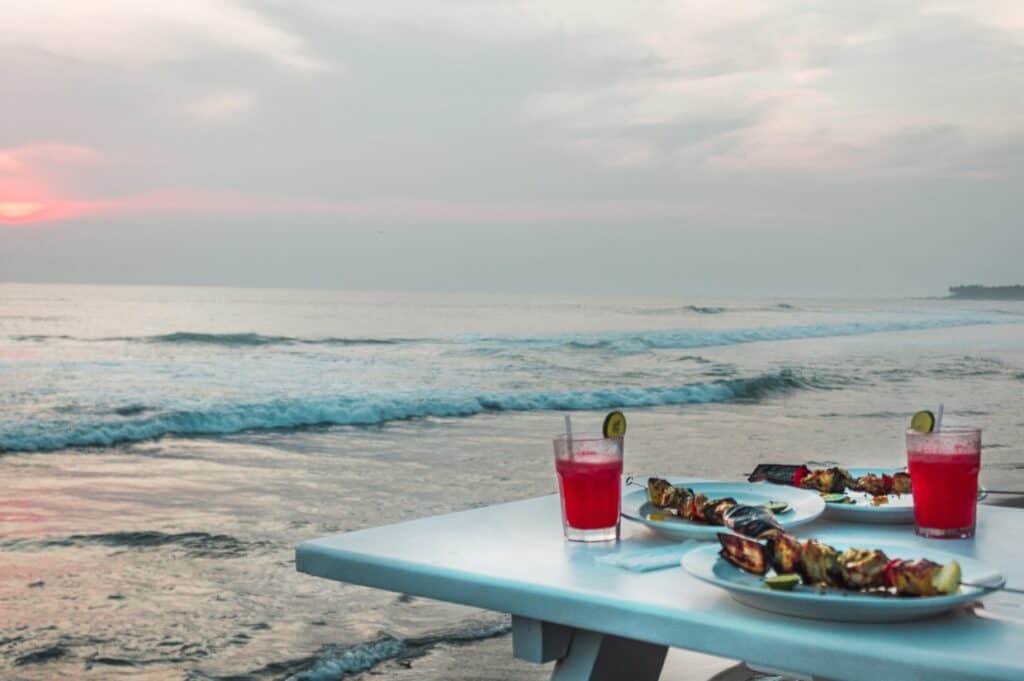
Beaches present conditions like direct sun, shifting wind and limited storage space, which call for foods that stay safe and intact without refrigeration or reheating. Cold wraps, dense fruits like apples and grapes and grain-based salads with durable ingredients travel well and maintain texture and flavor throughout the day.
Shelf-stable drinks, cut vegetables and salty snacks add variety without complicating storage or cleanup. These options suit the pace and layout of beach settings, where sit-down meals often give way to casual snacking.
Rooftops and decks deliver
Outdoor dining continues to draw strong interest, with restaurants using open-air seating to offer more than just meals. In Seattle, Terra Plata runs a year-round rooftop garden designed for airflow and weather protection. The space features overhead heaters and has blankets on request, making it a reliable option even in winter. Its menu features a range of seasonal dishes, from vegetables and seafood to wines, meat and cocktails.
In Austin, The Oasis on Lake Travis spans three outdoor decks with wide views of the lake. Guests can stop in for lunch, dinner or small plates and stay for the sunset. The kitchen serves chef-prepared dishes alongside a full list of cocktails, including the house favorite, Perfect Margarita. While indoor seating is also available, their outdoor decks remain the focal point.
These restaurants demonstrate how outdoor spaces shape dining experiences. On National Eat Outside Day, settings like rooftops and waterfront decks reinforce the idea that food served in fresh air leaves a lasting impression.
Smart steps before heading out
Preparation plays a key role in keeping outdoor meals organized and stress-free. For backyard grilling, complete tasks like marinating proteins, chopping vegetables and packing ingredients in clear containers ahead of time. Use a cooler with frozen water bottles and set up a prep area to avoid repeated trips inside.
Picnics benefit from the same structure. Sealable containers, separate dressings and foods that hold up without refrigeration mean less clutter and waste. For beach setups, sand-proof containers, insulated cooler bags and shade from umbrellas or tents keep food and people comfortable. A water-resistant blanket or foldable chairs can help define the space.
Outdoor dining at restaurants also calls for planning. Make reservations when possible, especially for patios or rooftops and check store hours, menu options and weather before heading out. Local listings can help identify outdoor-friendly spots in high-traffic areas.
Shared meals find a new space
National Eat Outside Day encourages intentional outdoor meals, turning casual plans into shared experiences. Families often plan menus that suit a range of ages and dietary needs, while groups of friends may use the day to visit new restaurants or explore unfamiliar dishes. Potlucks let multiple households contribute without burdening one host. Open-air setups in backyards, parks or other public spaces keep gatherings informal but focused.
The day also prompts people to follow through on long-postponed plans. Taking photos or sharing favorite dishes can turn routine gatherings into lasting memories. With thoughtful planning and open settings, National Eat Outside Day fosters connections through food and place.
Make the gathering count
National Eat Outside Day shows how setting shapes the way people experience food. It shifts the focus from what is served to how and where meals are shared, making everyday eating more intentional. Whether grilling at home, meeting friends at a restaurant or packing food for the beach, eating outdoors adds context for more memorable moments. In a season often marked by pace and noise, this day offers a reason to pause and let food bring people together.
Jennifer Allen is a retired professional chef and long-time writer. Her work appears in dozens of publications, including MSN, Yahoo, The Washington Post and The Seattle Times. These days, she’s busy in the kitchen developing recipes and traveling the world, and you can find all her best creations at Cook What You Love.