
“Eatertainment” is the next big draw for urban diners, with 52% of consumers planning to maintain or increase their visits to barcades and themed restaurants this year. Restaurants now pair meals with games, themed decor and group-friendly spaces that keep guests on site longer and encourage them to share the experience online. For many city diners, the combination of food and entertainment is a key factor in deciding where to spend their leisure time.
This post may contain affiliate link(s). As an Amazon Associate, I earn from qualifying purchases. See Disclosures.
For operators, the model boosts revenue by encouraging longer visits and repeat business in competitive city markets. The setup also allows one location to operate as both a restaurant and an entertainment venue, making every square foot work harder.
Dining meets entertainment spaces
Interactive dining takes a new turn as restaurants pair meals with games, sports and performance. The idea of combining food and fun isn’t new. Pioneers like Chuck E. Cheese and Dave & Buster’s paved the way decades ago, but the latest generation of venues has brought the concept back into the spotlight.
Behind the scenes, operators redesign kitchens to keep service quick without taking up too much space or relying on large staffs. Smaller, more efficient setups allow them to serve high volumes while keeping the focus on activity.
Interactive settings, from digital projections to themed interiors, extend the visit by keeping guests engaged long after the meal arrives. The result is a dining experience that’s as much about play as it is about food.
Core elements of eatertainment
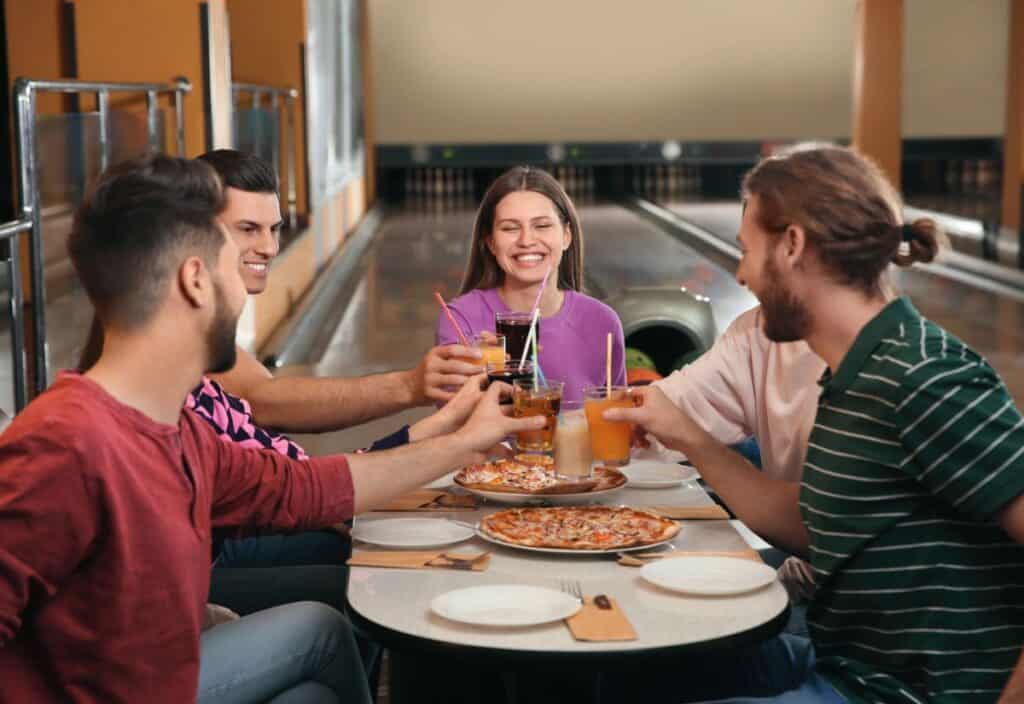
In today’s dining scene, eatertainment depends on how well food and activity work together. Bowling alleys, ping pong halls, pickleball courts and mini-golf setups now double as restaurants with menus designed to match the pace of play. Guests can order cocktails and chef-prepared dishes without stepping away from the action, blurring the line between dining room and game floor.
Barcades have become a standout, with vintage pinball machines and arcade classics drawing crowds alongside drinks and casual eats. A recent survey found that 38% of consumers would visit barcades more often if they had one nearby, demonstrating the lasting appeal of nostalgia paired with nightlife.
Beyond games, design has become part of the meal. Themed pop-ups and interactive performances add spectacle, while tech systems streamline play and make it easier to share online. Together, these elements turn dining venues into entertainment hubs that keep guests engaged longer and bring them back for repeat visits.
Restaurants built for fun
Dinner out no longer stops at the table when restaurants add entertainment that keeps guests engaged. Pinstripes pairs bowling and bocce with an Italian-American menu, a full bar and spaces designed for small gatherings and larger events. Topgolf takes the driving range further by combining food and drinks with play, making it just as enjoyable for casual visitors as it is for experienced golfers.
Family-focused concepts add another dimension. John’s Incredible Pizza Company offers a buffet of pizza, pasta and desserts alongside arcade games and rides, creating an outing that appeals to both kids and adults. These venues encourage guests to stay longer and treat dining as part of a larger outing.
Revenue drivers for operators
The appeal of eatertainment lies not only in the guest experience but also in the revenue it generates. Restaurants with arcade cabinets, coin-operated pinball or paid access to game zones create an additional stream of income on top of food and drink sales. For operators, one space does double duty, serving meals while also acting as a mini entertainment hub.
That combination gives these venues an edge in crowded city markets. By offering more than a menu, they become destinations rather than just places to eat. Pairing dining with activity has become a defining trait, setting them apart in an industry where many competitors rely solely on the kitchen.
Why is it becoming popular?
Part of eatertainment’s growth comes from groups staying longer through food and activities. Guests are choosing venues where meals and games happen side by side, giving them the chance to share food, have fun and extend their time together.
Social media is also fueling the trend. Diners fill TikTok and Instagram feeds with posts featuring not just what they ate but how the entire setting looked and felt, from the games to the decor. Influencers may drive attention, but even casual posts from everyday visitors spread quickly, creating a trend that keeps the seats full.
A new dining standard
Eatertainment has shifted from gimmick to fixture in the dining scene. By pairing meals with activities, design and social elements, these venues give guests more reasons to stay and return. Diners now seek out places where eating and entertainment connect, while operators use the model to stay competitive in crowded markets. With demand for dynamic outings on the rise, eatertainment will play an even bigger role in how cities dine and gather.
Jennifer Allen is a retired professional chef and long-time writer. Her work appears in dozens of publications, including MSN, Yahoo, The Washington Post and The Seattle Times. These days, she’s busy in the kitchen developing recipes and traveling the world, and you can find all her best creations at Cook What You Love.