
Eating healthy is often thought of as expensive, time-consuming or reserved for those with specialty grocery stores and unlimited food budgets. These beliefs have become so common that many people assume nutritious meals and financial responsibility cannot coexist. In reality, eating well does not require premium products, trendy superfoods or a dramatically higher grocery bill.

This post may contain affiliate link(s). As an Amazon Associate, I earn from qualifying purchases. See Disclosures.
Healthy eating on a budget is less about restriction and more about intention. When meals are planned, purchases are made with purpose and food is prepared with efficiency in mind, costs naturally decrease. At the same time, the overall quality of meals often improves.
Rethink what healthy eating looks like on a budget
One reason eating well is often viewed as expensive is that it is frequently associated with specialty products, premium branding or trend-driven food categories. Many shoppers assume that improving food choices requires buying items that are labeled, packaged or marketed in a certain way, which can quickly increase grocery costs.
In practice, many everyday grocery items are already versatile, affordable and widely available without being positioned as premium products. Staples that have long been used in home cooking tend to be less expensive per serving and easier to incorporate into regular meals than highly marketed convenience foods. These items are also typically sold in larger quantities, making them easier to plan around and budget for.
Food marketing can significantly influence purchasing decisions. Labels such as organic, gluten-free, high protein or plant-based often carry higher price points, even when similar unbranded options are available. Budget-friendly eating does not require buying into every food trend or label category. It simply involves selecting ingredients that fit personal preferences, cooking habits and budget constraints.
Budget-friendly eating starts with planning
Easy meal planning is one of the most effective tools for reducing food costs while improving meal quality. Without a plan, it is easy to overbuy items that go unused, rely on last-minute takeout or default to convenience foods that cost more over time.
Planning meals ahead allows for smarter purchasing decisions. When meals are built around ingredients that overlap, fewer items are needed overall. A single protein, for example, can be used in several different meals across the week, reducing waste and stretching the grocery budget further.
Planning also creates structure. Knowing what meals are coming up makes it easier to shop intentionally, cook efficiently and avoid impulse purchases that add unnecessary expense.
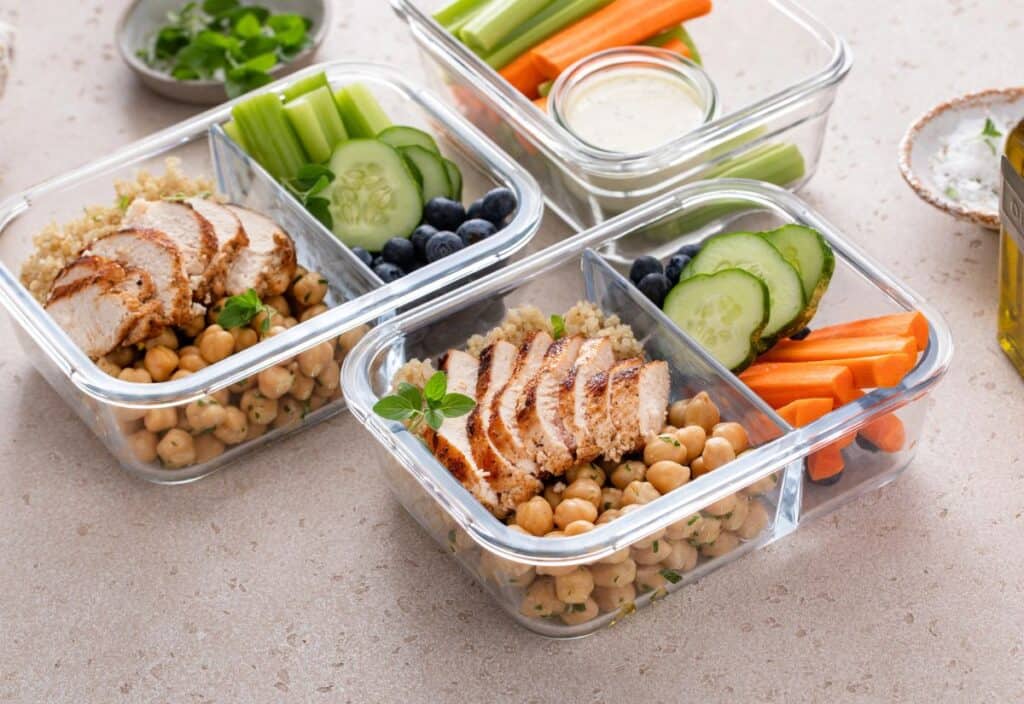
Meal prepping as a cost-saving strategy
Cooking in batches saves both time and money, especially when ingredients are purchased in larger quantities. Preparing staple components in advance, such as roasted vegetables or proteins, allows meals to be assembled quickly throughout the week. This approach reduces the likelihood of relying on expensive convenience foods when time is limited.
Meal prepping also improves portion awareness. When meals are planned and prepared intentionally, ingredients are used more efficiently and leftovers are less likely to be forgotten or discarded. Over time, this alone can significantly reduce grocery spending.
Shop for meat sales and use protein strategically
Protein is often one of the most expensive parts of a grocery bill, but it is also one of the easiest areas to save money with smart shopping habits. Watching weekly sales, buying family packs and freezing portions for later use can dramatically lower costs.
Many grocery stores rotate sales on different cuts of meat each week. Planning meals around what is currently discounted rather than shopping based on fixed preferences allows for flexibility and savings. Less expensive cuts can also be used effectively when cooked properly, particularly in slow-cooked or one-pot meals.
Incorporating a variety of protein sources can further reduce costs. Using protein as part of a balanced meal rather than the sole focus helps stretch more expensive items across multiple servings.
Buy in bulk without overspending
Buying in bulk is often associated with warehouse stores, but it can be done strategically at any grocery store. Bulk purchasing works best for items that are shelf stable or freezable, such as grains, dried beans, frozen vegetables and proteins.
The key to successful bulk buying is intention. Purchasing large quantities only makes sense when there is a plan to use the items before they spoil. Buying in bulk is especially key to planning when eating a special diet. For example, Costco is a great place to buy keto foods in bulk to save money.
Freezers play a critical role in bulk buying. Freezing portions of meals allows shoppers to take advantage of lower prices without sacrificing freshness or quality.
Choose seasonal and local produce
Produce prices fluctuate throughout the year based on availability. Buying fruits and vegetables that are in season often results in lower prices and better quality. Seasonal produce tends to be fresher, more flavorful and less expensive because it requires less transportation and storage.
Local markets, when available, can also offer affordable options, particularly for produce that is abundant in the region. Even within traditional grocery stores, choosing seasonal items helps keep costs down while adding variety to meals.
Frozen vegetables are another budget-friendly option. They often have a long shelf life and are usually less expensive than fresh produce, especially when certain items are out of season.

Cook at home
Cooking at home is one of the most reliable ways to control food costs, yet many people believe it requires advanced cooking skills or a significant amount of time. In reality, simple cooking methods and basic recipes are often the most effective.
One pan meals, slow cooker recipes and sheet pan dinners allow for minimal preparation and cleanup. These methods make use of affordable ingredients and reduce the need for specialty tools or complicated techniques.
Learning a handful of basic cooking skills, such as roasting vegetables and seasoning proteins, provides the foundation for countless meals. Over time, confidence in the kitchen grows and reliance on packaged foods decreases naturally.
Reduce food waste to save money
Food waste is one of the most overlooked contributors to high grocery bills. Uneaten leftovers, spoiled produce and forgotten pantry items all add up financially. Reducing waste is not only practical but also aligns with a more sustainable approach to eating.
Storing food properly, labeling leftovers and keeping an inventory of pantry and freezer items help ensure that food is used before it expires. Repurposing leftovers into new meals also extends their value. For example, roasted vegetables can be added to soups, salads or grain bowls later in the week.
The same cost-conscious mindset can extend beyond the kitchen. Many households find that making simple personal care items at home, such as basic soaps or scrubs, helps reduce recurring expenses and packaging waste.
Healthy eating does not require a higher grocery bill
Eating healthy on a budget is not only possible, but it is also often simpler than expected. By focusing on whole foods, planning meals ahead, shopping strategically and reducing waste, grocery costs can decrease while meal quality improves.
The most effective changes are often the least complicated. Cooking at home, buying with intention and prioritizing simple ingredients create a strong foundation for nourishing meals that fit within nearly any budget.
Disclaimer: These statements have not been evaluated by the Food and Drug Administration. The contents of this article, made available via Food Drink Life, are for informational purposes only and do not constitute medical advice. The Content presented here is not intended to be a substitute for professional medical advice, diagnosis, or treatment. Always seek the advice of a qualified healthcare provider with any questions you may have regarding a medical condition or dietary changes. Reliance on any information provided by this article is solely at your own risk.