
For Europe’s 2026 travel season, exhaustion is shaping how people plan their trips. A recent Skyscanner consumer survey found that 32% of travelers experienced negative effects from overtourism, while 34% said they are actively seeking quieter destinations. Instead of chasing peak-season hotspots, more travelers are pursuing less crowded destinations, slower itineraries and off-peak timing.
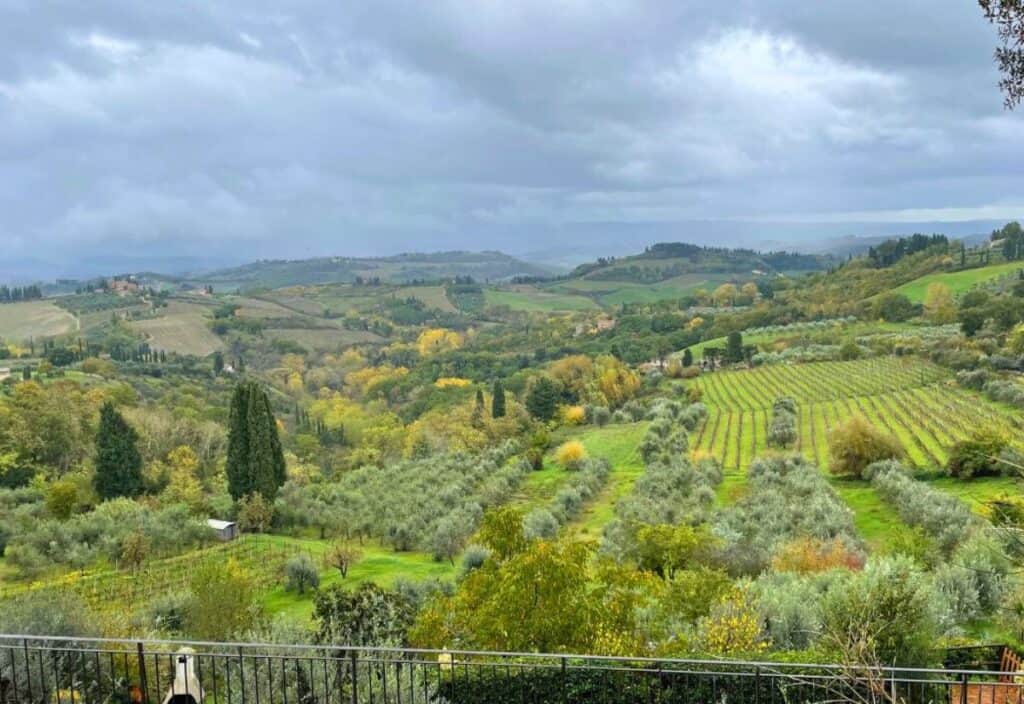
The quiet travel trend leaves room for people-watching at cafes, spontaneous swims and evenings that don’t revolve around reservations. The European Travel Commission reports a similar change, noting 28% of travelers across Europe plan to take trips in different months over the next two years, primarily to avoid crowds.
Travelers choose quieter places in Europe for 2026
Europe’s classic icons still draw crowds. Paris, Venice, London and Barcelona remain packed during peak months. In many destinations, the busy season now stretches well into spring and fall. For 2026, more travelers say the trade-off no longer feels worth it.
Many people now travel to feel better, not just to see more. Hilton’s global travel research shows rest ranks as the top motivation for leisure travel in 2026, cited by 56% of respondents. Time in nature follows closely, with 37% saying they seek outdoor settings for peace, while 36% prioritize mental health benefits while traveling.
That mindset reshapes how trips take form. It influences where travelers go, how fast they move and even when they choose to be out exploring. Hilton’s most-searched destinations from 2024 through 2025 reinforce that shift, with places associated with relaxation and escape, including Cancun, Honolulu, Bali and the Maldives, ranking among the top searches.
Within Europe, the same preference for calm increasingly guides travelers toward smaller cities, rural regions and slower-paced itineraries. Instead of hopping between headline attractions, more travelers are choosing places that support longer stays and quieter days.
Burnout from crowds, noise and checklist trips
Packed itineraries increasingly turn holidays into project plans. Timed-entry tickets, advance dining reservations and tightly scheduled day trips leave little room for flexibility, especially when a single delay can derail an entire day.
As cited by the European Travel Commission, crowds add another layer of strain. When famous viewpoints come with queues and even side streets feel busy, travelers have fewer chances to slow down. In response, many are simplifying their trips by choosing fewer stops and staying longer in each place, often four to seven nights, allowing time to explore without urgency.
Nature, slow living and wellness are driving choices
Quiet travel aligns with habits that help travelers feel steady. Long walks, open-water swims, sauna visits and evenings that end earlier replace tightly packed schedules. The appeal is less about luxury and more about a pace that allows the body and mind to settle.
Nature-first destinations make that rhythm easier to maintain. Forest trails, coastal paths and lakeside routes rarely require reservations and are at their best when explored slowly. Across Europe, large-scale conservation efforts increasingly shape where and how people travel.
Rewilding Europe, a continent-wide initiative focused on restoring natural landscapes, supports protected areas in regions such as the Apennines in Italy, Croatia’s Velebit mountains and parts of the Carpathians, where low-impact tourism centers on hiking, wildlife watching and small-group guided experiences.
Plan a quieter European experience
Quiet trips are planned, not accidental. From travel dates to daily pacing, the best itineraries treat space and flexibility as priorities, not leftovers. This shift in European travel rewards travelers who plan for breathing room as deliberately as they plan for sights.
Timing and pacing shape quieter trips
Travelers seeking calmer experiences increasingly plan trips during shoulder months, when the weather remains favorable and cities feel more local. Spring, from April through May, and early fall, from September through October, often offer that balance, while peak summer weeks continue to concentrate visitors in the same places.
Daily timing matters as well. Well-known viewpoints and landmarks early in the morning can feel markedly different from the same locations later in the day, before crowds start to build.
Pacing often makes the biggest difference. For trips lasting seven to 10 days, many travelers now choose two base locations rather than four, reducing transit days and logistical stress. Leaving at least one afternoon unplanned helps prevent the trip from becoming a checklist and allows space for rest or spontaneous exploration.
Choose stays and routes that reduce stress
Where travelers stay often sets the tone for the trip. Smaller inns, guesthouses and apartments in residential neighborhoods tend to be quieter than large hotels, reducing exposure to tour groups and busy lobbies, making rest easier.
Car-free and compact city centers lower daily friction by removing parking and traffic concerns. Trains and short ferry crossings often provide an easier alternative to flights or long drives, while simple road trips can open access to inland towns that day-trippers overlook.
Solo travel becomes part of the quiet travel trend
For some travelers, quiet comes from traveling alone, even briefly. Hilton’s research shows that 26% of travelers plan to take a solo trip in 2026, while 48% say they are adding solo days before or after family trips. Even within group travel, 28% plan to build in quiet time on their own, whether that means dining alone or stepping away from shared schedules.
A quieter way to experience Europe
Europe’s 2026 travel season is trending quieter for a clear reason. Many travelers want trips that feel good while they are happening, not just afterward. Calm does not mean dull. It often leads to better meals, longer walks, deeper sleep and conversations that aren’t rushed.
That shift marks a broader change in how people measure a successful trip. Instead of counting attractions, travelers increasingly value how a place lets them move, pause and rest. Planning advice follows naturally from that mindset. Choose one region, stay longer and leave room in a five- to seven-day itinerary for wandering rather than rushing.
Jessy Hamel is a syndicated travel writer and the creator of Tartan & Teacups, a travel site that inspires women to stop waiting and start traveling. She covers destinations across the United Kingdom and Europe, with a focus on Scotland, Ireland, Italy and Portugal.