
Fall used to be the season travelers counted on for a break, the period when crowds thinned and hotel rates followed. This year, that deal is harder to find in the destinations some people want to visit, with lodging in top U.S. fall markets now running higher than in summer. The savings still exist, but they have moved to fewer places.
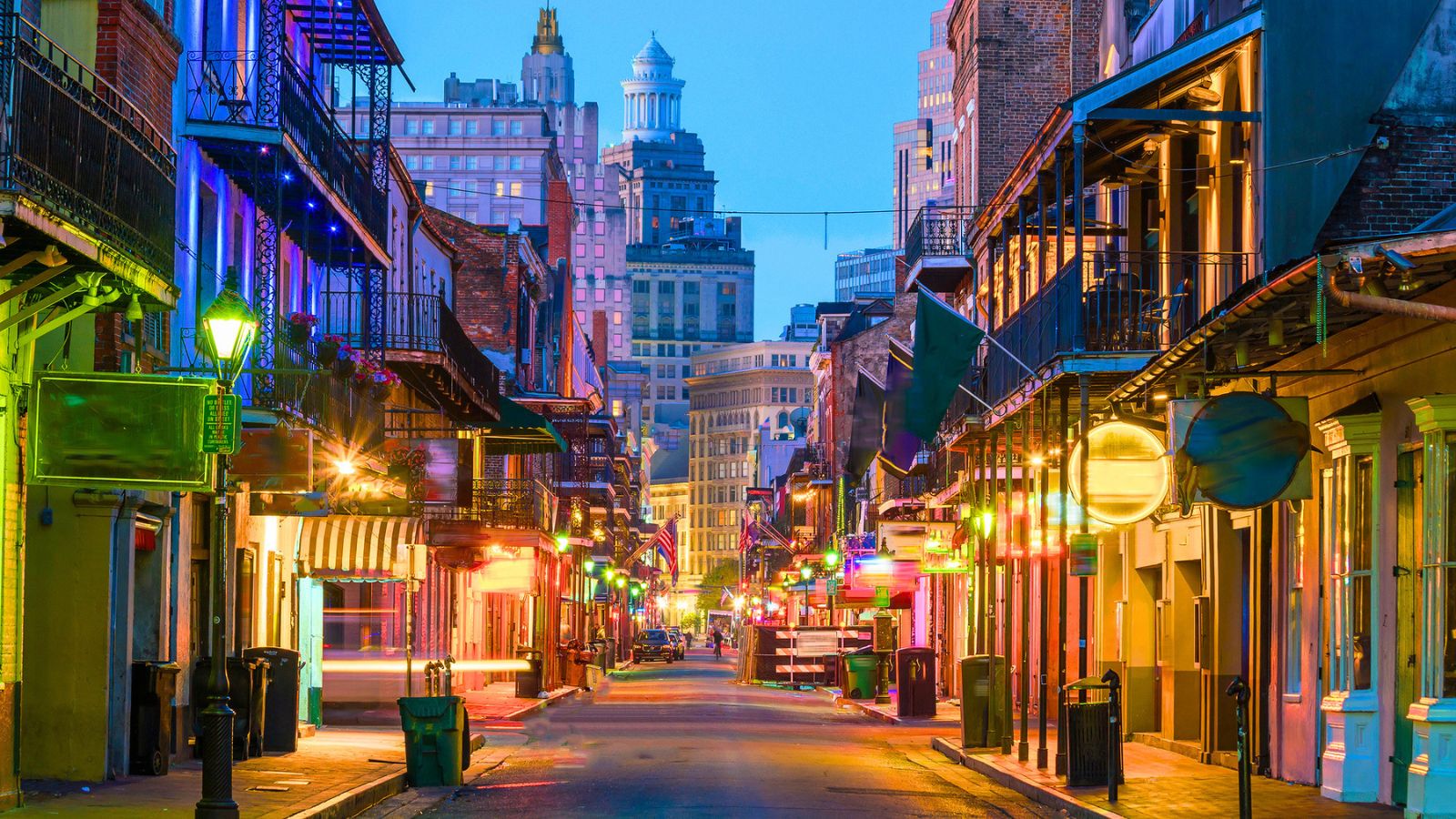
New Orleans and Nashville are two fall destinations where hotel rates have climbed above summer levels, and both are priced accordingly. The question isn’t whether the fall premium exists, but which destinations still offer an alternative, and what travelers get at each end of the price range this fall.
Fall lodging is outpacing summer
A recent analysis of the top 10 U.S. destinations found lodging costs averaging 20% higher than in summer. Airfare to those same destinations runs only 2% above summer prices, which means the fall premium is largely a hotel story, not a flight one.
The shoulder season is harder to find this year, but the data point to a small group of destinations where prices have not followed the broader trend. Those include select Gulf Coast beach destinations and mountain getaways that are still trading below summer levels.
New Orleans runs a full fall calendar at a premium price
New Orleans builds one of the fuller fall calendars of any city in the South. Its fall festival lineup runs through the season and includes the New Orleans Film Festival, the Crescent City Blues and BBQ Festival and the Oak Street Po-Boy Festival. The calendar also includes the Tremé Creole Gumbo Festival and LUNA Fête, a citywide light installation that runs across multiple nights.
The fall events calendar fills most weekends from September through November, and the city’s tourism materials position fall as one of the year’s more active periods. Travelers paying the lodging premium that top destinations are running this fall are buying access to one of the city’s most event-dense seasons.
Nashville charges the premium and delivers the programming
Nashville’s fall calendar features the CMA Awards, country music’s premier annual awards show, and extends from there across multiple genres and venues. The Grand Ole Opry runs its regular schedule of country legends and newer artists well into the season, and Americanafest brings roots music artists to venues across the city each fall. Nashville Sunday Night, a weekly concert series at 3rd and Lindsley that has run for more than 20 years, brings national and local acts to the stage every Sunday.
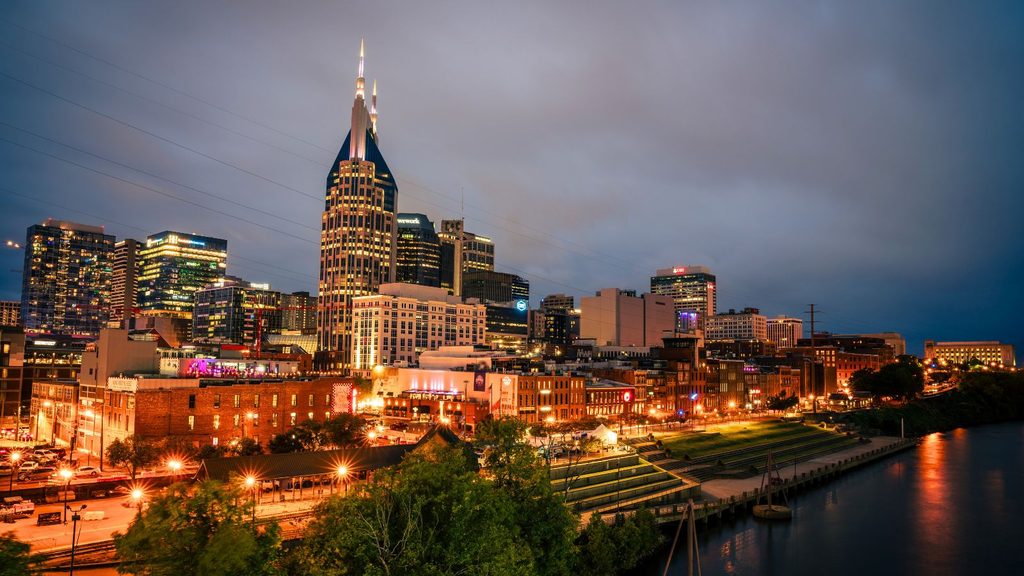
The Southern Festival of Books brings more than 200 authors to Bicentennial Capitol Mall State Park each October for panels and author signings, with activities for kids throughout the weekend. The honky-tonk strip on Broadway and Centennial Park fill out the rest of the fall calendar. The programming is substantial, and so is the premium.
Fort Walton Beach is where the fall discount still exists
Fort Walton Beach is where the fall price break that most destinations no longer offer actually shows up. A recent analysis puts combined lodging and flight savings at 30% in fall compared to summer, placing it among the small group of destinations the data identifies as still trading below summer price levels. That 30% figure covers both hotel and airfare combined, and in a market where lodging drives most of the fall cost increase at other destinations, the hotel savings at Fort Walton Beach are the more meaningful part of that number.
The Destin Fishing Rodeo, a month-long fall competition dating to 1948, draws anglers and spectators to the Gulf Coast for the duration of the event. Daily weigh-ins at the docks are free and open to the public. The Destin-Fort Walton Beach tourism site promotes the area’s white-sand beaches and emerald water as draws that hold through fall, with warm Gulf weather extending the beach season well past summer.
Flights are nearly flat, but hotel bills are not
Because fall airfare is running nearly flat across the top U.S. fall markets, the cost difference between a trip to Nashville and a trip to Fort Walton Beach shows up almost entirely in the hotel bill. A traveler comparing the two is not comparing flight prices. For a multi-night fall trip, the difference in hotel rates can add up considerably.
Where the fall deal actually is
The shoulder season isn’t gone, but travelers can no longer assume it. What the season once offered broadly now delivers selectively, concentrated in destinations that haven’t yet built fall into their peak pricing. Finding the fall deal now takes the kind of destination-specific research that used to be reserved for summer travel.
Jennifer Allen is a retired chef turned traveler, cookbook author and nationally syndicated journalist; she’s also a co-founder of Food Drink Life, where she shares expert travel tips, cruise insights and luxury destination guides. A recognized cruise expert with a deep passion for high-end experiences and off-the-beaten-path destinations, Jennifer explores the world with curiosity, depth and a storyteller’s perspective. Her articles are regularly featured on the Associated Press Wire, The Washington Post, Seattle Times, MSN and more.