
A lot of what feels like farmers market etiquette is actually the law. That “no dogs” sign at the entrance isn’t some vendor being extra, and the payment system at the info booth runs on federal rules, not whatever a stall owner feels like doing. National Farmers Market Week is the perfect excuse to finally learn which rules are real and which ones are just vibes.
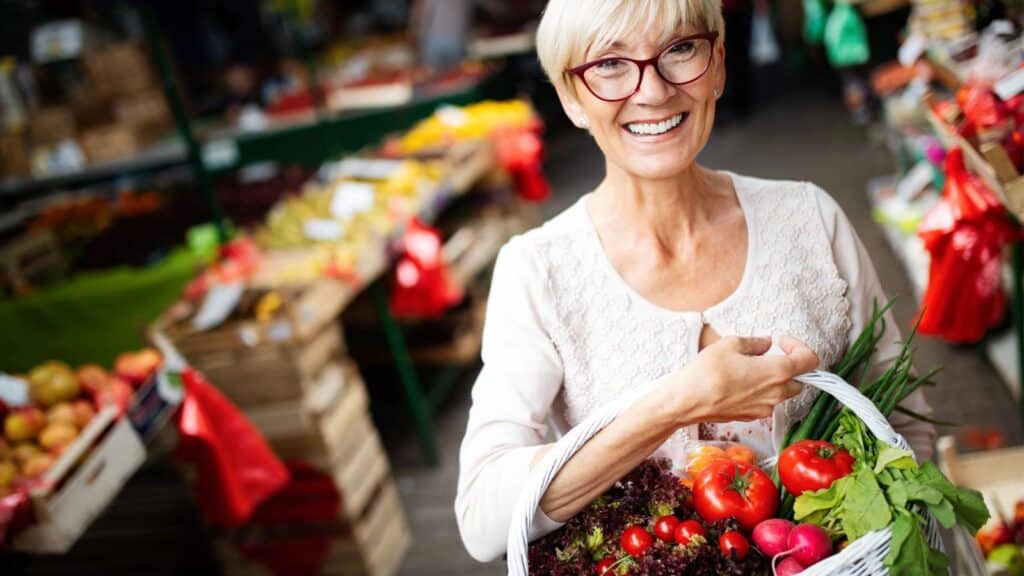
Running Aug. 2-8, National Farmers Market Week exists as much to explain markets as it does to celebrate them. Most regulars learn the difference between food-safety law and plain house habit through trial and error, usually after a gentle correction from a market volunteer.
The market feels like the lowest-stakes errand of the weekend, folding tables, hand-lettered signs, a vendor waving people over for a taste. That casual vibe is exactly why real rules blend right in with the ones that are just custom.
USDA counted 8,771 farmers markets the last time it published a national count, up from fewer than 2,000 three decades ago. Growth has since slowed to under 1% a year, meaning today’s markets are less about new locations and more about handling the crowds already there. That’s why a market that used to run on a cash box now needs actual rules.
Dogs aren’t banned for no reason
California bars any live animal within 20 feet of food at a certified farmers market, service dogs excluded, under state law. Minnesota does something similar through its own food code, banning animals from food establishment premises altogether.
A market manager stopping a dog at the gate isn’t being fussy. They’re following food-safety rules.
The payment system runs deeper than cash or card
Plenty of shoppers assume a farmers market runs on cash, or scramble for a vendor who takes a card. Neither fully holds up anymore.
The USDA runs a national system letting shoppers use benefits from the Supplemental Nutrition Assistance Program, or SNAP, at an info booth, often trading them for tokens vendors redeem later. Some markets even double what a SNAP shopper can spend.
Sampling has an unwritten limit
This one really is just etiquette, no law behind it. A taste of cheese or a slice of peach is basically an invitation to buy.
Circling back for a fourth sample, or working the table like a buffet, tells a vendor pretty clearly there’s no plan to purchase anything. Nobody says it out loud. They just remember the face.
Bring a bag just in case
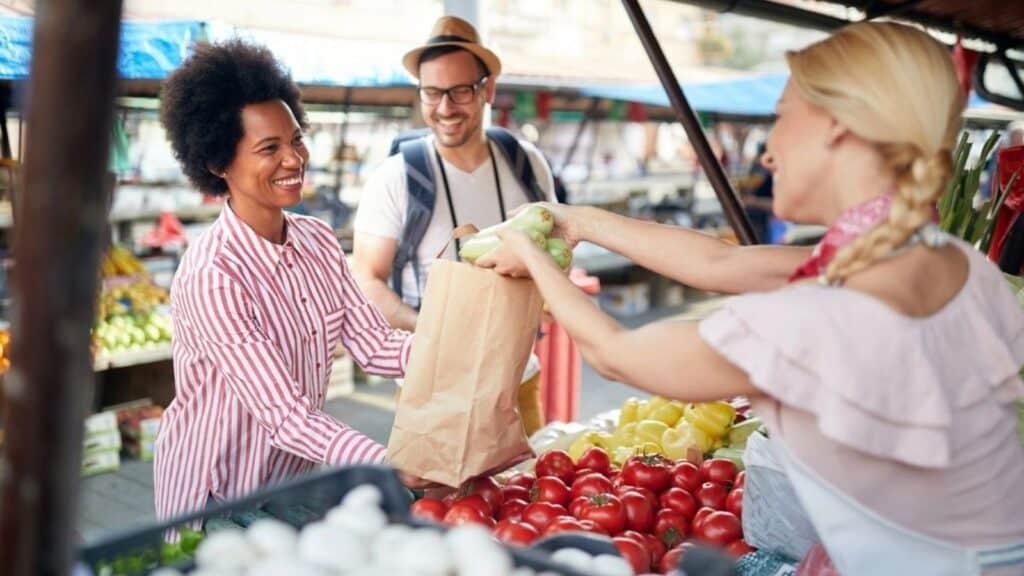
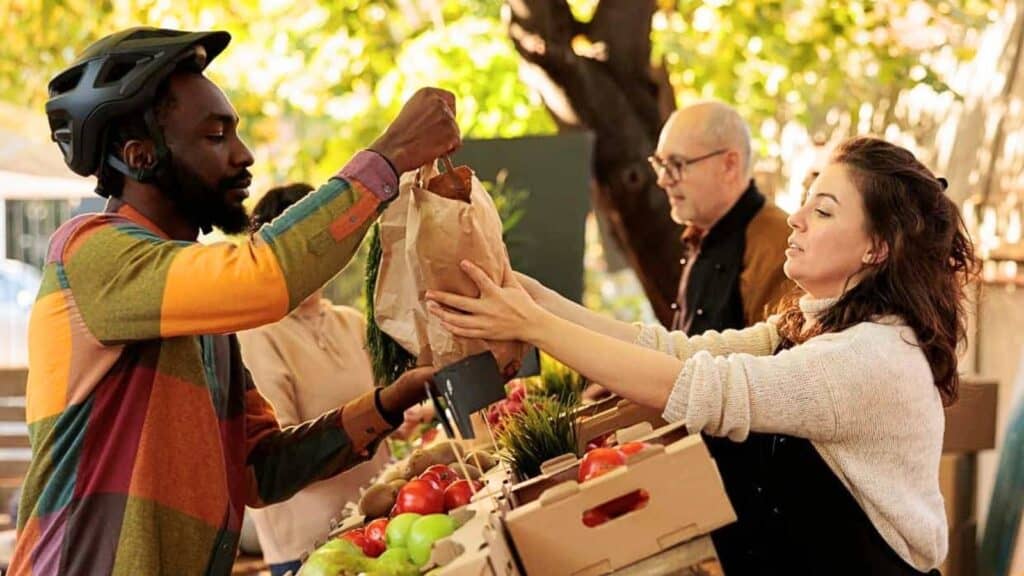
Bag habits are all over the place depending on the market. Some vendors just hand over a paper sack.
Smaller growers running a single folding table often don’t stock bags and expect shoppers to bring their own, especially as more states crack down on single-use plastic. Forgetting one won’t break any rule. It just means carrying produce back to the car by hand.
Knowing the difference is basically what separates a regular from a first-timer. It’s not about memorizing a rulebook before the next trip.
A little awareness goes a long way, and everything else gets picked up naturally, one friendly correction at a time.
Jennifer Allen is a retired professional chef and long-time writer. Her work appears in dozens of publications, including MSN, Yahoo, The Washington Post and The Seattle Times. These days, she’s busy in the kitchen developing recipes and traveling the world, and you can find all her best creations at Cook What You Love.