
Farmers markets reopen across the country, and shoppers arrive with empty bags, ready to build the week’s meals around what looks best. Spring tables are still limited, but the first bunches of tender greens and crisp radishes can reset dinner plans before people make it home. Those early visits are less about variety and more about momentum, a change that carries through the next few days of cooking.
This post may contain affiliate link(s). As an Amazon Associate, I earn from qualifying purchases. See Disclosures.
A survey by the University of Wisconsin-Madison and the Farmers Market Coalition found that 80% of Americans visit a farmers market at least once a year, placing the spring reopening season in a broader national context. The return of shopper traffic matters to farmers selling directly to consumers and to communities that benefit when people spend money in the area.
Reopening season matters
Spring reopening season extends beyond individual purchases. The U.S. Department of Agriculture said it awarded more than $26.8 million through the Local Agriculture Market Program to expand producer-to-consumer marketing and local food markets.
Farmers markets offer more than a simple produce run, with research showing that market attendance provides benefits such as healthier eating and increased local business activity, which means a visit can influence weekly food buying and support nearby communities. For many Americans, this becomes part of a seasonal routine that begins when local produce starts coming in.
Early produce brings shoppers back
Consumer research tied to FMI’s Power of Produce found that 53% of shoppers said seeing in-season items can prompt an unplanned purchase of produce. At reopening, the first local crops often become the extra item that changes dinner plans before shoppers get home.
Early spring produce is often the main reason shoppers return when markets reopen. USDA’s seasonal produce guide lists items commonly available in spring, including herbs, lettuce, peas, spinach, Swiss chard and turnips, while noting that availability varies by growing conditions and weather. Spring may not offer the widest selection, but the first greens or strawberries can still make a visit worthwhile.
Meals start at the stand
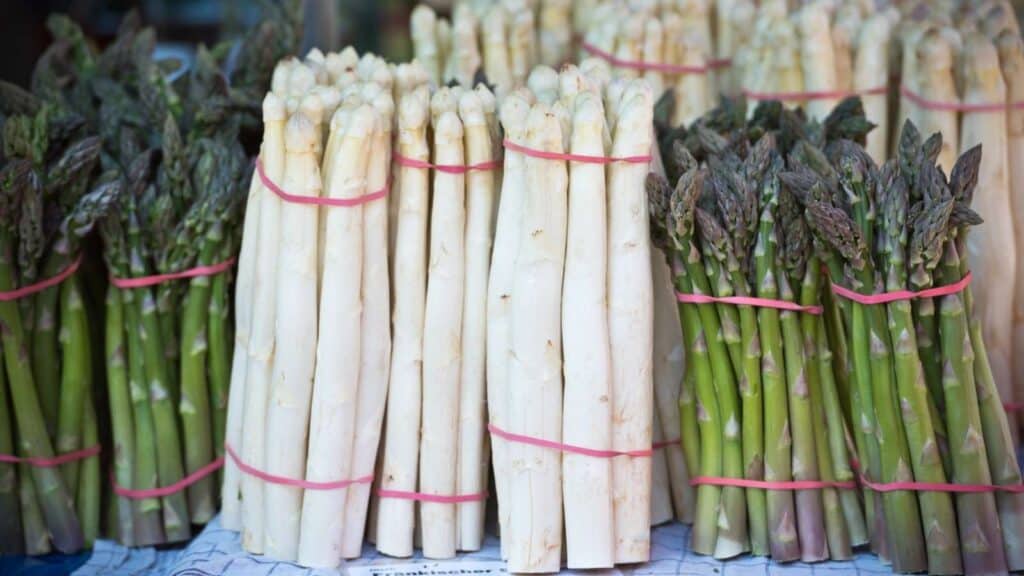
Michigan State’s 2025 seasonal-eating guide says that spring brings asparagus, snap peas, rhubarb and radishes, with dishes such as roasted asparagus and pickled spring vegetables offered as practical uses. Early market shopping often works this way: shoppers start with a small group of in-season items, then plan a few meals around those purchases instead of arriving with a full menu already decided.
A spring haul can make meal planning easier without much advance work. Tender greens and herbs work in salads, peas go into pasta or rice dishes and rhubarb can be saved for breakfast or dessert later in the week. Even a modest purchase can keep fresh ingredients in use for lunches and dinners over the next few days.
Spring market trips take planning
Reopening season requires more planning than a midsummer visit, as schedules, product availability and vendor participation can still vary from week to week. USDA’s Local Food Directories include locations, directions, operating times, product offerings and accepted forms of payment, giving shoppers useful information before they leave home.
A quick directory check can help households line up a visit with the produce they want for the week. This matters most in early spring, when shoppers may look for specific items and plan a few meals around them.
Farmers markets start spring meal planning
What comes next for shoppers is a season of smaller, more flexible purchases, with each visit guiding what gets cooked in the days ahead. As farmers market tables change and more local produce arrives, households that stay flexible will have the easiest time turning a modest haul into several meals.
Zuzana Paar is the creator of Sustainable Life Ideas, a lifestyle blog dedicated to simple, intentional and eco-friendly living. With a global perspective shaped by years abroad, she shares everyday tips, thoughtful routines and creative ways to live more sustainably, without the overwhelm.