
Beef prices have reached record highs ahead of this year’s Father’s Day backyard cookout celebration. Prices have climbed heading into summer, driven by the smallest U.S. cattle herd in 75 years and consumer demand that remains strong. The good news is that the cuts worth knowing this Sunday cost significantly less than a ribeye and cook just as well over fire.
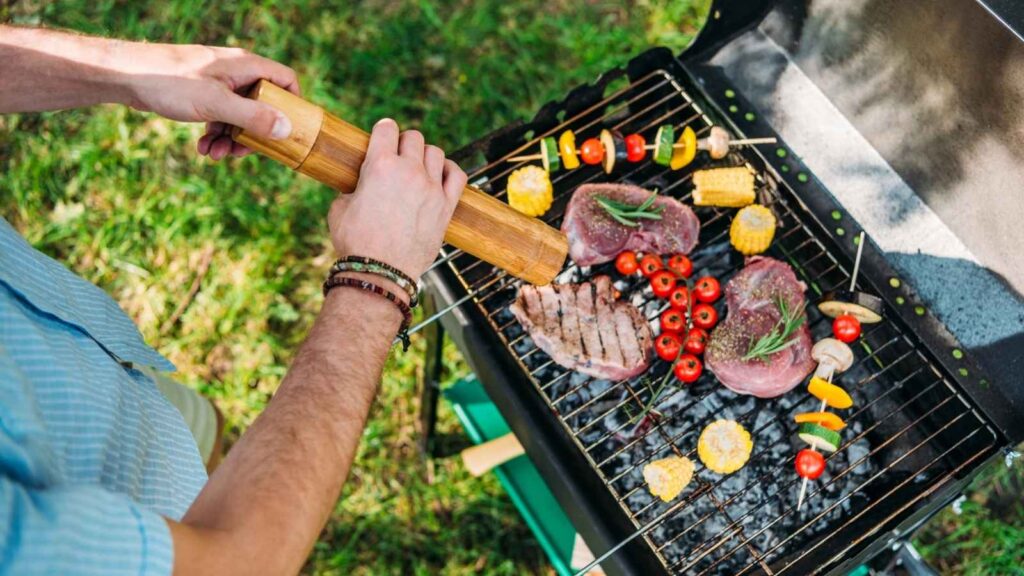
All-fresh beef hit a record high at $9.64 per pound in April 2026, up 13% from the same month last year, with the national average for uncooked steaks at $12.80 per pound as of May 2026. Grillers aren’t abandoning beef; they’re moving to cuts that cost less and cook just as well over fire: flank, sirloin, flatiron and tri-tip.
Flank steak earns its place
Flank is a long, lean cut from the cow’s abdominal muscles, known for its pronounced grain and deep beef flavor. It’s also one of the cuts most rewarded by an acid-forward marinade, and the reason is structural.
The long muscle fibers that give the flank its characteristic chew are highly receptive to acid. Citrus juice, red wine vinegar or a splash of soy breaks down the surface of those fibers and opens them to seasoning in a way a thicker, fattier cut doesn’t need. A few hours is enough, but overnight is better.
On the grill, flank wants high, direct heat and a short cook. Four to five minutes per side gets you to medium rare on most cuts. The step that makes or breaks it comes after. Rest it off the heat for at least five minutes, then slice firmly against the grain. That cross-cut shortens the long fibers so each bite reads as tender, not tough. Skip it, and the same piece of meat delivers a completely different result.
Flatiron is the cut chefs don’t want you to know about
Cut from the shoulder chuck, the flatiron is among the more marbled options in the value tier. That fat content changes what it needs from the cook; where flank benefits from a marinade, flatiron doesn’t require one. The marbling bastes the meat from within as it cooks, keeping it moist and adding richness that a leaner cut has to borrow from outside. Salt, pepper and a little garlic pressed into the surface is all it needs.
Treat it like a strip steak on the grill: high, direct heat, three to four minutes per side for a standard-thickness cut, pulled off the grill at medium rare. The fat acts as a buffer against overcooking, which makes flatiron more forgiving than flank if your grill runs hot or your timing slips. For a crowd where you’re cooking multiple pieces at once, that margin matters.
Sirloin still holds the middle ground
Sirloin sits between the budget and premium tiers in both price and profile. It has less fat than a ribeye, more tenderness than flank and a familiar enough name that it won’t raise eyebrows at the table. With the national average for uncooked steaks up 17% year over year, it’s also one of the more defensible choices at the butcher counter, recognizable enough to feel like a treat, priced well below where premium cuts now sit. It’s a dependable choice when you need a cut that performs across different preferences and grill setups.
A simple dry rub applied 30 minutes before grilling is enough to build a crust. What separates a good sirloin from a great one is the rest. Pulling the steak off the heat and letting it sit for five to seven minutes before cutting allows carryover cooking to finish the center while the juices redistribute through the muscle instead of running out onto the cutting board. Cut too soon, and you lose what the grill built.
Tri-tip rounds out the grill
The tri-tip is a triangular cut from the bottom sirloin, thicker and meatier than the others here, with a bold, beefy flavor that holds up to a longer cook. Steven Raichlen, a five-time James Beard Award winner, has taken to calling it the “trisket,” a nod to the way it can be smoked low and slow in place of brisket, delivering comparable richness at a fraction of the cost.
For tri-tip, the reverse sear is the method that gets the most out of the cut. Because it’s thick, direct high heat alone risks a seared exterior over a raw center. Starting it on the indirect side of a two-zone fire lets the interior come up gradually, then a final sear over the hot side locks in the crust. The result is edge-to-edge color with a proper char on the outside, the kind of finish that usually demands a much pricier cut.
Sides that belong on the grill
All four cuts cook fast and hot, which means the best sides are ones that can share the grate without competing for timing or temperature.
Corn in the husk goes directly on high heat, turning every few minutes until the outer layers char and the kernels steam inside. No foil, no prep. Broccolini and shishito peppers blister quickly over direct heat and need nothing more than oil and salt before they go on. Thick-cut bread laid directly on the grate picks up char marks and smoke in under two minutes. Everything here cooks at the same temperature these cuts require, so nothing sits waiting while the steak rests.
What this grilling season is really about
The pivot to value cuts tracks a well-documented pattern in the beef market: When supply tightens and premium prices climb, demand moves to cuts that have always delivered on flavor but never carried the prestige markup. That’s less a consumer trend than a market correction, and one that tends to stick. Butchers and restaurant kitchens have known the value tier for years. The home grill is just catching up.
Mandy Applegate is the creator behind Splash of Taste and seven other high-profile food and travel blogs. She’s also the co-founder of Food Drink Life Inc., a unique and highly rewarding collaborative blogger project. Her articles appear frequently on major online news sites, and she always has her eyes open to spot the next big trend.