
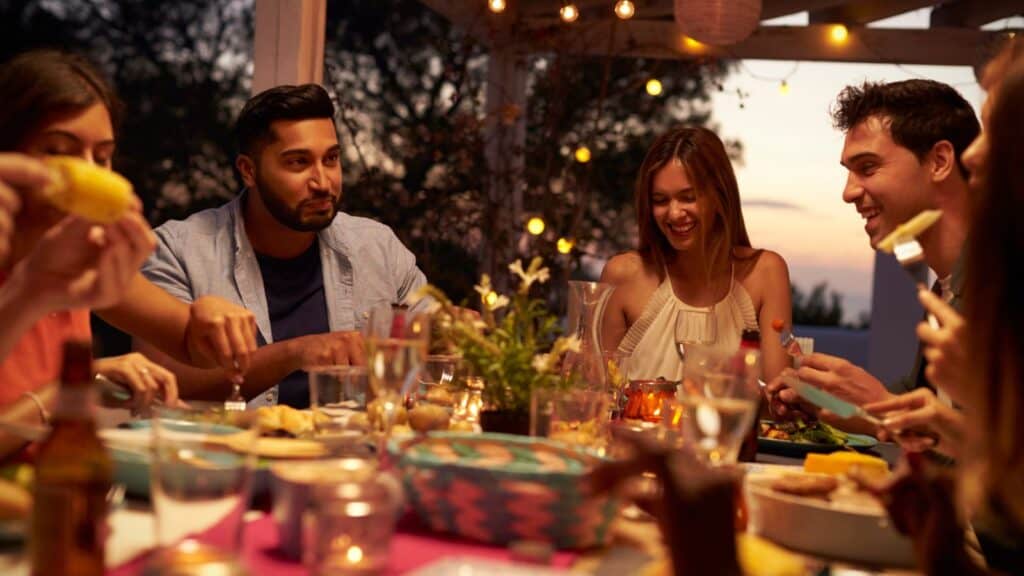
Food tastes better at small gatherings for a simple reason: the meal gets more care from the moment it is planned to the moment it is served. Smaller groups make it easier to put more thought into the menu, get the timing right and serve dishes while they are at their best. The pace is slower, the table is less chaotic and even simple dishes stand out more.
This post may contain affiliate link(s). As an Amazon Associate, I earn from qualifying purchases. See Disclosures.
I’ve found that smaller gatherings also change what happens once everyone sits down to eat. People are more likely to take that first bite while the food is still hot, crisp or fresh, and the meal is less interrupted by people coming and going.
A smaller guest list makes for a stronger menu
A smaller guest list makes it easier to plan a more thoughtful meal. There is more room to choose dishes based on how they complement each other, not just how well they feed a crowd. The result is a menu built with more intention from the start.
Smaller gatherings also make it easier to cook for the people who are actually at the table. You can season a little bolder, choose sides people will really want and serve a main dish the way your guests actually like it. It is much more realistic to ensure a vegetarian guest has a hearty soup or other dish that feels like part of the meal or to adjust the seasoning when someone needs less salt.
It also reduces the urge to add extra dishes just for the sake of having more on the table. You do not need as many backups, fillers or just-in-case sides. When the menu is tighter, the meal tastes more focused, and each dish can stand out.
Timing is easier to get right
A shorter guest list makes the timing of the meal easier to manage, and I’ve found it is much easier to get the whole meal to the table as planned when I’m feeding fewer people. Each dish can reach the table at its best, without sitting too long, while the rest of the meal catches up.
Some dishes also make more sense at a smaller scale, as foods like seared fish, delicate sauces or anything that depends on quick cooking are much harder to pull off for a crowd. Bigger gatherings often push the menu toward dishes that can be baked in bulk or kept warm without much trouble.
Food stands out more when fewer things are working against it. A smaller gathering cuts down on the noise, the rushing and the compromises that can get in the way of a good meal. It gives the cook more control and provides guests with a better chance to enjoy what is being served. The food does not need more hype or more extras; it just needs the kind of setting that lets it come through clearly.
A complete meal depends on good timing. The main dish and sides need to be ready at the same time, not one before the other. Smaller gatherings make this easier, and you can taste the difference when everything is served at the right time.
The ingredients can do more of the work
Smaller gatherings make it more realistic to buy better ingredients. With fewer people to feed, you can spend a little more on the meat, seafood, bread or cheese that will stand out most on the table. Better ingredients bring more flavor on their own, so dishes start from a stronger place.
This can change a meal before anyone even takes a bite. When the ingredients do more of the work, the food needs less help from extra sauces, filler sides or anything meant to cover up what is missing.
Here are a few dishes where this shows up:
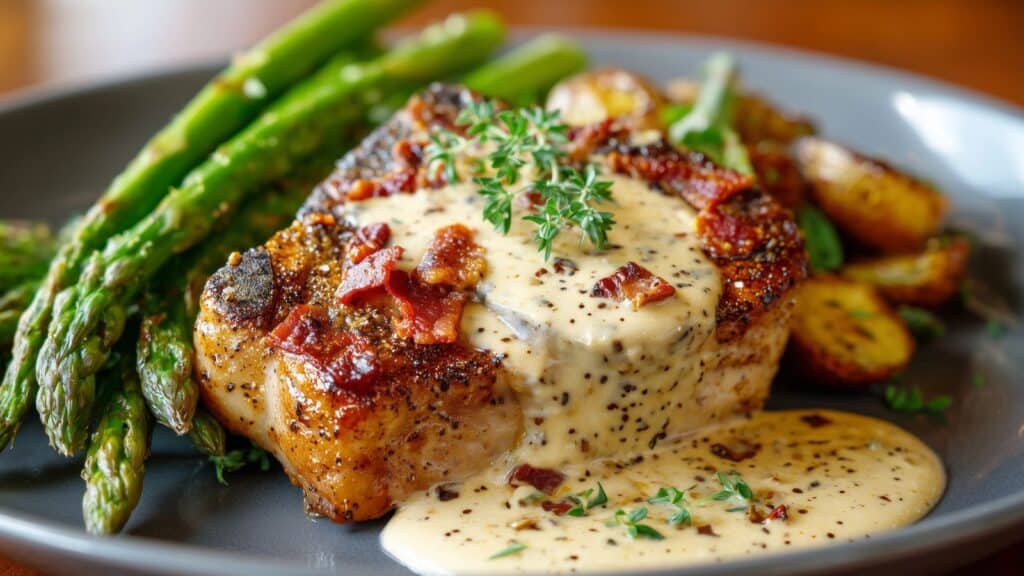
- A better cut of steak, a thick pork chop or high-quality seafood can carry the whole meal.
- Good bread with high-quality butter can make a simple dish taste far better than a table filled with cheaper extras.
- Higher-quality chocolate can make a simple dessert taste richer.
Less chance of mistakes
Bigger gatherings create more opportunities for simple mistakes, especially when the kitchen gets too busy; it is easier to grab the wrong ingredient, forget a finishing step or miss something that needs to come off the heat. Have you ever been so distracted in the kitchen that you grabbed the salt instead of the sugar? I know I have. Small gatherings leave more room to stay on top of those details before they turn into part of the meal.
It is also easier to catch problems early: a sauce can be tasted before it goes out, a side can be checked before it overcooks and a dish that needs one more minute or a little more seasoning is less likely to get rushed to the table unfinished. Fewer mistakes may sound like a small thing, but they can make a real difference in how the food turns out.
When something does go wrong, it is also easier to recover. A dish can be adjusted, replaced or pulled together again much more easily when you are not feeding a crowd. That kind of flexibility can save the meal and prevent a mistake from turning into something everyone notices.
Guests get to focus on the food
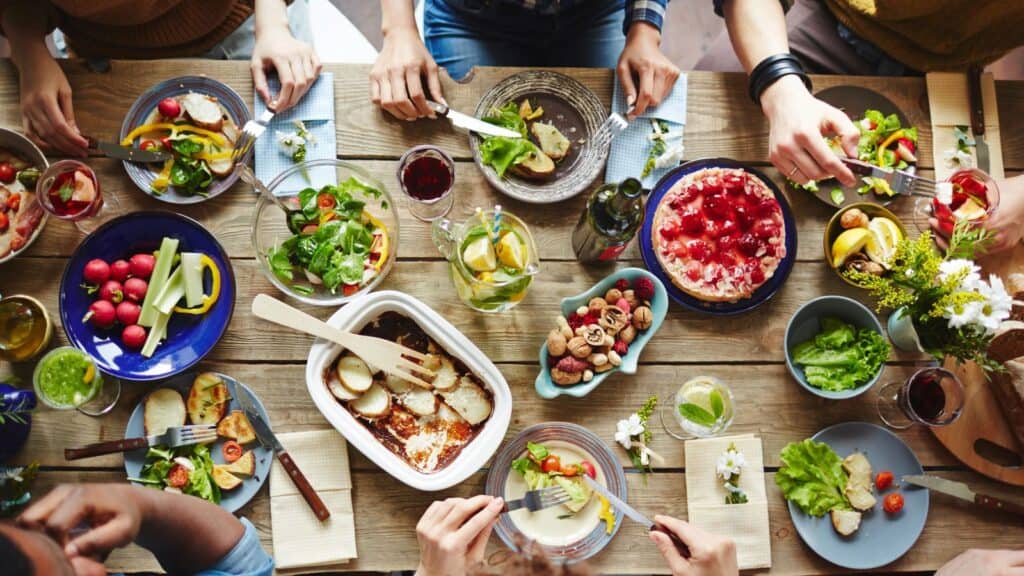
One of the hidden benefits of a smaller gathering is that guests get to focus more on the food. People are more likely to stay seated, eat at a steadier pace and notice what is actually on the plate. The meal is less likely to fade into the background while people move around, refill drinks or drift in and out of the conversation.
When guests slow down enough to enjoy the meal and each other’s company, it is easier to appreciate what is actually on their plate. The food becomes part of the moment instead of getting lost in everything else going on.
When the setting helps the food
Not every meal needs a bigger stage. In fact, some of the best ones are the ones served without as much pressure, movement, or noise around them. A smaller gathering creates the kind of setting where the meal can be cooked with more care, served with fewer compromises, and enjoyed without competing with everything else happening in the room.
That is part of what makes the food feel different in a setting like this. It is not only about the recipe. It is about what the recipe gets to become when the table is calmer, the meal is more focused, and people actually have the chance to enjoy what is in front of them.
Tammy Camp is the recipe creator and writer behind Trop Rockin Recipes, where she shares easy air fryer recipes, slow cooker favorites and simple ideas for weeknight dinners and casual gatherings. Tammy helps busy home cooks get delicious food on the table without the stress.