
Sounding fancy and being legally regulated are two different things, but “no specific rule for this exact word” almost never means “no rule at all.” Every food here sits under some kind of law, just not the kind you’d expect.

Parmesan is Protected Two Different Ways, on Two Different Continents
In the European Union, “parmesan” is treated as tied to Parmigiano Reggiano, the cheese made in a defined zone in Italy, and the EU’s top court ruled in 2008 that using the word elsewhere violates that protection. The U.S. doesn’t leave the word wide open either. Federal rule sets its own recipe: cheese sold here as “Parmesan” has to stay under 32 percent moisture, run at least 32 percent milkfat in its solids, and age at least 10 months. That standard cares what’s in the cheese, not where it’s made.
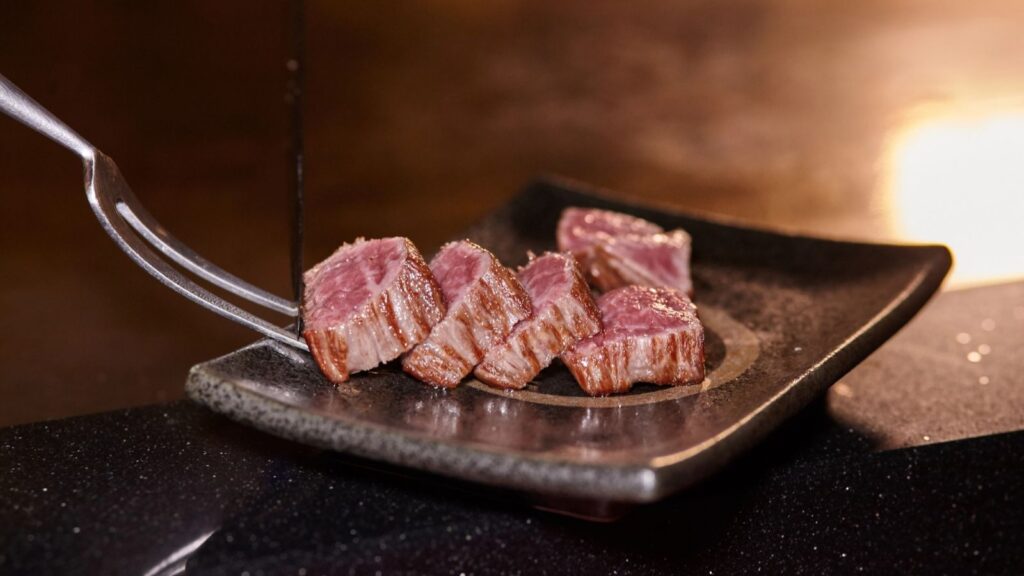
One Kobe Beef Trademark Gave Up Rights to Those Exact Words
Japan’s certification for genuine Kobe beef is specific: Tajima cattle, raised in Hyogo Prefecture, graded on marbling and yield before the name is allowed. In the U.S., a company holds a federal trademark for “Kobe Beef America,” and the registration itself disclaims any exclusive right to the words “Kobe beef” alone, apart from that full combined mark. That says something about this company’s rights, not that the phrase is free for anyone.
White Chocolate Has to Earn the Name
White chocolate isn’t just a marketing term. FDA rules require it to contain at least 20 percent cocoa butter, plus minimum amounts of milk solids and milkfat. Skip those numbers, and legally, it isn’t white chocolate, even though it doesn’t look like classic chocolate.
Federal Rule Sets a Real Bar for Maple Syrup
To be sold under the plain name “maple syrup,” federal regulation requires the product to come from concentrated tree sap, hit at least 66 percent soluble solids, and skip added sweeteners. Blend in corn syrup, and it can’t carry that unqualified name anymore, though a properly labeled “maple-flavored” product is a separate, legal category.
Vanilla Flavoring Meets the Same Bar as Extract, Just With Less Alcohol
“Vanilla flavoring” sounds like a cheaper stand-in for vanilla extract. Legally, it isn’t. FDA rules require it to meet the same definition and standard as vanilla extract, with one exception: alcohol content has to fall under 35 percent by volume.

Imitation Crab Has to Admit It, but Only Under One Specific Test
Imitation crab, usually made from pollock-based surimi, triggers a defined FDA rule: if a substitute resembles another food and is nutritionally inferior, the label has to say “imitation,” followed by the name of the food it’s imitating. That’s a specific trigger, not a blanket rule against every crab-adjacent product.
Extra Virgin Has a Voluntary Grade Sitting on a Mandatory Truth Requirement
USDA maintains detailed grading standards for “extra virgin olive oil,” covering acidity and taste, but using the program before a sale is voluntary. That doesn’t make the “extra virgin” label optional to get right. Federal law separately bans false or misleading food labeling, regardless of USDA grading.
Wasabi Has No Specific Standard, but That’s Not the Same as No Rule
Most of the paste next to your sushi is horseradish, mustard, and green dye. The FDA hasn’t written a standard of identity defining what “wasabi” has to contain, and that’s a real gap. But general food law doesn’t stop there: any food without its own specific standard still has to carry a name that isn’t false or misleading, and FDA flavor-labeling rules can require a qualifier when “wasabi” functions as a flavor claim rather than a real ingredient. The gap is why the label persists, not a green light for anything.
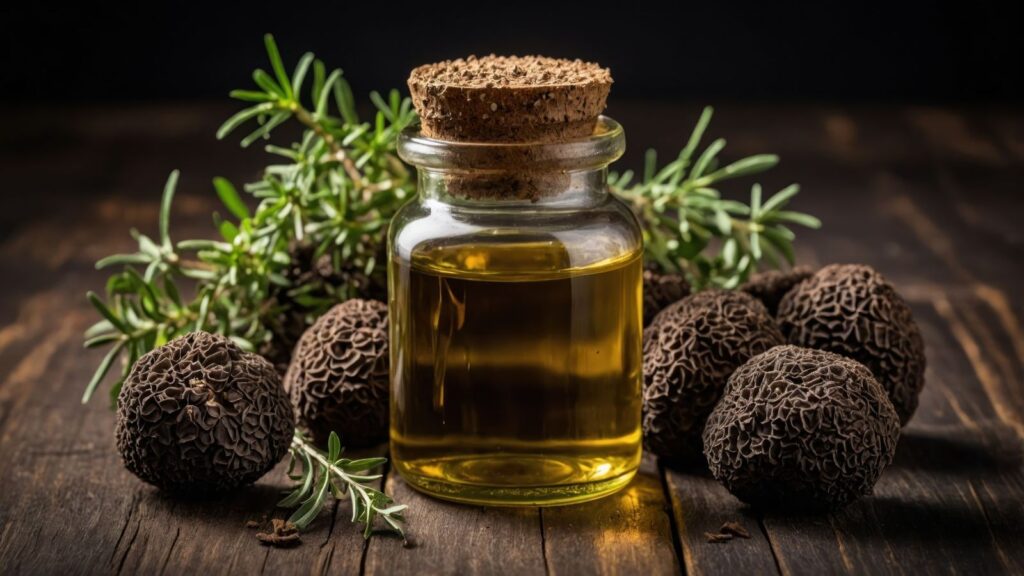
Truffle Oil’s Smell is Chemistry, and Its Label is a Separate Legal Question
Truffle oil’s aroma mostly comes from a compound called 2,4-dithiapentane, and most bottles use a synthetic version instead of real truffles. That explains why it smells the part. It doesn’t decide the label, which FDA’s characterizing-flavor rules govern separately, generally requiring that kind of truffle flavor be disclosed as artificial rather than implied as real.
The Bottom Line
A fancy-sounding name doesn’t tell you how the law treats it, or whether there’s a specific rule at all. Some of these words carry a hard compositional standard, some a geographic one, some a voluntary grade on top of a mandatory truth requirement, and some barely a rule in sight beyond “don’t mislead people.” Read the label knowing it’s only telling you part of the story.