
That potato salad on the picnic table might look perfectly fine right up until it isn’t. Summer heat doesn’t announce itself in a dish’s smell or appearance. It works quietly, turning safe food unsafe while everything still looks like it just came off the grill. For perishable food that is no longer being kept cold, the clock matters, and above 90°F the safe window gets even shorter.
Deviled Eggs
Deviled eggs need the same careful handling as other cooked egg dishes. The FDA says cooked eggs and egg dishes should not sit out for more than two hours. Above 90°F, that limit drops to one hour. If the tray will stay out longer, keep cold egg dishes on ice.
Potato Salad
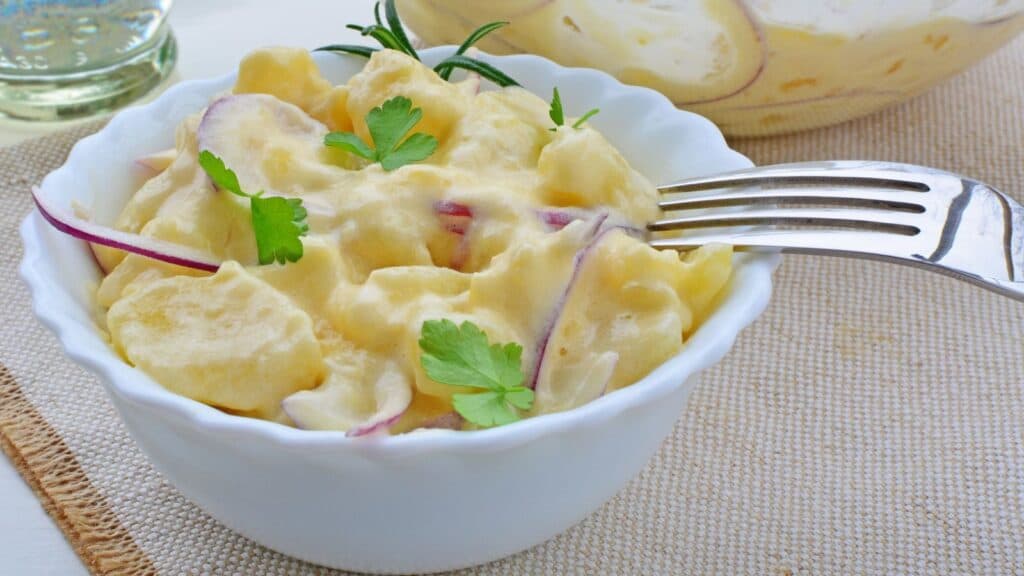
Potato salad belongs in the cooler, not on a sunny table. USDA guidance says cold perishable foods should stay at 40°F or below. If the salad is not being kept cold, the two-hour limit applies. Above 90°F, it drops to one hour. A bowl of ice can help keep the serving dish cold.
Chicken and Tuna Salad
Chicken and tuna salads are classic picnic foods, but both need steady refrigeration. USDA lists perishable meat, poultry, egg, and seafood salads among foods that should travel straight into a cooler. Keep them at 40°F or below until you are ready to serve.
Seafood Salad
Shrimp, crab, and other seafood salads follow the same cold-holding rule. USDA recommends using ice or gel packs to keep perishable salads at 40°F or below. Put out a smaller serving bowl. Refill it from the cooler rather than leaving the whole batch in the heat.
Cut Watermelon
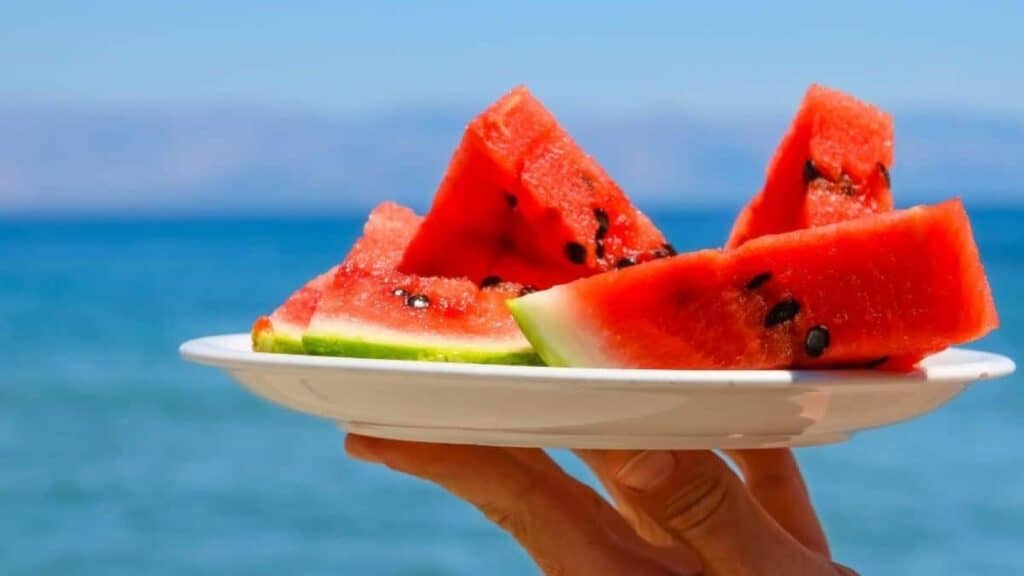
A whole watermelon can sit out before it is cut, but sliced melon needs refrigeration. CDC lists cut melon left out for more than two hours as a riskier food choice. Above 90°F, that limit is one hour. Keep sliced melon chilled and return leftovers to the cooler promptly.
Dairy-Based Dips
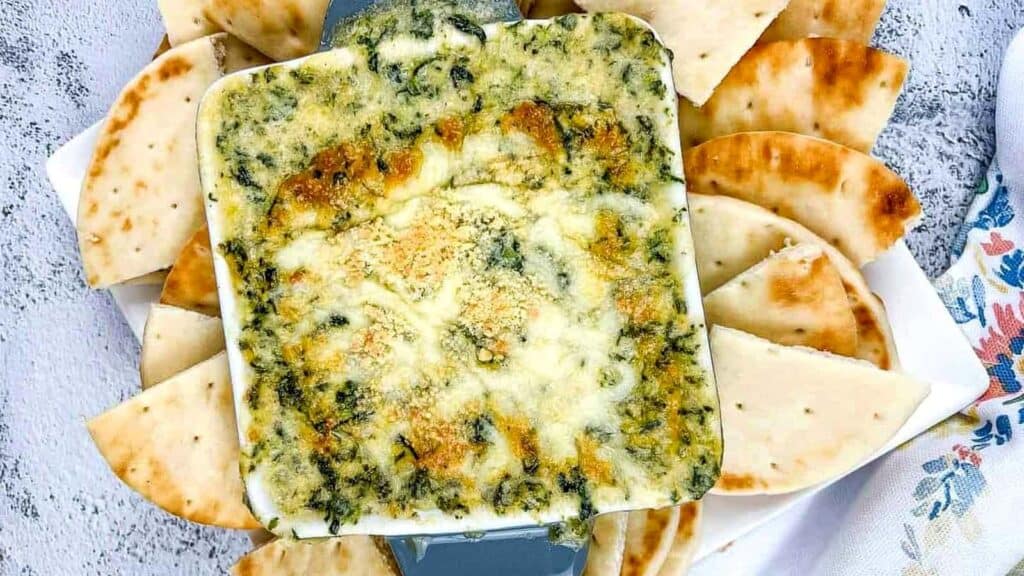
Creamy spinach dip, ranch dip, and similar refrigerated dairy dips should not spend the afternoon beside the chips. CDC says perishable dairy foods should be refrigerated within two hours. Above 90°F, the limit is one hour. Nest the serving bowl in ice and replace it with a chilled portion as needed.
Homemade Mayonnaise and Dressings
Homemade mayonnaise and uncooked dressings made with raw egg need extra care. FDA guidance recommends pasteurized eggs or egg products for mayonnaise and similar foods that are not thoroughly cooked. Keep homemade versions refrigerated until serving.
Burgers
A burger can look done before it is safely cooked. USDA says color is not a reliable test for doneness. Ground beef should reach an internal temperature of 160°F. Check it with a food thermometer. That matters when burgers are moving quickly from grill to plate.
Refrigerated Deli Meats
Cold cuts and other refrigerated deli meats also need temperature control. CDC says deli meats and cold cuts can be contaminated with Listeria. Refrigeration does not kill the bacteria. Keep products labeled for refrigeration cold. Certain dry sausages are shelf-stable, so check the package rather than treating every cured meat the same way.

Ice Cream and Frozen Yogurt
Melted ice cream is not a good candidate for refreezing after it has warmed up. Federal food-safety guidance says ice cream and frozen yogurt should be discarded after thawing rather than saved for later. At a picnic, serve frozen desserts right away. Keep backup containers frozen until needed.
Custard and Cream Pies
Custard and cream pies need careful temperature control. FDA guidance says custard or cream pie fillings should reach 160°F during preparation. It also says cream pies should stay refrigerated. Keep the pie cold until serving and return it to the cooler once slices are handed out.
Keep the Cooler Working for You
Next time you’re loading the cooler, pack it like the food’s actual safety depends on it, because it does. A second bag of ice costs less than a wasted potato salad and a lot less than a bad night. The dishes on this list aren’t the ones to skip. They’re the ones that reward a little extra attention with a cookout nobody regrets.