
Someone at the park this afternoon has it figured out. Soft cooler, canned rosé and charcuterie that needed no board. The blanket is in the shade and nothing arrived warm or soggy. July is National Picnic Month, and that version of the afternoon is exactly what it was made for.
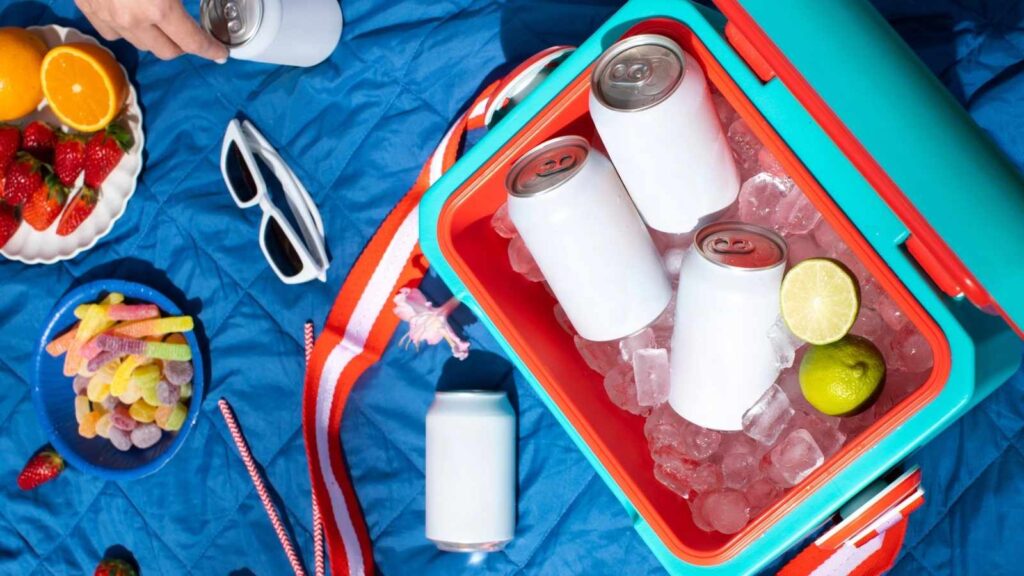
The picnic has not changed much in decades. Same warm drinks, same soggy sandwiches, same scramble to keep everything upright on a sloped lawn. But the drinks aisle, the grocery cooler and the gear section have all quietly caught up to what people actually want from an afternoon outside. A few smart swaps are the whole difference.
More than half of Americans prefer eating outside when the weather cooperates. Wine-based RTDs grew close to 14% in early 2026, even as broader wine sales contracted. Portable, glass-free formats fit the outdoor occasion in a way a bottle never quite managed.
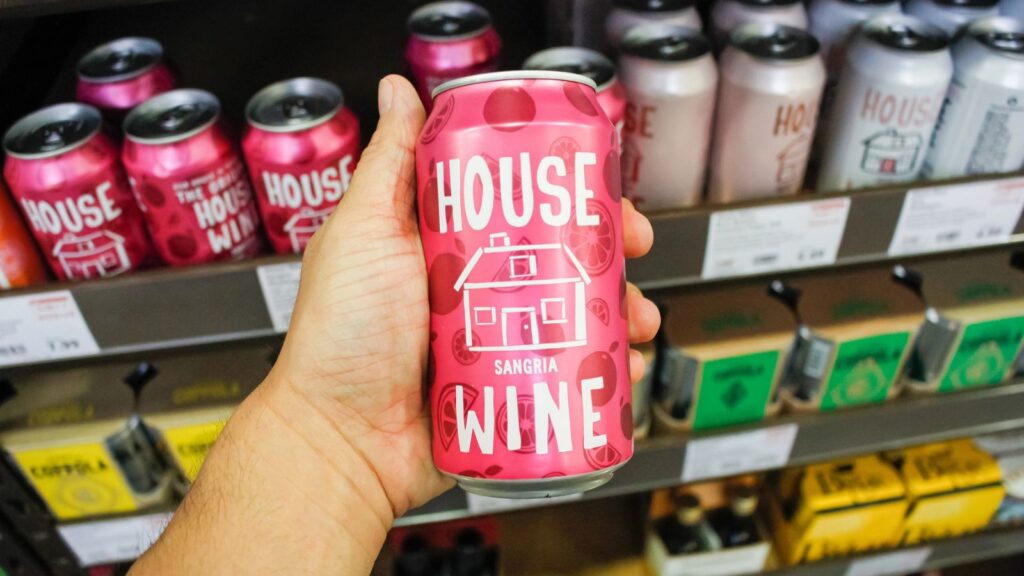
Canned wine earns its place outside
The case for canned wine on a picnic blanket is not about status. No corkscrew, no glass, no plan for keeping a bottle upright. Single-serve formats chill faster and fit into any insulated bag without drama. Sparkling and rosé are the most popular right now, and both pair well with the lighter fare most people actually want outside.
Portable charcuterie beats a sandwich
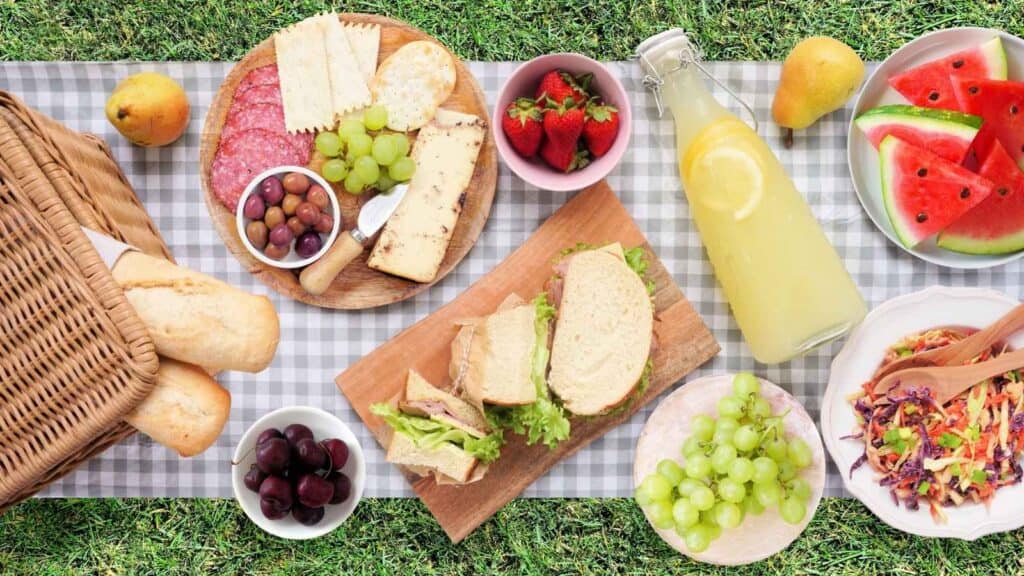
Pre-sliced kits and variety packs are built for exactly this. No assembly, no board, nothing that needs a precise temperature. Cured meats with hard cheeses, olives and crackers hold up in heat far better than anything with a mayonnaise-based spread. They also get better as they sit. Single-serve and two-person formats are now as easy to find as a bag of chips.
Your cooler bag might be lying to you
Not all insulated bags are the same, and the difference matters on a hot July afternoon. A thin zip-close tote from a pharmacy rack will not keep canned wine cold for long. A soft-sided cooler with high-density foam or vacuum insulation will, and it does it without a bag of ice. That distinction is worth making before the food arrives warm.
Build your spread around the heat
Anything mayo- or cream-based becomes a liability outside. Bacteria can double in as little as 20 minutes once food leaves the safe temperature zone. Farro, wheat berries and freekeh carry none of that risk. They pair well with acid-forward dressings that keep the dish stable and develop more flavor as they rest. Marinated vegetables work the same way.
Pack light, leave less behind
Aluminum cans are lighter than glass and widely accepted by curbside recycling programs. Beeswax wraps and reusable silicone bags handle the cheese and bread without generating a pile of plastic at the end of the afternoon. Less packaging also means less weight and more room in the bag. Forty percent of consumers say sharing food together is a core element of connection. A good picnic does not need much. It just needs the right things.
Jennifer Allen is a retired professional chef and long-time writer. Her work appears in dozens of publications, including MSN, Yahoo, The Washington Post and The Seattle Times. These days, she’s busy in the kitchen developing recipes and traveling the world, and you can find all her best creations at Cook What You Love.