
Recalls pull food from shelves, but the bigger changes happen inside plants and rulebooks. A contaminated batch can trigger new heat treatments, equipment layouts, testing programs, or sanitation controls that remain long after headlines fade. These 13 cases show how outbreaks and investigations changed familiar foods through company action and federal oversight.

Toll House Cookie Dough
The CDC’s final count tied 72 illnesses in 30 states to the 2009 outbreak involving refrigerated cookie dough. Nestlé recalled the product, intensified testing, and in January 2010 began making Toll House refrigerated dough with heat-treated flour. The company still advised baking the dough before eating it.
Packaged Apple Juice
Odwalla’s unpasteurized apple juice was linked to a 1996 E. coli O157:H7 outbreak. FDA’s later Juice HACCP rule required covered processors to use controls that achieve at least a 5-log pathogen reduction, equal to a 100,000-fold decrease in the target microorganism.
Setton Pistachios
After the 2009 pistachio recall, Setton told FDA that raw and roasted nuts would no longer share rooms or equipment. It also assigned separate forklifts, bins, conveyor buckets, brooms, and sampling carts to the raw and ready-to-eat sides of production.
Peter Pan Peanut Butter
ConAgra said moisture at its Georgia plant might have allowed dormant Salmonella to grow in 2007. A company spokesperson said the moisture came from a leaking roof and a faulty sprinkler system. The company cleaned and repaired the plant and planned to install new machinery throughout the facility.
Blue Bell Ice Cream
Blue Bell recalled every product and temporarily closed all plants in 2015 after a Listeria outbreak. After reopening, the company enhanced sanitation and began testing products for Listeria before shipment.
Boar’s Head Deli Meats
FSIS suspended inspection at Boar’s Head’s Jarratt, Virginia, plant during the 2024 Listeria outbreak response. The plant reopened in February 2026 after extensive renovations. Boar’s Head says it now uses USDA Alternative 2 Listeria controls, intensified environmental monitoring, stronger sanitation, regular audits, and continuous training.
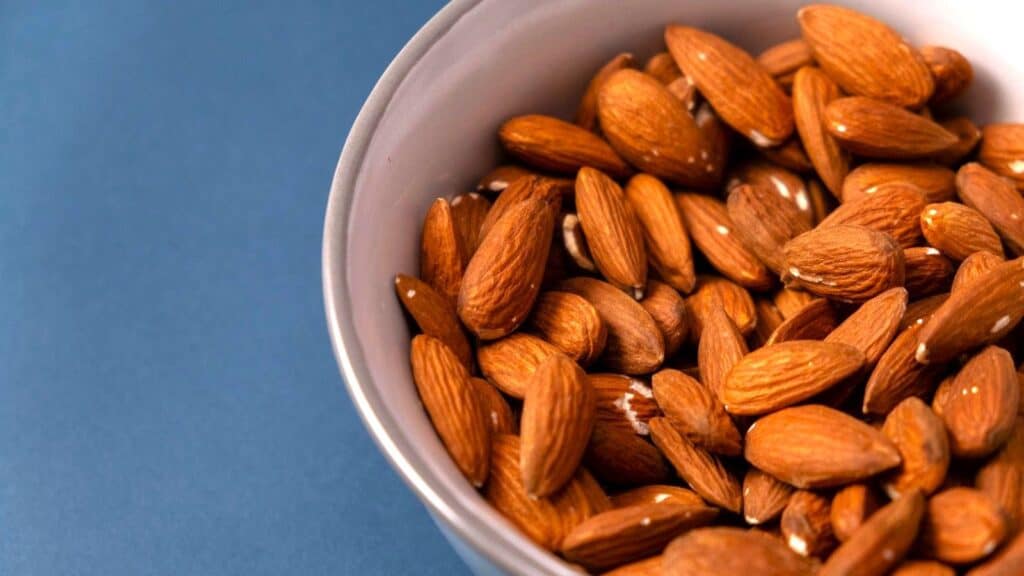
California Almonds
After Salmonella outbreaks linked to raw almonds in 2001 and 2004, California made pathogen-reduction treatment mandatory. Handlers must use a validated process that delivers at least a 4-log reduction of Salmonella, a 10,000-fold decrease.
Hot Dogs and Deli Meats
FSIS’s Listeria rule changed how plants manage ready-to-eat meat exposed after cooking. Producers must use one of three control alternatives: post-lethality treatment, an antimicrobial agent or process, or sanitation controls, depending on the selected alternative.
Ground Beef
In 1994, FSIS declared E. coli O157:H7 an adulterant in raw ground beef and launched a national testing program. Under the policy, a contaminated product required further processing to destroy the pathogen rather than sale as ordinary raw ground beef.
Sunland Nut Butters
The 2012 outbreak linked to Sunland peanut butter sickened at least 35 people in 19 states. A federal consent decree required sanitation-control programs, environmental and product testing, monitoring, remediation, FDA inspection, and written FDA authorization before production could resume.
Abbott Infant Formula
Abbott’s 2022 formula recall led to a federal consent decree requiring corrective work under FDA oversight. FDA found Cronobacter in five environmental samples, while finished-product samples were negative and available patient isolates did not genetically match the plant strains. Those careful distinctions prevent the evidence from claiming more than it proved.
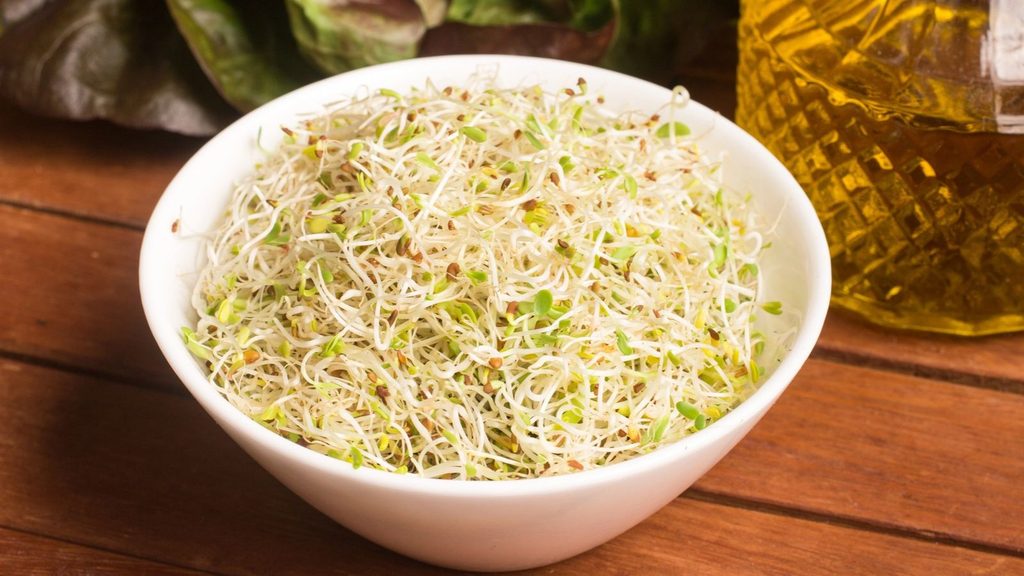
Alfalfa Sprouts
A 2001 Salmonella outbreak tied to alfalfa sprouts traced matching bacteria to patients, imported seed, and facility drains. Investigators found that a weaker 2,000-ppm seed treatment had been used. The producer later agreed to adopt the FDA-recommended 20,000-ppm soak before restarting.
California Leafy Greens
California’s leafy-greens industry created the LGMA after the 2006 spinach E. coli outbreak. Membership is voluntary, but participating handlers must follow minimum field food-safety practices enforced through mandatory third-party audits.
What Remains After the Recall
A recall removes food from shelves, but public trust returns only when the process changes. The strongest responses leave a verifiable trail: a new rule, validated treatment, inspection program, or documented redesign. A promise to improve is temporary; a control that can be tested becomes part of how the food is made.