
Dark evenings leave a gap between dinner and bed. A hobby can turn that time into anticipation: one more row, page, or puzzle piece before lights out. Fall suits projects that warm the kitchen, fill a table, or make a chilly walk more interesting.
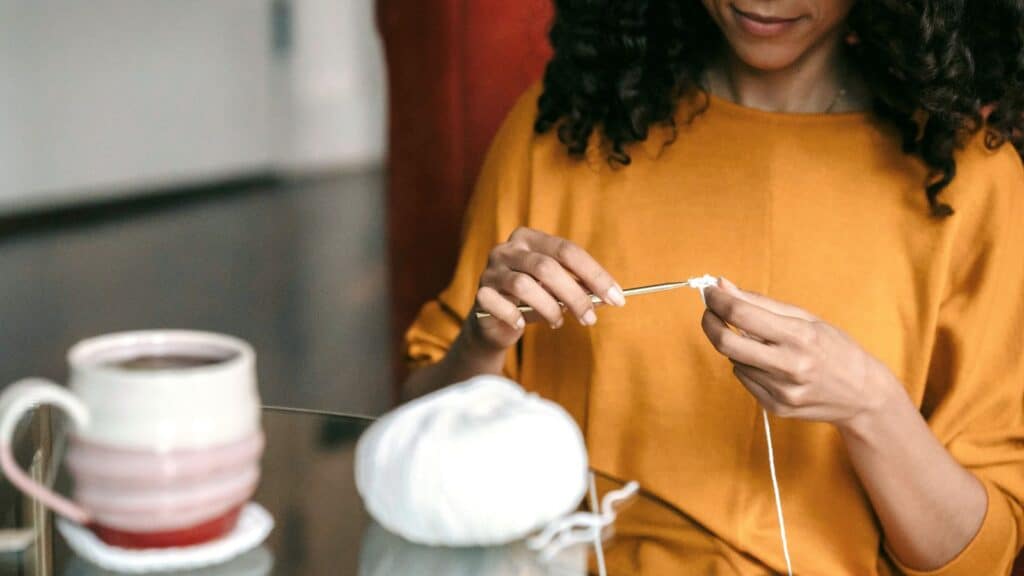
Crochet a Practice Square
Crochet needs a hook and yarn, while a yarn needle and scissors complete the setup. The Craft Yarn Council’s beginner block teaches a slip knot, chain, and single crochet in a practice piece. Use the square to practice those motions before committing to a scarf.
Knit With One Basic Stitch
Knitting works with two needles, and the knit stitch alone can create garter stitch. The Craft Yarn Council’s beginner knit block turns that technique into a 7-by-9-inch square. The instructions cover casting on, knitting rows, and binding off before you attempt a larger project.
Try a Small Embroidery Sampler
Embroidery turns cloth into a surface for lines, texture, and pattern. The Victoria and Albert Museum describes cross-stitch as one of the simplest and most recognizable stitch techniques. Start with an even-weave sampler and two or three colors. A small motif gives you practice with threading, spacing, and securing the back.
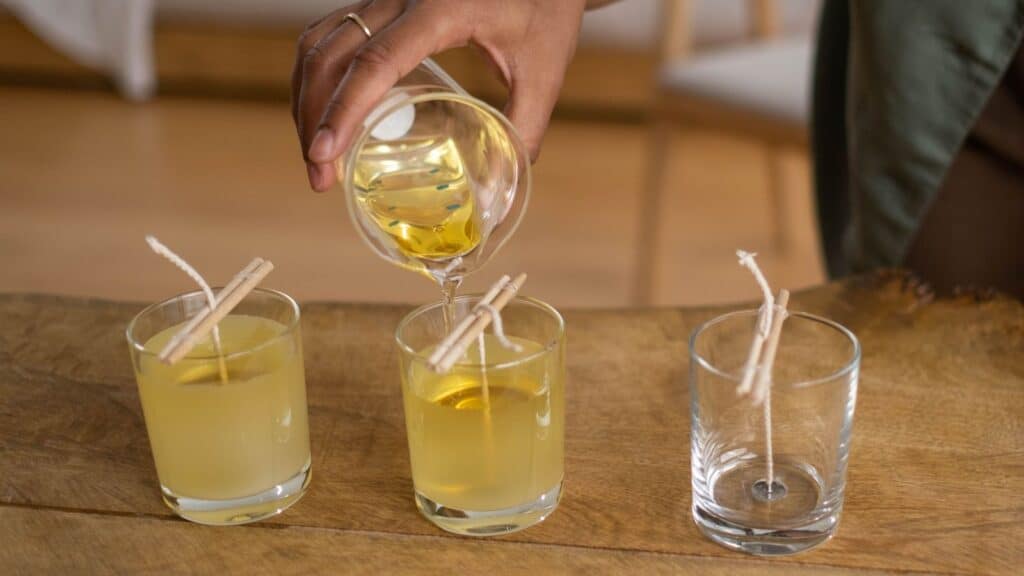
Pour a Candle Carefully
Candle making feels especially seasonal, but hot wax and open flame deserve care. Choose a beginner kit with clear instructions and follow them exactly. After the candle is ready to use, follow National Candle Association guidance: trim the wick to 1/4 inch, use a stable heat-resistant surface, keep it 12 inches from flammable items, and never leave it burning unattended.
Claim a Table for a Puzzle
Jigsaw puzzles reward short visits and long sessions alike. The Strong National Museum of Play traces the pastime from a map cut into wood around 1760 to mass-produced cardboard puzzles in the 1930s. Choose an image with distinct color zones, sort the edge pieces first, and use a tray or card table that can remain undisturbed.
Keep a Three-Line Journal
A journal asks for a notebook, a pen, and permission to be unpolished. University of Rochester Medical Center defines journaling as writing thoughts and feelings to understand them more clearly, and suggests setting aside a few minutes regularly. Begin with three lines: what happened, what lingered, and what you want tomorrow.

Build a Reading Ritual
Make reading a repeatable part of the evening by keeping the next book ready. The American Library Association notes that library cards are generally free for residents of a library’s service area. Check local rules, borrow a short novel or essay collection, and reserve ten phone-free minutes before bed.
Start a Sourdough Culture
Sourdough gives the kitchen a project that develops over days. King Arthur Baking says a starter begins with flour, water, and time, then needs regular refreshment until it becomes bubbly and vigorous. Follow a tested beginner guide, use a scale if available, and master starter care before chasing an airy showcase loaf.
Fill a Diamond Painting Canvas
Diamond painting uses small gems or rhinestones placed on a numbered canvas, much like paint-by-number, according to NBC Select. The mapped design makes the craft approachable without drawing experience. Start with a small canvas, keep each color in a labeled tray, and cover exposed adhesive when you stop.
Learn the Birds Nearby
Birdwatching can begin from a window, stoop, or neighborhood path. Cornell Lab’s free Merlin Bird ID can suggest species from sound, photos, or five observation questions, though Cornell recommends verifying unfamiliar sound IDs. Pick one regular route and record three details: size, colors, and behavior.

Bring the Garden Indoors
Fall also gives indoor gardeners a deadline. University of Minnesota Extension advises bringing most houseplants inside before temperatures drop below 50°F and inspecting them for insects or disease first. Keep incoming pots away from the existing collection until pests are ruled out, then learn one plant’s light and watering needs before adding another.
Choose the Hobby That Pulls You Back
A hobby earns its place when returning feels easier than beginning. Choose the idea that fits your actual evenings, then make the first session deliberately small enough to repeat tomorrow. Progress can stay private and imperfect. By winter, the valuable part may be less about what you produced and more about the familiar ritual waiting when the day closes early.