
Cold jug, cloudy pour, sharp apple aroma: fresh cider announces fall before the first sip. Store-shelf apple juice can be good, but orchard cider often tastes fuller and more vivid. That difference comes from the timing of the harvest, the maturity of the fruit, the way apples are blended, and how little filtering stands between the press and your glass.
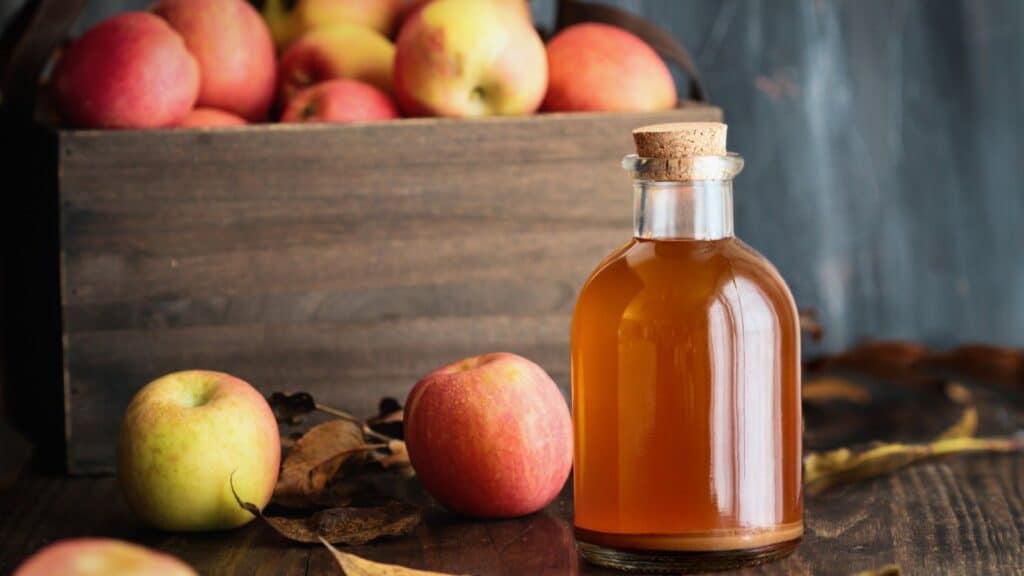
Fall Lines Up With Apple Harvest
U.S. apples are typically harvested from August through November, according to the USDA. That puts fresh cider season right alongside the main harvest window. Apples can be stored for months, which is why grocery stores have them year-round, but fall is the stretch when newly harvested fruit is arriving in quantity.
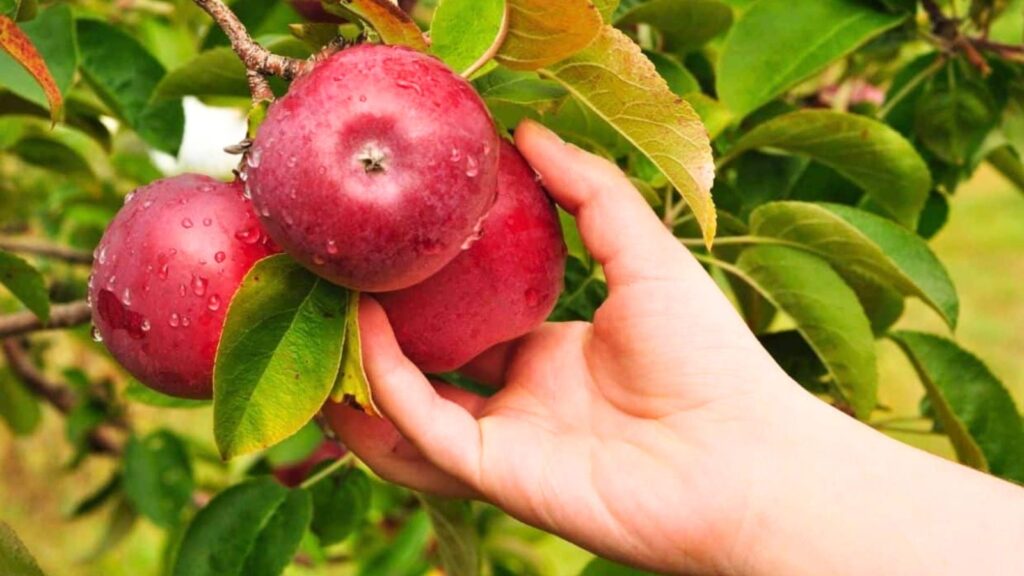
Ripe Apples Bring More Sugar and Flavor
Apple flavor changes as the fruit matures. Virginia Tech notes that starch levels fall while sugars rise and acids decline as apples ripen. Fruit picked before full maturity still carries more starch and less sugar. Cider pressed from properly mature apples starts with fruit that has had time to develop the sweetness and flavor you expect from a fall apple.
Cider Keeps More of the Apple in the Glass
Oregon State Extension says fresh-pressed cider has a cloudy appearance. Illinois Extension makes the contrast clear: apple juice is filtered to remove particles before it is bottled. That cloudy look is part of fresh cider’s character. Filtering changes the drink’s appearance and removes the particles that fresh cider keeps.
Blending Apples Builds a Better Pour
Good sweet cider does not have to come from a single variety. Oregon State Extension says most ciders are made from a blend of different varieties. A blend can combine sweetness, acidity, and aroma instead of asking one apple to do every job. That is why orchard cider can taste layered rather than simply sweet.
Cool Nights Can Improve Apple Quality
Fall weather can help the fruit itself. Virginia Tech reports that many apple varieties produce better flavor, firmer flesh, and better color when nighttime temperatures are cool near harvest. The same source notes that sugars rise as fruit matures. Cool harvest weather is not the whole story, but it can be part of the quality picture.
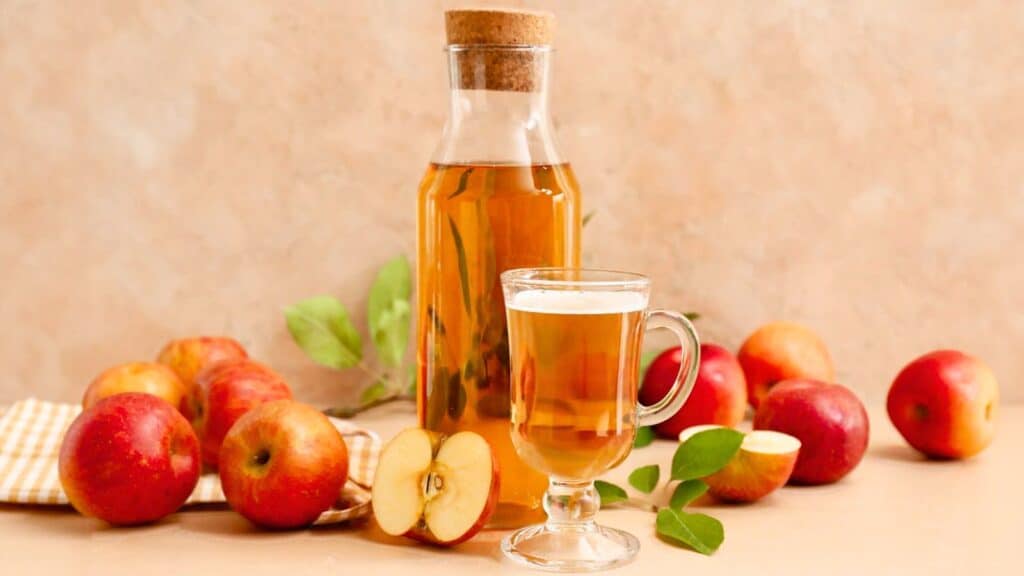
Fresh Cider Has a Shorter Clock
Fresh cider is meant to be handled like a perishable drink. Iowa State University Extension recommends pasteurizing homemade fresh cider and refrigerating it for up to five days. That short storage window makes homemade fresh cider a drink to enjoy promptly rather than stash for later. Freshness here is about timing, not skipping safety steps.
Fresh Cider Starts at the Press
Making sweet cider starts with fresh crushed apples. Oregon State Extension explains that grinding releases the juice, and the crushed fruit is then pressed. Fresh-pressed cider has a cloudy appearance, too. That direct route from crushed apple to cloudy cider is a big part of the drink’s rustic character.
Seasonality Is Part of the Flavor
Fresh fall cider is a reminder that better timing can matter as much as a better recipe. You do not need untreated juice or a rare apple to get a memorable glass. What matters is catching good fruit when it is mature, pressing it with care, and drinking the result while the harvest is still moving through the orchard.