
Wilted leaves, bare branches and a garden bed that never fills in as you hoped can make a garden feel like a guessing game. Experts often trace these problems to simple habits, from watering by routine to planting too early or choosing the wrong spot. Better results start with reading your own yard before reaching for the hose, pruners or another plant. Here are the top seven mistakes novice gardeners make every season.
Watering on a Schedule Instead of Checking the Soil
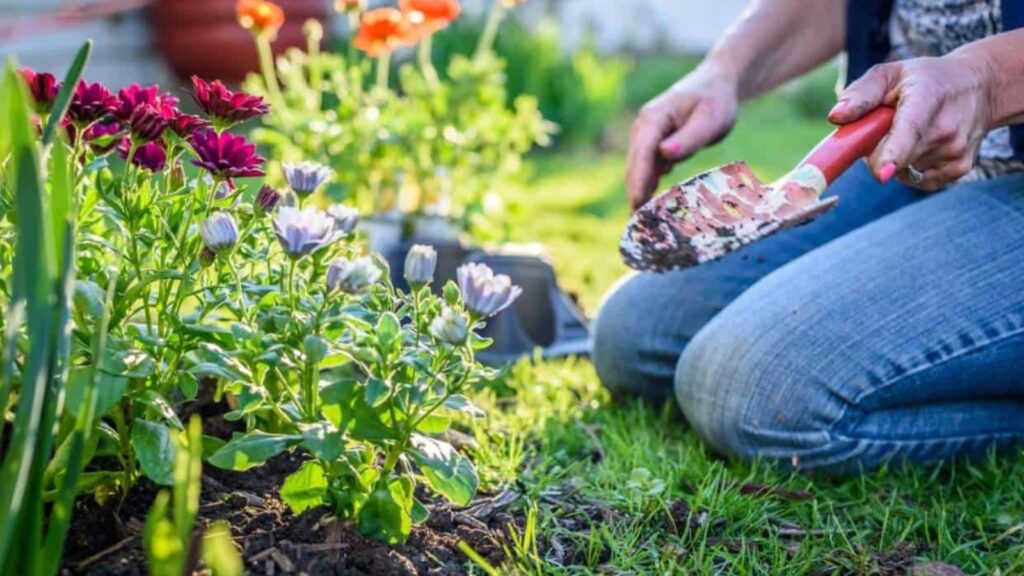
Daily watering can feel careful, but wet soil can cause trouble. University of Georgia Extension says too much water is a leading cause of problems in home yards and notes that root-rot fungi thrive in wet soil. Water deeply and check moisture below the surface instead of reacting to a dry top layer. Let the soil tell you when it is time to water.
Piling Mulch Against Tree Trunks
Mulch helps hold moisture, but more is not always better. Nebraska Extension warns that mulch piled against tree bark can trap moisture, lead to bark rot, and give voles a place to hide. It recommends a flat layer about 2 to 4 inches deep, depending on the material and planting, with mulch pulled a few inches away from the trunk. Think wide and shallow, not high and tight.
Planting Tender Plants Before Frost Risk Eases
Warm spring days can arrive before cold nights are done. For frost-tender plants, wait until after the local average last-frost date unless you can protect them. Soil temperature matters too, so one sunny weekend should not set the whole schedule. Check local conditions before moving tender seedlings outside.
Pruning Spring Bloomers Too Early
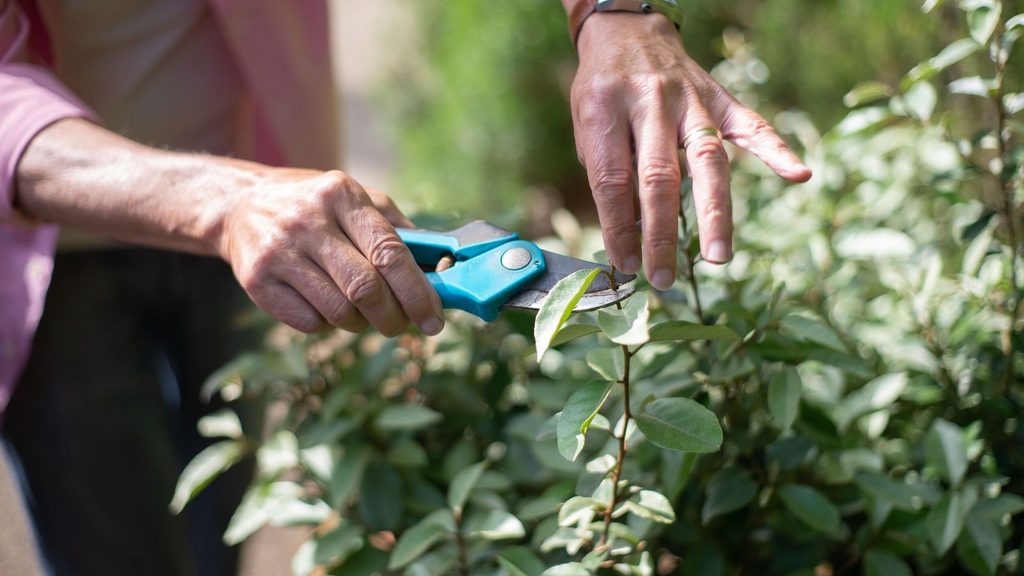
Pruning at the wrong time can cut off the flowers you hoped to see. Current 2026 guidance says spring-flowering shrubs such as lilac, azalea, and spirea should be trimmed just after they bloom, before they set buds for the next year. That timing is different for many shrubs that bloom later. Check when a plant flowers before you cut it back.
Crowding Plants for an Instant-Full Look
New beds can look bare, which makes it tempting to fill every gap. Plants set too close together compete for light, water, and nutrients while airflow drops. Check the mature height and width instead of judging only by the size of the nursery pot. A little open space now can prevent crowding later.
Putting the Right Plant in the Wrong Spot
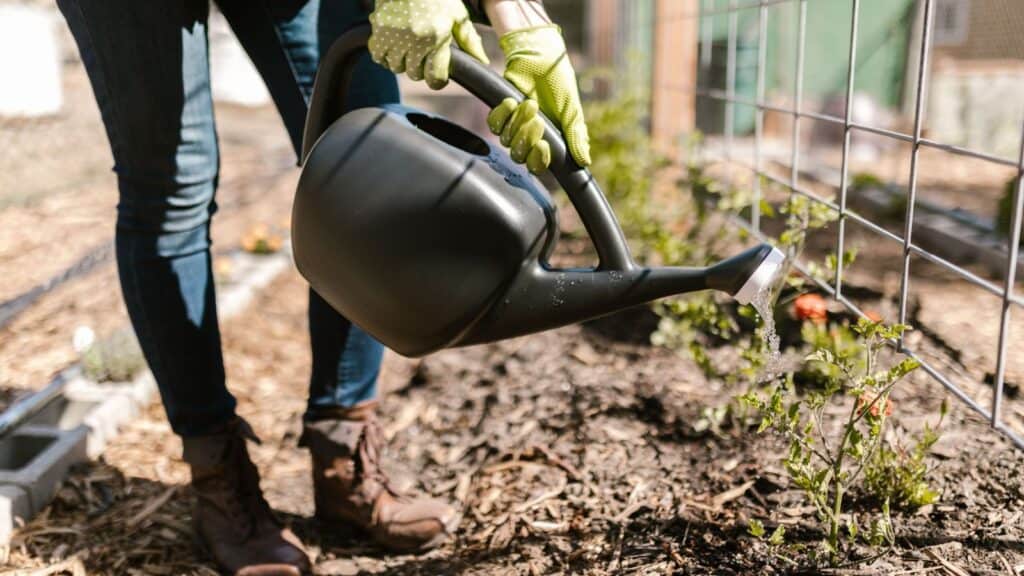
A healthy plant can struggle when the site does not fit its needs. Full-sun plants need at least six hours of direct sun, with different light ranges for part sun, part shade and full shade. Watch how sunlight moves across your yard before you choose a spot. The same idea helps when starting an herb garden: match herbs to light needs instead of treating every bright corner the same.
Fertilizing Before Testing the Soil
Adding fertilizer without knowing what is already in the soil can waste effort. A lab soil test can show nutrient levels, pH, and whether fertilizer or lime may be needed. Testing is useful before planting and when you make a big change in what you grow. Test first, then add only what the soil needs.
Let the Yard Set the Rules
Gardening gets easier when the calendar stops making every choice for you. Weather, soil, and light can change what a plant needs from one spot or week to the next. Learning to read those clues can turn gardening from constant fixes into care that responds before a problem grows.