
Roadside loyalty once came with something you could hold. A fill-up might send you home with a toy, a collector piece, or the next part of a set. Those little extras gave a routine stop some suspense, and families a reason to remember one brand when the tank ran low again.
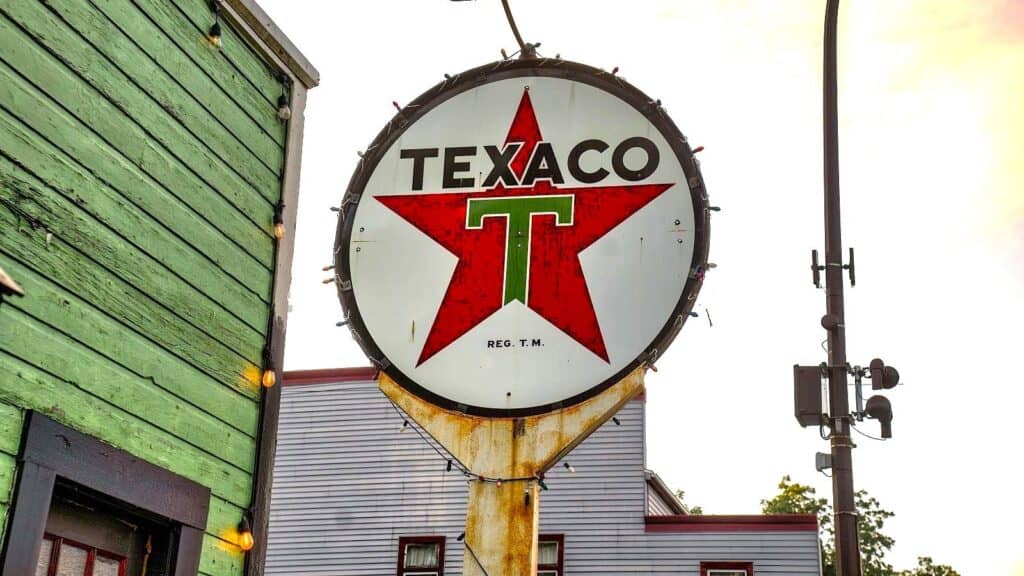
Texaco Turned Kids Into Fire Chiefs
Texaco made its Fire Chief gasoline launch hard for kids to miss. In Medford, Oregon, a 1932 promotion put hundreds of schoolchildren in Texaco fire helmets. They marched through downtown in a parade. The stunt put the new gas brand in front of thousands of people.
The Esso Tiger Tail Turned Cars Into Moving Ads
Esso’s “Put a Tiger in Your Tank” idea did not stay on the pump. The campaign included tiger tails designed to hang from a car’s gas cap. That turned the slogan into a moving roadside ad. By 1964, a friendlier cartoon tiger was leading a much larger campaign.
Shell Turned Presidential Coins Into a Game
Shell’s Mr. President Coin Game ran in 1968 and 1969. A fill-up brought a paper packet with one aluminum presidential coin. Drivers matched the coins to spaces on a game card. Completing a qualifying section could win a prize, and certain pieces were instant winners.
Sunoco Made NFL Stamps Worth Chasing
In 1972, Sun Oil tied football collecting to the gas pump. Its NFL Action ’72 set had 624 player stamps across 26 teams. Each fill-up could bring a sealed pack of nine NFL stamps. An unfinished collector book gave fans a reason to come back.
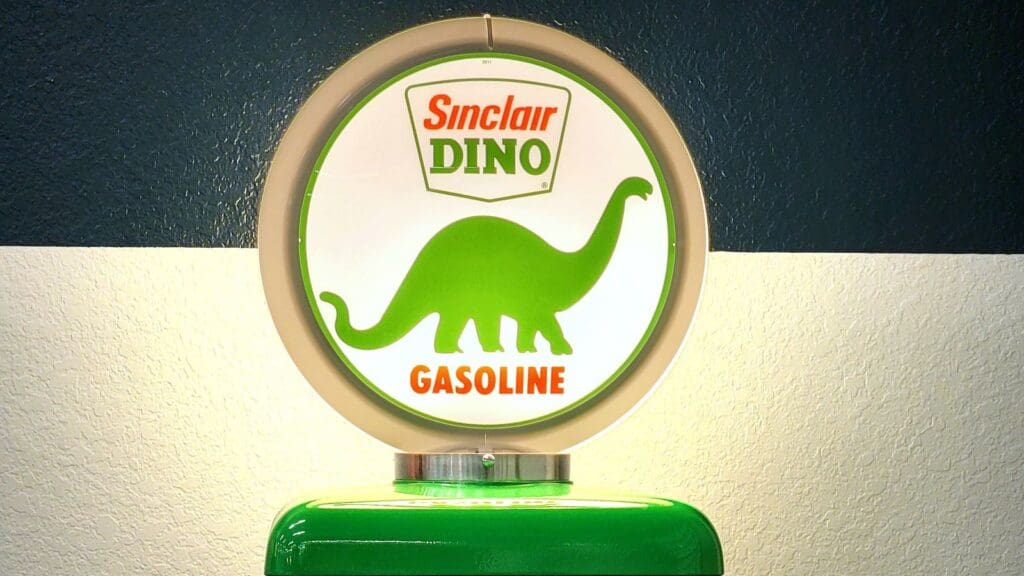
Sinclair Sent Dino Home With Customers
Sinclair turned its dinosaur mascot into a take-home premium. A history feature describes a plastic Dino bank that was free at Sinclair service stations. The bank was meant to encourage drivers to fill up with Sinclair gas. Its coin slot also gave kids a reason to keep Dino around.
Marathon Put the Moon Landing in the Cupboard
Gas stations could also fill the kitchen cupboard. The Henry Ford documents Apollo 11 tumblers offered by Marathon around 1969. Libbey is listed as the maker. The series also covered the Apollo 12, 13, and 14 missions.
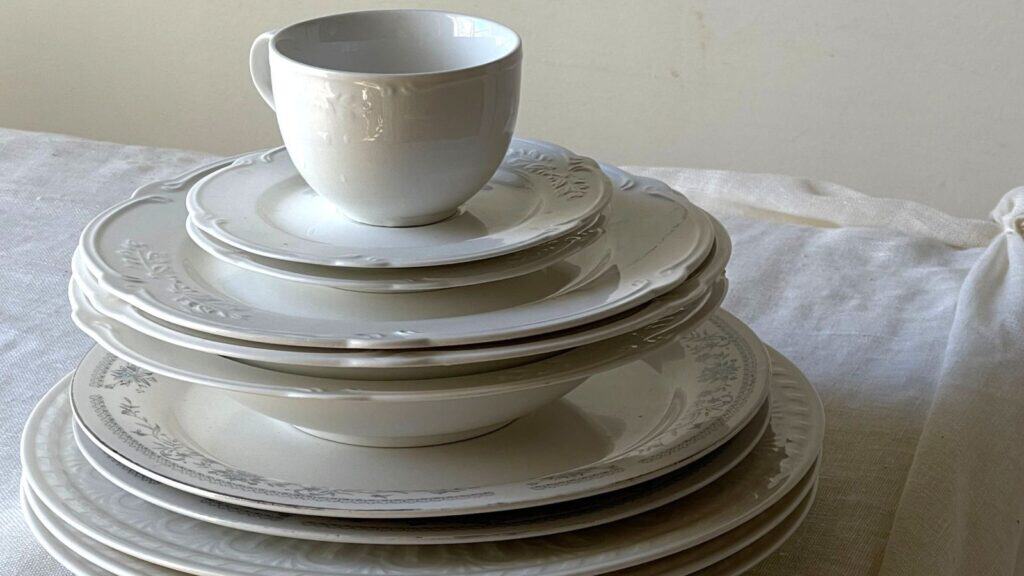
Gas Purchases Could Build a China Set
Dinnerware used the same repeat-visit pull. The International Museum of Dinnerware Design records a Kansas family’s account of a gas-station china promotion. Buying a set amount of gas earned a piece of tableware. Routine fill-ups could slowly build a set.
The Hess Truck Became a Holiday Purchase
Hess took a different route because its famous truck was not free. The company says the first Hess Tanker Trailer debuted in 1964. It was sold at Hess gas stations with no big TV or radio campaign. Station signs and small newspaper ads helped launch a holiday tradition.
Buddy L Built a Tiny Texaco Station
Texaco offered another paid toy in 1960 and 1961. The Lawrence County Historical Society says a gas purchase let customers request a free coupon. They mailed the coupon with $3.50 to get a Buddy L Texaco station. The set had opening bay doors, a car lift, and tiny station details.
Gulf Put Apollo 11 on the Kitchen Table
Space fever reached Gulf stations in 1969. A space-history writer documents a colorful card-stock Apollo Lunar Module model. It was handed out free with a fill-up at Gulf. Once built, the model gave kids their own small piece of the moon program.
Free Road Maps Filled the Glovebox
Long before phone navigation, oil companies put their logos on maps drivers could use. The Library of Congress documents free road maps collected from gas stations. Oil companies used the maps to encourage travel and draw drivers to their own stations. The free-map era faded after the 1973 oil embargo.
Why the Little Extras Mattered
Gas can feel like a basic purchase, but a reward gives people something to expect; that small surprise can make a stop easier to remember. Today, loyalty often lives in an app or account balance. These old promotions show why a reward can last longer when it also becomes a family memory.