
Tucked in a shoebox is a photo of your thumb, a crooked birthday cake, or a cousin caught mid-blink. You paid to have it printed, not knowing what was on the roll until you opened the envelope. One-hour photo labs sped up the suspense, but they never erased it. The click was only half the experience; the reveal came later.
The Drive-Through Booth in the Parking Lot
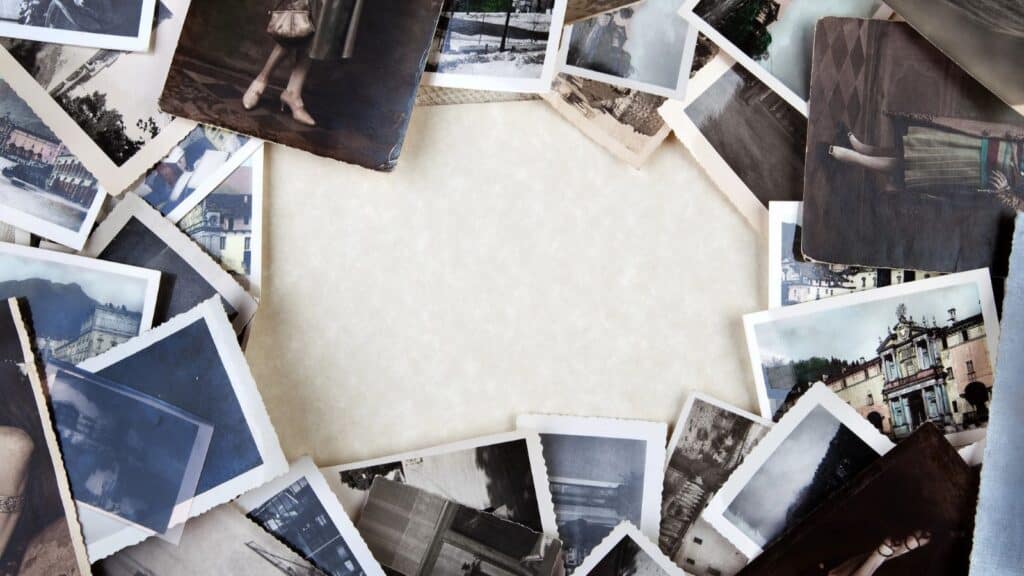
Fotomat made film drop-off feel like a fast-food errand. Its small kiosks sat in shopping-center lots so customers could drive up, hand over film, and return for prints as soon as the next day. The Library of Congress says more than 4,000 Fotomat kiosks operated in the 1980s. No store aisle. Just a tiny booth and a return trip.
‘Did They Even Come Out?’
You took the picture and then had to trust it. No screen showed whether everyone blinked or whether the flash fired at the wrong moment. Even one-hour service left a gap between taking the shot and knowing if it worked. That uncertainty made pickup feel like a reveal.
The Negatives Tucked in the Back
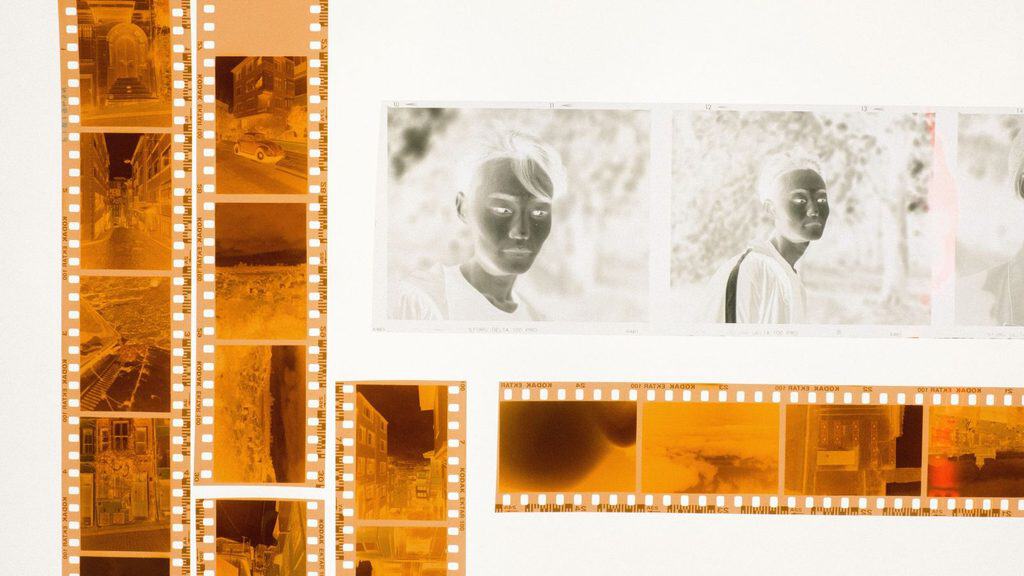
The paper envelope often held prints in front and sleeved negatives behind them. Those small brown frames mattered because negatives were used to make later prints. Losing them could make another copy harder to get. Plenty of envelopes went straight into drawers because there was no cloud backup.
Double Prints Meant One to Keep and One to Share
Double prints were the analog version of sharing. Ordering them gave you two copies of each picture from the roll, so you could keep one and hand the other to a friend or relative. Sharing happened across a table or inside an envelope.
The Disposable Camera You Grabbed at the Register
Kodak announced its first one-time-use camera, the Fling, in 1987. You could toss one into a beach bag, send one with a kid to camp, or leave a few on wedding tables without handing over the family camera. When the exposures were gone, the whole camera went in for processing.
One-Hour Photo Actually Felt Fast
One-hour processing was a real jump in speed. Noritsu says its 1976 QSS-1 made one-hour photo finishing possible. The wait that once stretched overnight could suddenly fit between errands. Shampoo, batteries, birthday card, photos.
The Red-Eye and Blur You Paid for Anyway
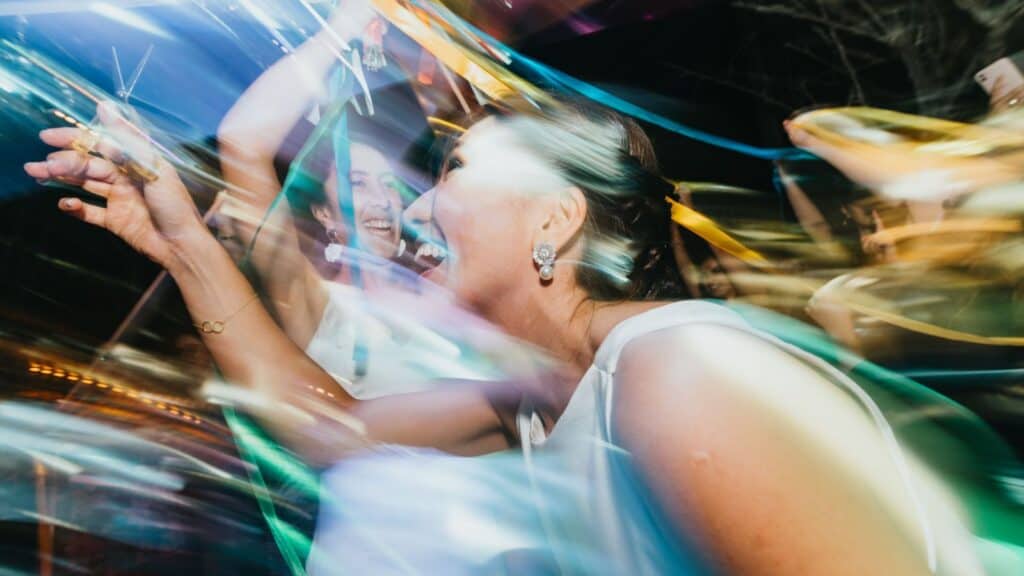
With a standard develop-and-print order, bad frames still landed in the stack. You could get half a face, motion blur, a ceiling, a thumb, or a group portrait with glowing red eyes. Nikon describes red-eye as the red spots that can appear in flash pictures. Digital cameras did not erase the effect, but preview screens and editing gave you chances film did not offer before pickup.
Opening the Envelope Before You Got Home
Keeping the envelope sealed took discipline. You could peel it open at the counter or in the car. The first pass was instant triage: keep, duplicate, frame, give away, or never show anyone. Even the bad pictures could survive long enough to become memories. A blurry shot that would be deleted today could spend years in a drawer.
The Kodak Moment Became Its Own Kind of Memory
“Kodak moment” became shorthand for the kind of scene you wanted to capture before it disappeared. Back then, the phrase fit the ritual: notice the moment, use one frame and hope you caught what mattered. The picture arrived later, giving the moment a second life when the envelope opened.
The Pause Was Part of the Picture
Speed fixed a real inconvenience. The success of one-hour labs showed that faster processing had real appeal, and digital cameras eventually made waiting optional. What disappeared was the clean break between taking a picture and judging it. For a little while, the moment had to exist without instant proof. That delay could be annoying, but it also meant the first look at a photograph still felt like an event.