
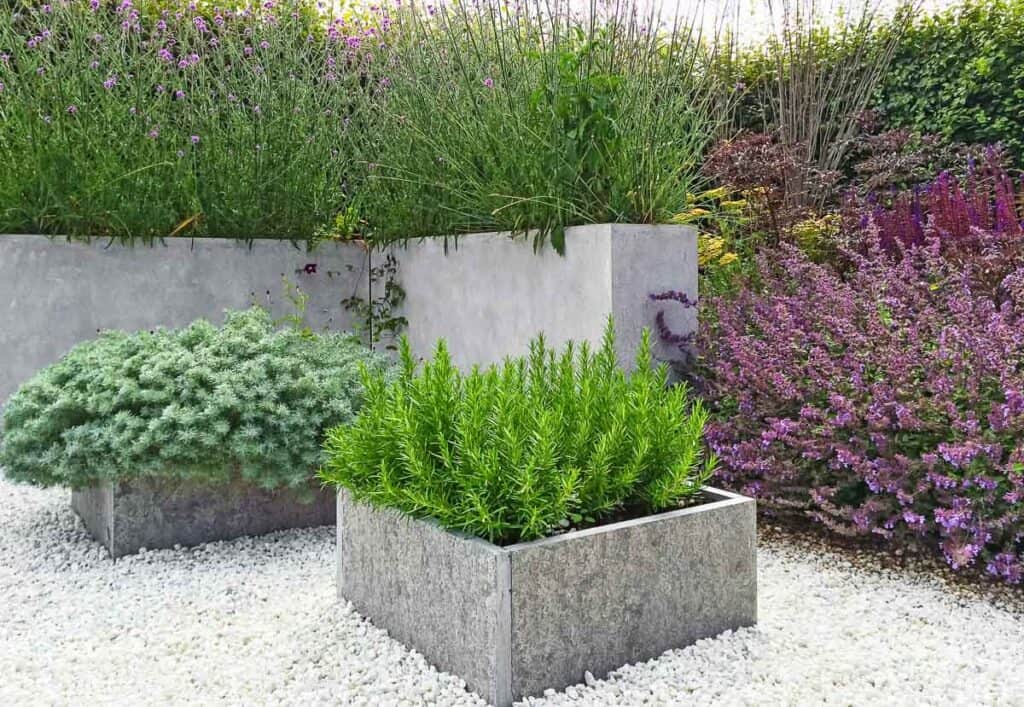
Gravel gardens dominate front yards this spring, giving grass some real competition. The method spreads across the United States in 2026 as public garden displays and new guidance show homeowners what it looks like in real yards. Built with mineral mulch and drought-tolerant perennials suited to fast-draining soils, these plantings keep weeds in check and reduce watering, leaving fewer reasons to drag out the hose every weekend.
This post may contain affiliate link(s). As an Amazon Associate, I earn from qualifying purchases. See Disclosures.
Once limited to specialist collections, gravel planting goes into everyday use as major public gardens build full-scale beds and horticulturists publish practical guides. Spring 2026 marks a breakout moment, with places like Chanticleer, Olbrich Botanical Gardens and The Scott Arboretum and Gardens showing gravel plantings that make the approach less intimidating.
Gravel planting expands beyond niche gardens
Gravel-based planting draws wider attention in spring 2026 as public installations and new guidance bring it into everyday yard design. According to the Pennsylvania Horticultural Society, interest has grown alongside the work of horticulturists such as Jeff Epping, whose upcoming book, titled “The Gravel Garden: Visionary, Drought-Defying, Naturalistic Designs,” scheduled for release in June, adds to the available knowledge for homeowners.
Demonstration sites and public plantings move gravel planting beyond specialist use. These spaces present examples across a range of climates and soil types, giving visitors a clearer sense of how layouts, plant choices and upkeep hold up outside controlled settings. Seeing these systems in place makes it easier to picture how they might work in a residential yard.
The appeal also connects to rising interest in lowering water use without reworking an entire landscape. Sections of a yard can be updated gradually, which allows homeowners to test the method without committing to a full redesign. This step-by-step adoption brings gravel planting into more common residential use.
Mineral mulch supports drought-tolerant plantings
Gravel gardens use a layer of stone instead of organic mulch, creating a surface that drains quickly and keeps less moisture near the top. This environment suits plants adapted to dry conditions, as roots grow deeper into the soil rather than spreading close to the surface.
Drought-tolerant perennials such as lavender, salvia, echinacea and sedum are commonly used because they handle lower water levels and develop strong root systems. Lean soil also slows weed growth compared with heavily amended beds, though occasional removal remains part of upkeep.
As plants establish, deeper roots draw moisture from below the surface, reducing the need for frequent watering. Many species also spread or reseed over time, limiting the need for repeated planting and helping maintain coverage across the bed.
Low-water planting reduces irrigation needs
Gravel-covered beds slow moisture loss at the surface, which improves water retention between watering cycles. This matters for households, since outdoor use accounts for about 30% of total water consumption in the United States. Plant choices also affect demand, as species suited to drier conditions require less supplemental watering once established, reducing reliance on irrigation systems. Minimized use can lead to lower water bills and less strain on equipment during peak periods.
Maintenance looks different under this approach, as stone mulch does not decompose like bark but may need periodic leveling or topping up. Weed growth is more limited, cutting back the time spent on routine upkeep compared with traditional planting areas.
Gravel gardens appear in small yard sections
Homeowners start with smaller sections rather than converting entire yards at once. Gravel planting often appears along borders, in front-yard sections or in lawn areas that see limited use. This allows people to try the system without committing to a full redesign.
Plant combinations vary by region, with early users selecting species that can handle local climate patterns. These sections are often added alongside existing landscaping, making it possible to update a yard gradually instead of replacing it all at once. Landscape designers are also incorporating gravel beds into broader plans, introducing the method in a more structured way. Adoption grows as results become visible, prompting homeowners to expand these areas once plants settle in and maintenance eases.
Home landscapes shift toward practical use
Gravel gardens suggest a broader change in how outdoor spaces are planned, with more attention on what can be maintained over time rather than what looks best in the moment. That shift comes from growing pressure to balance time, cost and effort in everyday home decisions, not just in landscaping. As that mindset becomes more common, yards may increasingly be built around durability and day-to-day use, changing what homeowners expect from their space.
Mandy writes about food, home and the kind of everyday life that feels anything but ordinary. She has traveled extensively, and those experiences have shaped everything, from comforting meals to small lifestyle upgrades that make a big difference. You’ll find all her favorite recipes over at Hungry Cooks Kitchen.