
Grocery shopping runs on habit, and the cucumber that rolls into your cart rarely gets a second thought. It should, along with a long list of other staples that have kept food-safety officials busy. Here is what sits behind the foods you buy on autopilot.
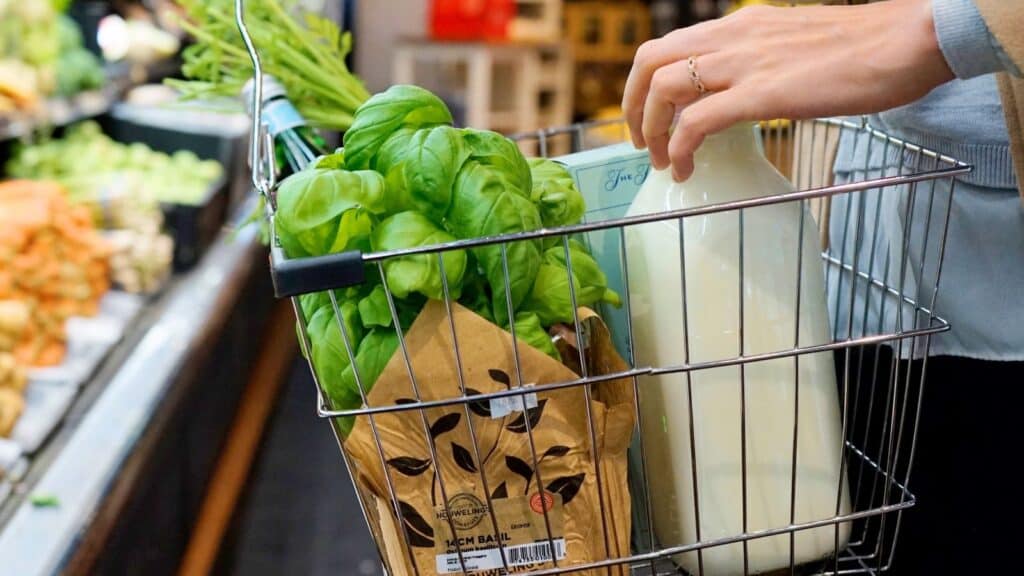
Consumer Reports’ April 2025 analysis of 2024 data weighed illnesses, outbreak reach, recalls, and recalled volume using CDC, FDA, and USDA data. Ten foods below come from that analysis; three come from its 2023 review of 2017 through 2022.
Deli Meat
Consumer Reports counted 165 illnesses, 87 hospitalizations, and 10 fatalities across 2024 deli-meat incidents. Listeria can grow at refrigerator temperatures, while slicers and other frequently handled equipment create opportunities for cross-contamination. Heating deli meat until steaming hot reduces risk.
Cucumbers
Two 2024 salmonella outbreaks tied to cucumbers produced 664 illnesses and 173 hospitalizations in Consumer Reports’ tally. The FDA traced incidents to whole cucumbers and products containing sliced cucumbers. Washing and peeling can reduce contamination, but neither guarantees its removal.
Raw Milk and Raw Milk Cheese
Two outbreaks linked to raw farm products caused 182 illnesses and 29 hospitalizations. Pasteurization kills harmful germs that raw milk can carry. Federal aging rules for raw-milk cheese do not eliminate every risk, as the 2024 cheddar outbreak demonstrated.
Cotija and Queso Fresco
A long-running listeria outbreak linked to Rizo-López Foods caused 26 illnesses, 23 hospitalizations, and two fatalities. Soft, moist cheeses can support listeria growth, so people at higher risk should choose pasteurized options and follow current public-health guidance.
Eggs
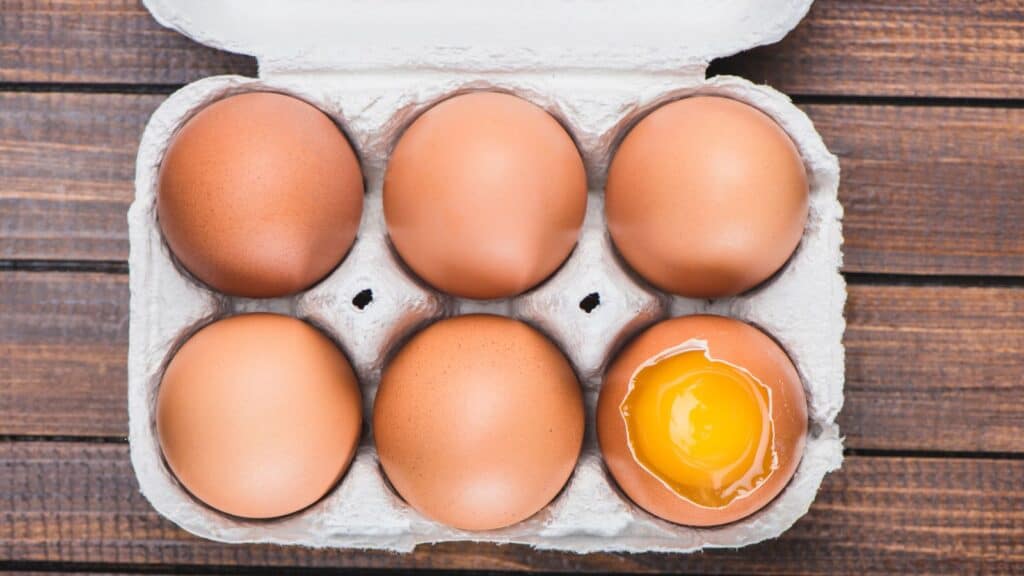
The 2024 egg entry covered 93 illnesses and 34 hospitalizations. A Milo’s Poultry Farms outbreak prompted the recall of millions of eggs, while a separate Costco recall had no reported illnesses. Cook eggs until whites and yolks are firm, or use pasteurized eggs for uncooked recipes.
Onions
Fresh onions served on McDonald’s Quarter Pounders were associated with 104 illnesses, 34 hospitalizations, and one fatality in 2024. Investigators linked the outbreak to slivered onions supplied by Taylor Farms, not to every onion or every McDonald’s menu item.
Leafy Greens
Spinach and a romaine-iceberg blend were linked to 117 illnesses, 36 hospitalizations, and one fatality in Consumer Reports’ 2024 data. Contaminated irrigation water and nearby livestock operations can expose greens before they reach a kitchen.
Organic Carrots
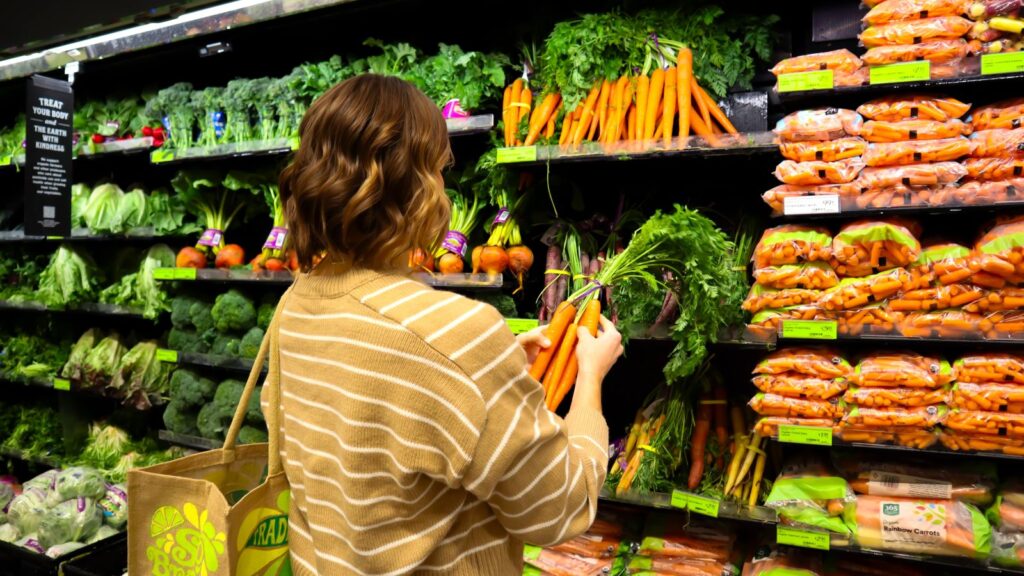
An E. coli outbreak linked to Grimmway Farms organic carrots caused 48 illnesses, 20 hospitalizations, and one fatality across 19 states. The episode also shows that an organic label does not protect produce from bacterial contamination.
Organic Basil
Packaged organic basil from Infinite Herbs was connected to 36 Salmonella illnesses and four hospitalizations across 14 states. Fresh herbs are commonly eaten raw, so cooking offers more protection than rinsing alone.
Cooked Poultry and Meat
Federal testing found listeria in BrucePac ready-to-eat products, leading to a recall of nearly 12 million pounds in 2024. No illnesses were reported, but the incident illustrates how one supplier can send an ingredient into many prepared foods and brands.
Ground Beef
Consumer Reports’ earlier review linked ground beef to 643 illnesses, two fatalities, 22 recalls or outbreaks, and about 13.7 million pounds recalled from 2017 through 2022. Grinding can distribute surface bacteria throughout the meat, making thorough cooking essential.
Papayas
Papaya outbreaks and recalls in the 2017-to-2022 review accounted for 332 illnesses and two fatalities. The fruit was linked to 12 separate events, showing how contamination associated with a single produce category can recur across seasons and suppliers.

Peaches
Peaches were tied to 101 illnesses and six recalls or outbreaks in the earlier review. More than 113 million pounds were recalled, a reminder that recalled volume and the number of confirmed illnesses measure different parts of an incident’s scale.
Risk Travels Beyond One Label
Food-safety data cannot predict what will be recalled next, and a past outbreak does not make every package unsafe. It does, however, show why brand loyalty is a weak defense when one grower or processor supplies many labels. Checking the FDA’s current outbreak advisories turns a broad warning into an actionable check of product, lot, and purchase date.