
Strawberries don’t need a backyard to thrive. With just sun, soil and a little attention, they grow just as well in raised beds as they do in buckets on a balcony. This makes them a perfect pick for gardeners with limited space.
This post may contain affiliate link(s). As an Amazon Associate, I earn from qualifying purchases. See Disclosures.
A small setup can turn into weeks of fresh fruit. That’s the beauty of planting strawberries in containers, corners or compact beds. No yard? No problem.
Why strawberries suit small spaces
Strawberries are naturally compact and shallow-rooted, which makes them a smart fit for urban gardeners. They grow well in containers, thrive in raised beds and adapt to a range of sunlight and space conditions. When given the right care, they grow back each year.
Containers that work
Container gardening makes it easier to manage water, soil and pests. An Almanac article mentions that it’s an excellent choice for beginners because it is easy to care for and feels less intimidating. It’s mobile too — you can chase sunlight or move plants indoors if a frost rolls in. Raised beds provide excellent drainage and help cut down on weeds, both of which make maintenance easier in tighter areas.
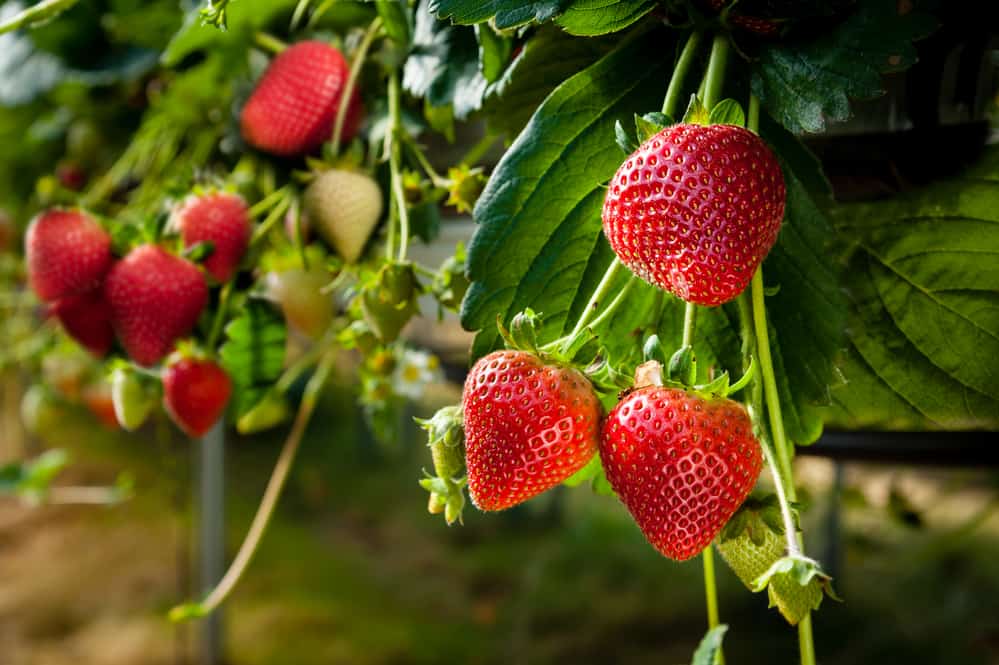
The right container makes a difference. Go for one that’s at least 8 to 12 inches deep and includes drainage holes. Strawberries don’t root deeply, but they spread out. Hanging baskets, grow bags and terra cotta pots all work well. Hanging baskets, in particular, free up ground space and let strawberries cascade over the edges, which looks good and helps with airflow and harvesting.
Grow bags are ideal for renters or anyone looking for portability. They’re light, affordable and easy to tuck into sunny corners.
Start a raised bed
If you have a bit of ground to work with, raised beds offer an excellent foundation for strawberries. They keep things organized, improve drainage and allow you to control soil conditions. A simple 4-by-4-foot bed can produce a steady stream of berries through the warmer months.
Use untreated wood or stone to frame the bed, then fill it with compost-rich soil. Strawberries prefer slightly acidic conditions and benefit from plenty of organic matter. Position the bed where it gets at least six hours of direct sunlight a day. Healthy soil and strong sun exposure make all the difference when it comes to berry flavor and yield.
Pick the right variety
Not all strawberries grow the same way. There are three types: June-bearing, everbearing and day-neutral. June-bearing plants produce a large, once-a-season crop, usually in early summer. Everbearing plants yield two or three smaller rounds of berries. Day-neutral varieties keep producing fruit through most of the growing season.
For containers or compact gardens, many growers choose day-neutral or everbearing types. They keep the harvest going and give you a reason to check your plants all season long. Popular picks like Albion, seascape and Ozark beauty work well in small spaces and are widely available.
In the words of Whitney and Erick, choosing the right variety can mean the difference between one good week of berries and several months of fresh, homegrown sweetness. Whether you’re growing in beds, pots or a sunny corner of the yard, a few planting basics go a long way.
How to plant
Early spring is the ideal time to plant strawberries. Wait until the last frost has passed, then place your plants with the crown just above the soil line. That’s where the leaves meet the roots. Burying it too deep risks rot; planting too shallow can dry out roots.
In containers, space plants about 8 inches apart. In raised beds, leave about a foot or more between them. This gives runners room to stretch and new plants space to grow. Use compost-enriched soil with good drainage and aim for a slightly acidic pH. Strawberries don’t like soggy roots, so avoid heavy, clay soil if possible.
Everyday care
Strawberries like moist soil, but not wet feet. Check the soil regularly, especially in containers, which dry out faster than ground beds. During hot spells, you may need to water every day.
Feed your plants with a water-soluble, balanced fertilizer every few weeks while they’re actively growing. Mulch with straw, pine needles or bark to help the soil hold moisture and to keep berries clean. Remove any runners if you want your plant to focus on fruit, or let them root if you’re aiming to expand your patch.
Check plants regularly for signs of pests like aphids or slugs, and watch for diseases like powdery mildew. Good airflow and clean tools go a long way toward prevention.
Harvest and enjoy
Strawberries are ready when they’re fully red and firm to the touch. Pick them early in the morning when they’re still cool, and avoid washing them until just before eating. The fresher the better — most homegrown berries don’t last long, and that’s part of the joy.
Regular picking encourages more fruit. Keep an eye on ripening berries, and harvest often. Don’t forget to share — few things are more convincing than a sun-warmed strawberry handed to a neighbor.
What makes it worthwhile
Growing strawberries isn’t just about the fruit. It’s about a daily connection to something alive, the satisfaction of nurturing plants from root to bloom to harvest. It’s about turning a balcony into a mini orchard or turning one corner of your backyard into a source of sweetness. In small spaces, every inch matters. So does every choice. From the container you pick to the variety you plant, every part of the process gives something back. And when the first berries ripen under the sun, the reward is simple, real and close enough to taste.
Zuzana Paar is the creator of Sustainable Life Ideas, a lifestyle blog dedicated to simple, intentional and eco-friendly living. With a global perspective shaped by years abroad, she shares everyday tips, thoughtful routines and creative ways to live more sustainably — without the overwhelm.