
For centuries, America’s fall apple harvest has been related to cider-making, a seasonal connection that predates modern marketing by several generations. Cider was a staple of American farm life each fall, pressed from orchard fruit and fermented into one of the most broadly consumed beverages of early American life. The 2026 apple harvest underway is repeating that cycle, and its history runs through some of the most recognizable names in the American story.
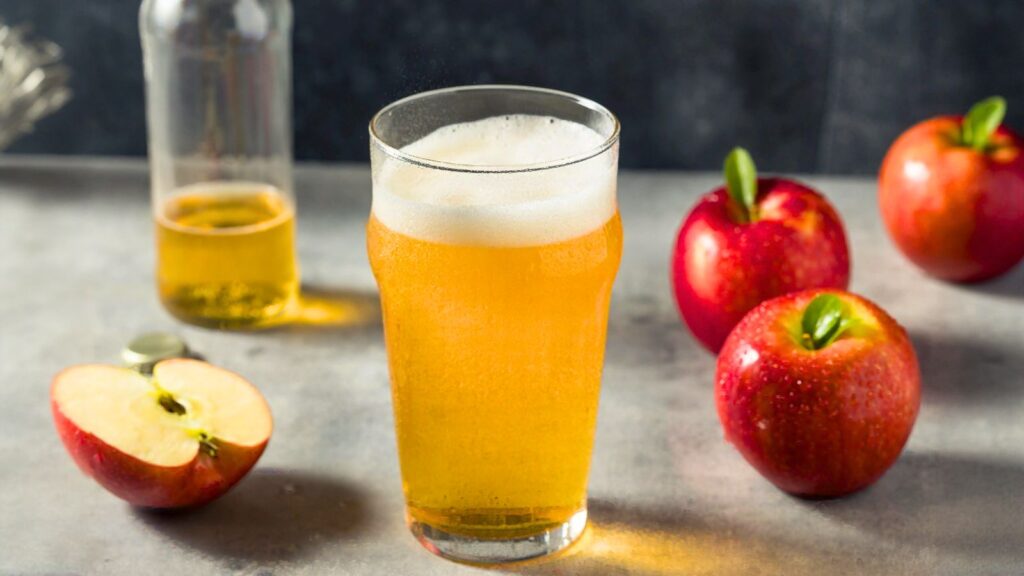
Most iconic fall drinks have a documented commercial origin. The Pumpkin Spice Latte was tested in select markets in 2003, and Oktoberfest traces to an 1810 Munich royal wedding that evolved over decades into the beer festival it is today. Hard cider’s autumn association has no equivalent starting point. It came from the orchard.
The harvest behind it
America’s 2026 apple harvest is underway. USApple’s Industry Outlook for the 2026/27 crop year projects national production at 263 million bushels, 7% below the previous season. Harvest timing varies by region and variety, but autumn remains the primary apple-harvesting window across most American growing regions, as it has for centuries.
Fall cider-making at colonial orchards followed a seasonal logic that extended from autumn pressing through spring consumption. Colonial orchards commonly pressed apples in fall, and the juice fermented into cider intended for the colder months ahead. Freshly pressed juice needed fermentation, a process that could take weeks to months depending on temperature, yeast and desired strength, so October marked the start of that cycle rather than its end.
The cider drawn from autumn pressing carried the quality of new fruit, distinct from what had been drawn all year from an aging store. October was the start of the cycle, not a point along it.
What cider meant
In this country’s early decades, hard cider was central to daily life in many communities. Historical estimates from around 1790 put per-capita consumption of beer and cider combined at 34 gallons annually for people over 15, indicating how widely fermented beverages figured in the early American diet. Orchards and cider-making were common across colonial communities, particularly in the Northeast, and people often served cider with meals.
In many places, concerns about the reliability of local water sources contributed to cider’s appeal. However, its alcohol content varied considerably depending on fermentation time and method.
Colonists used cider in barter and local commerce. Taverns commonly stocked it alongside other beverages. Historical accounts describe a local man named Elias Brown selling cider to soldiers on both sides during a lull in fighting at the Battle of Concord in April 1775.
From Harvard to the White House
John Adams drank a gill of hard cider, about four ounces, each morning, a habit he later associated with his time at Harvard, where he described morning cider as common practice among students. The habit was unremarkable by the standards of his era, when cider was woven into daily American routines in a way few beverages are today. While serving as a diplomat in France and Holland, he wrote home lamenting that cider was unavailable. Late in life, he wrote that the only beverages he drank were cider, water and lemonade.
During George Washington’s 1758 Virginia House of Burgesses campaign, historical accounts document that about 144 gallons of refreshments were served to voters, including wine, rum, hard cider, punch and beer. Thomas Jefferson cultivated cider apples at Monticello, including the Taliaferro variety, which he called the best cider apple in existence. For prominent Americans of the era, cider was simply part of how people ate, drank and conducted their affairs.
When lager changed everything
Several factors contributed to cider’s decline as a dominant American beverage. German immigrants helped establish lager brewing in the United States from the mid-1800s and expanding commercial breweries, improved refrigeration and shifting urban tastes drove lager’s growth through the latter decades of the 19th century. Prohibition-era disruption, agricultural consolidation and broader economic changes in the beverage industry all contributed to cider’s diminishing role through the 20th century.
The October that never left
The American craft cider industry has grown steadily in recent decades, and October remains its most active production window. Cideries across major apple-growing regions time harvest releases to the fall crop, and seasonal interest in American cider follows the same agricultural logic that established autumn as the cider season to begin with.
The craft beverage movement’s emphasis on seasonal production and agricultural sourcing runs through cider as naturally as any other category. The autumn harvest calendar that gave American cider its original identity still governs when the modern industry does its most prominent work. The product has changed, but the schedule has not.
Jennifer Allen is a retired professional chef and long-time writer. Her work appears in dozens of publications, including MSN, Yahoo, The Washington Post and The Seattle Times. These days, she’s busy in the kitchen developing recipes and traveling the world, and you can find all her best creations at Cook What You Love.