
Heritage cuisine has become the defining restaurant story of this year. Chefs who cook from a specific cultural identity, based on personal history, lived geography and ancestral technique, are earning the industry’s top recognition and drawing diners away from menus built on novelty. For anyone who eats out regularly, it changes what a menu is actually telling you and what to look for when choosing where to spend your money.
This post may contain affiliate link(s). As an Amazon Associate, I earn from qualifying purchases. See Disclosures.
Diners are becoming far more selective about the stories that menus are selling. According to a flavor trend analysis, consumers increasingly value genuine ingredients with real cultural roots over fusion for fusion’s sake, and the restaurants best positioned to meet that demand are the ones cooking from a specific cultural identity rather than a generalized one. That appetite shows up across cuisines and price points, separating the restaurants that earn long-term loyalty from the ones customers try once and forget.
What heritage cuisine actually means
Heritage cuisine is not nostalgia plating, nor a greatest-hits menu of comfort food dressed up for a modern dining room. And it is not fusion, which borrows freely across cultures to create something new. It is cooking that can answer a specific question: Where does this food come from, not as a cuisine category, but as a place, a family, a lived experience? The answer might be a coastal state in southern India, a specific region of Mexico or a city street corner where the chef grew up eating.
A menu described as “modern Mexican” or “contemporary Indian” makes no geographic or personal promise, but one built on heritage is precise and accountable. A recent trends report found that 39% of U.S. consumers are now interested in trying Keralan cuisine specifically, which illustrates exactly how granular that demand has become.
The restaurants setting the standard
Three of the five finalists for the 2026 James Beard Outstanding Restaurateur Award are building from a named cultural address, a pattern that says more about where serious dining is headed than any trend forecast.
Chai Pani in Asheville, North Carolina, is the clearest example. Chef Meherwan Irani, who grew up in Maharashtra and came to the United States at 20, built his restaurant around the philosophy of the Indian street food hawker: a stripped-down, one-pot approach to cooking most American diners had never encountered. The food traces directly to the snacks and flavors of his upbringing, not the version of Indian cuisine American restaurants had long served. Chai Pani won the James Beard Outstanding Restaurant award in 2022, and Irani’s cookbook, drawn from the same personal food history, arrives in fall 2026.
Copra in San Francisco’s Fillmore district operates from an equally precise location in culinary terms. Michelin-starred chef Srijith Gopinathan, born in Kerala and raised in Tamil Nadu, built the menu around the spices, techniques and seafood traditions of Kerala, Tamil Nadu and Sri Lanka. The restaurant does not reach for Indian cuisine as a broad category, but for the specific coastal states where Gopinathan learned to cook.
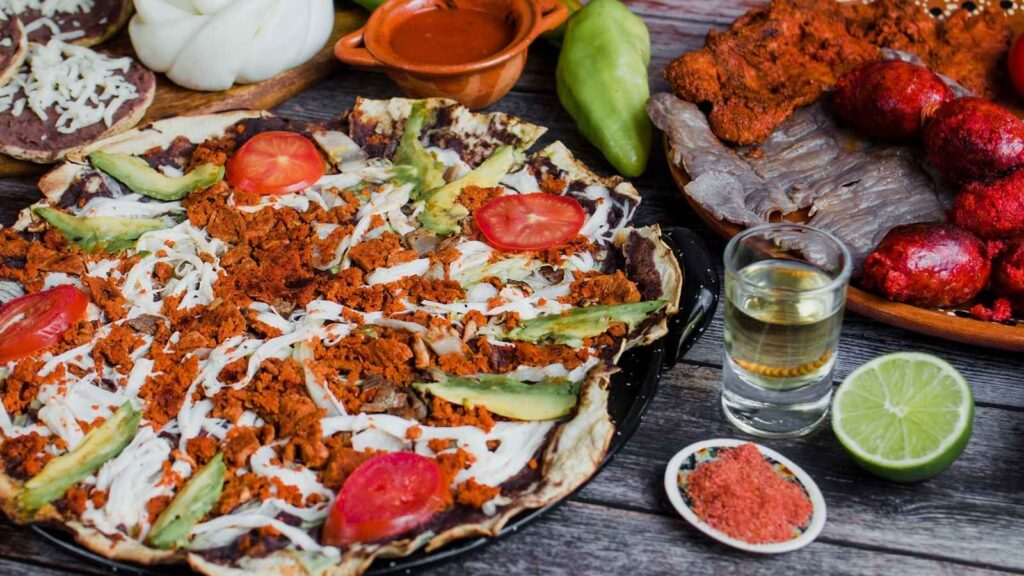
Chef Hugo Ortega, the first Mexican-born chef to win a James Beard Award, is at the helm of Xochi in Houston, Texas. Ortega learned mole from his grandmother and built Xochi as a direct expression of Oaxacan food culture: complex moles, handmade tortillas, cacao roasted and ground in-house, cheeses and salsas made entirely from scratch. Ortega and Tracy Vaught are 2026 James Beard Outstanding Restaurateur finalists.
Why diners are rewarding this
When social media can spread a food aesthetic globally in 48 hours, menus that chase the same trends start to look identical. A restaurant built on a chef’s specific cultural history cannot be replicated by someone who did not live it, and that irreproducibility has real value to diners who have grown tired of eating the same meal in different cities.
Calling something authentic on menus has become meaningless. What actually earns diner trust is specificity: named ingredients, traditional preparation methods and regional origins. Worldchefs, the global authority on professional cooking, founded in Paris in 1928, named heritage cuisine one of the defining food trends of 2026, documenting a broad reconnection with traditional recipes, techniques and regional flavors across markets, driven by a consumer desire for authenticity and cultural grounding.
What separates a heritage menu from a marketing label
The signals that a restaurant is cooking from genuine cultural identity are readable once you know what to look for, and named geography is the place to start. A menu that says Oaxacan, Kerala or Maharashtra makes a more accountable promise than one that says modern Mexican or contemporary Indian, because it commits the kitchen to a specific place and tradition rather than a general category. That accountability is the whole point.
Personal narrative in the menu language reinforces it. When a dish traces back to who made it first, a grandmother’s recipe, a street food memory, a family preparation method, the kitchen is telling you the food has a verifiable history. The more precise the history, the clearer the intention behind the menu.
Technique is the most reliable confirmation: a mole made from scratch, bread traditions from a particular region and fermentation methods native to a specific food culture. These take years to learn and cannot be assembled from a recipe. A menu built around them is making a promise, and in 2026, that promise is exactly what diners are paying for.
Jennifer Allen is a retired professional chef and long-time writer. Her work appears in dozens of publications, including MSN, Yahoo, The Washington Post and The Seattle Times. These days, she’s busy in the kitchen developing recipes and traveling the world, and you can find all her best creations at Cook What You Love.