
The hobbits of Middle-earth eat their way from breakfast through supper, treating food as one of life’s great pleasures, a commitment that has earned them no shortage of affectionate ridicule. The second breakfast at the center of that schedule turns out to be older, more widespread and more stubbornly human than the laughter it usually gets. On Hobbit Day, the more interesting story turns out to be the one Tolkien was borrowing from.
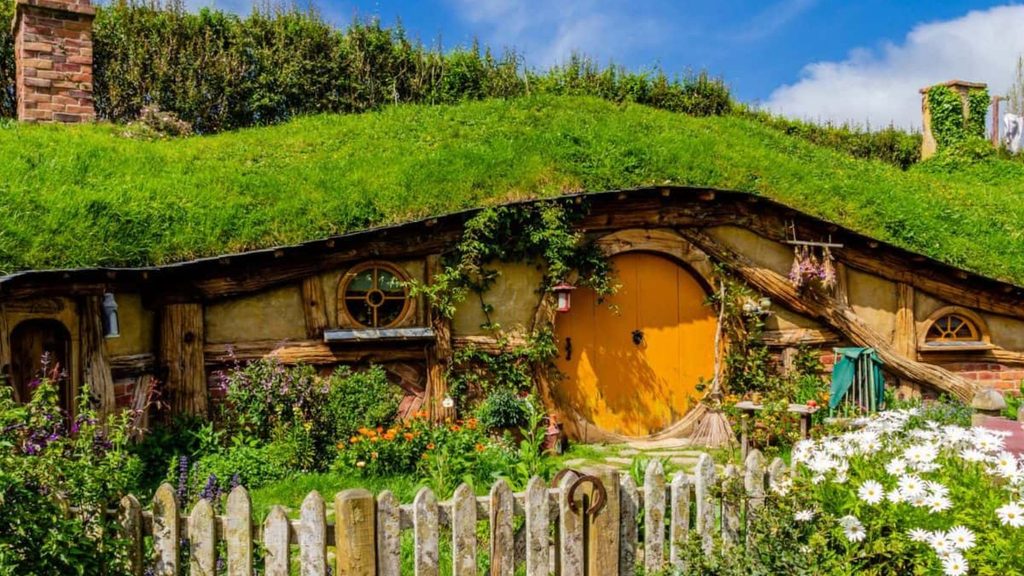
Sept. 22 is Hobbit Day, the shared birthday of Bilbo Baggins and Frodo Baggins. Tolkien set Bilbo’s birth in T.A. 2890 and Frodo’s in T.A. 2968, both on Sept. 22. The American Tolkien Society designated the day in 1978. Yet Tolkien did not invent the underlying customs of a second breakfast or a late-morning snack. He adapted familiar British meal patterns into the Shire’s famously elaborate routine.
Tolkien’s prologue describes hobbits as fond of six meals a day. The seven-meal list most people know, breakfast, second breakfast, elevenses, luncheon, afternoon tea, dinner and supper, comes from Peter Jackson’s film adaptation, where Pippin recites it with the urgency of someone defending a way of life. For British readers familiar with the habits Tolkien was drawing on, the joke had a different edge. The hobbits’ meal schedule was exaggerated, but the underlying idea was not.
What Hobbit Day is actually celebrating
In 2026, the autumnal equinox falls on Sept. 22 in North American time zones, the same day as Hobbit Day. The timing is fitting, as the celebration centers on food, and food is what hobbits focus on. The Shire’s food culture draws on recognizable English rural and domestic imagery. The meals accumulate through the day not out of gluttony but genuine pleasure in eating well, exaggerated just enough to be funny.
How elevenses got its name
A related form, “elevens,” is documented in a Suffolk agricultural account from 1849, where it referred to a short mid-morning refreshment break taken by farm workers. Earlier forms such as “elevener” have also been reported in 19th-century sources. As work patterns changed across the 19th century, mid-morning refreshment breaks appeared more broadly in accounts of agricultural and working life.
Pooh regularly looked forward to a little something at eleven o’clock, usually honey or condensed milk, with bread optional. Paddington’s own mid-morning ritual is associated with cocoa, buns and his ever-present marmalade sandwiches. Both stories used a meal pattern that was already recognizable in English life, which is precisely why both still resonate.
The name has faded from some workplaces, but the habit of a mid-morning tea, coffee or snack remains familiar in Britain. Americans, it turns out, are meeting that need in their own way.
Americans eat second breakfast without calling it that
Between-meal eating is widespread in the United States, even though the mid-morning version rarely gets a distinct name. Nearly 8 in 10 U.S. adults, or 79%, snack between meals at least once a day, a figure that has climbed four percentage points since 2020. The share doing it multiple times a day has reached 54%, the highest recorded since tracking began in 2015.
Snacking between breakfast and lunch specifically ticked back up to 15% in 2026 after a dip in 2024. Unlike fika and some British tea-break traditions, American between-meal eating is less often described through a single shared cultural term.
Other cultures built the same pause into the day
Many cultures developed their own versions of a mid-morning or between-meal break. Sweden built an entire cultural institution around it. Fika, whose name is widely believed to come from a 19th-century reversal of “kaffi,” an older form of the Swedish word for coffee, is a daily pause for coffee and something sweet. Many Swedish workplaces schedule a morning fika and an afternoon fika, though timing and frequency vary. Stepping away is often encouraged, and fika is widely treated as a social pause rather than a solitary one.
Bogotá’s onces santafereñas offer a useful contrast: a typically afternoon social break taken toward the end of the day before dinner, built around foods such as hot chocolate, cheese and almojabanas. One widely repeated, undocumented story holds that monks used “onces” as a code for sneaking out to drink aguardiente, a distilled spirit strongly associated with Colombia. The tradition shows that the impulse to give a snack break its own name and identity runs across cultures, even when the timing is completely different.
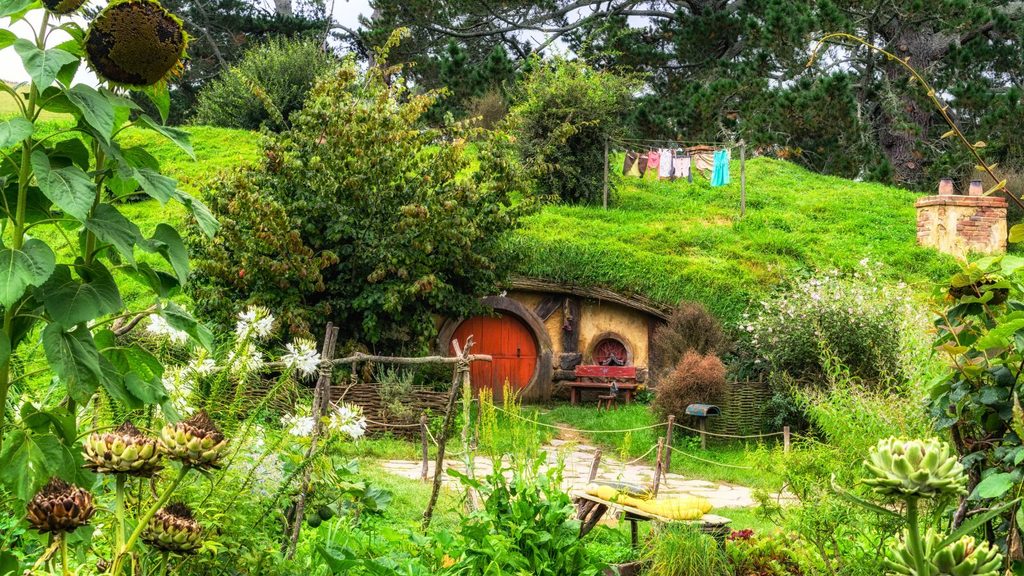
Britain is hardly alone in giving the late-morning snack a place in the daily schedule. Poland has drugie śniadanie, Hungary has tízórai, Slovakia has desiata and Bavaria has zweites Frühstück, which can include bread, cold meats, pretzels and cheese. Their histories and settings vary, including agricultural, school and workplace contexts.
Second breakfast was always real
Across these traditions, the food varies and the timing can change, but the underlying idea is familiar. A pause for food can be part of the day rather than an interruption to it. Tolkien took that familiar British habit and gave it a fictional home where eating became part of the culture itself. Pippin’s appetite may be comic, but the idea behind it was real long before a hobbit ever asked for second breakfast.
Jennifer Allen is a retired professional chef and long-time writer. Her work appears in dozens of publications, including MSN, Yahoo, The Washington Post and The Seattle Times. These days, she’s busy in the kitchen developing recipes and traveling the world, and you can find all her best creations at Cook What You Love.