
Humans may have been cooking pancake-like flat foods for tens of thousands of years, but researchers are only now beginning to explain why the ritual around them can feel like more than just breakfast. The answer, the research suggests, has more to do with memory and connection than with anything in the batter. National Pancake Day falls on Sept. 26 this year, and there has never been a better reason to make a proper stack.
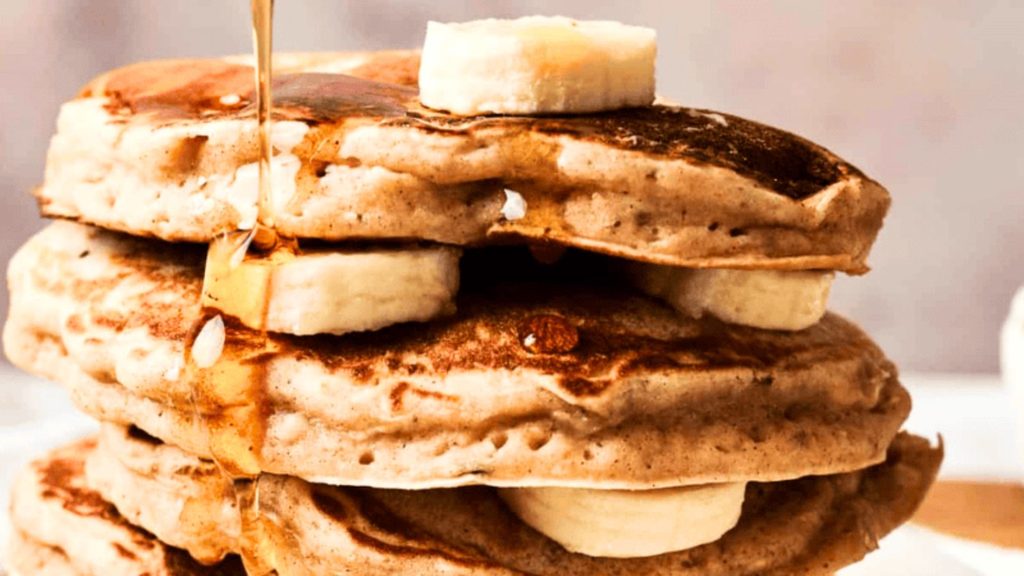
Analyses of starch grains on grinding tools suggest that Stone Age people may have processed plants, including cattails and ferns, into flour. They then mixed it with water and baked it on a hot rock, making flat cakes among the earliest possible examples of flour-based food preparation.
Researchers caution that the result may have been closer to hardtack than anything resembling a modern pancake. Ötzi the Iceman ate ground einkorn wheat as part of his final meals about 5,300 years ago. The bits of charcoal in his digestive tract have led researchers to speculate that the grain may have been cooked into a pancake-like preparation over an open fire.
Ancient Greeks sweetened their pancakes with honey, and Elizabethans flavored them with spices, rosewater, sherry and apples. American colonists made regional cornmeal flatbreads that became known as johnnycakes, with some versions sweetened with molasses. No food trend has managed to dislodge the stack. The question worth asking is what makes it so permanent.
Pancakes outlast every breakfast trend
Pancake consumption indicates a broader pattern in how Americans eat. A May 2026 industry analysis found that 79% of Americans eat breakfast foods outside traditional morning hours. It also reported that breakfast-positioned food launches rebounded 10% in the rolling 52 weeks ending April 2026, identifying nostalgia and heritage profiles as important themes in the renewed activity.
Pancakes sit squarely at the center of both forces. They are familiar enough to satisfy the craving for something reliable, and open enough in format to absorb whatever a given food moment demands of them.
The science behind the Saturday morning feeling
Research explains what most people already sense about pancakes but rarely put into words. A 2025 study found that nostalgic food experiences increased feelings of comfort, in part because they strengthened people’s sense of social connectedness. The effect appeared even when participants only imagined eating the food rather than consuming it.
Pancakes fit that pattern unusually well. The Saturday morning ritual, the first imperfect one that goes to whoever is standing nearest the stove, the debate over toppings. These are the kinds of food memories that can turn an ordinary dish into a comfort food. It is less about the batter and more about what the batter has always meant.
A food that keeps reinventing itself
What makes the pancake unusual is that nostalgia has never been its only story. The basic idea of a batter cooked on a hot surface has absorbed every food era without losing its core identity.
Fluffy Fluffy Café, a Japanese souffle pancake concept made with whipped egg whites for a towering, airy texture, had 16 U.S. locations as of early 2026 and is targeting further expansion. High-protein options like cottage cheese pancakes have positioned the food for fitness-minded consumers. Savory preparations have pulled the pancake beyond the morning. Each iteration finds its own following, and none of them has displaced the original.
The holiday with a complicated origin story
The Sept. 26 date started in 2005 as Lumberjack Day, a grassroots food holiday created by two friends looking for an excuse to eat pancakes and waffles together, inspired by International Talk Like a Pirate Day, which falls the week before. The observance was also called National Pancake Day in 2013, broadening its appeal beyond its original fan base.
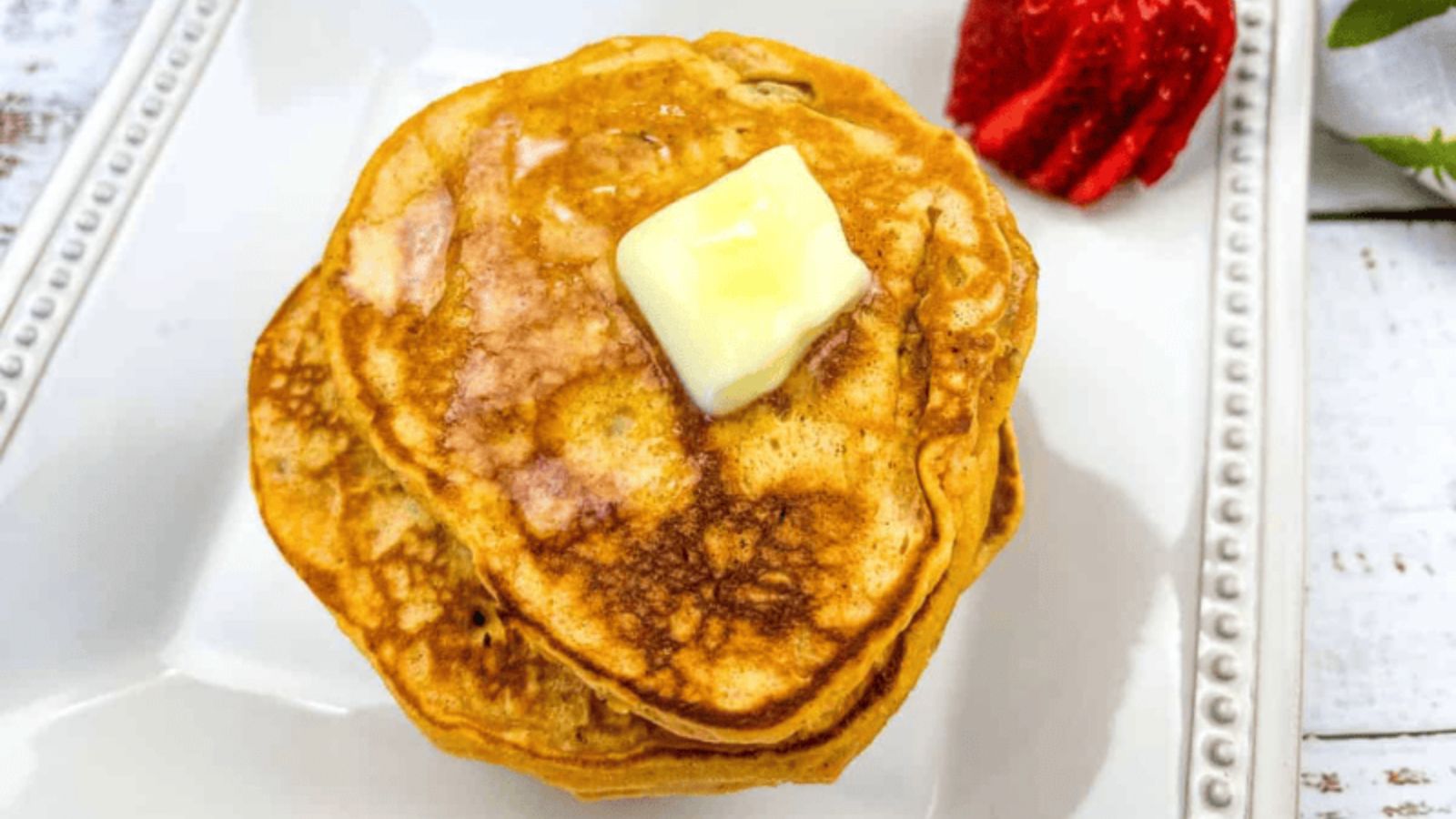
IHOP launched its own National Pancake Day in 2006 as a charity fundraiser and now holds it on the first Tuesday of March. The two observances share a name and a focus on pancakes, but they have different origins, dates and purposes. IHOP and news reports have said its National Pancake Day campaigns raised more than $30 million for children’s charities by around 2020, making it a long-running food-industry charity promotion. Americans, it turns out, will celebrate pancakes twice a year without complaint.
Worth celebrating for a reason
Science now has language for what Saturday mornings have always demonstrated on their own. The research suggests that food becomes especially comforting when it carries memories and a sense of connection. Pancakes have always been both. That is reason enough to fire up the griddle on National Pancake Day and make a proper stack.
Jennifer Allen is a retired professional chef and long-time writer. Her work appears in dozens of publications, including MSN, Yahoo, The Washington Post and The Seattle Times. These days, she’s busy in the kitchen developing recipes and traveling the world, and you can find all her best creations at Cook What You Love.