
Out of honey right when you need it most? Good news: there are plenty of honey substitutes that mimic the sweetness, cling and shine you love. Whether you’re vegan, watching sugar or just stuck mid recipe, your pantry has options.
This post may contain affiliate link(s). As an Amazon Associate, I earn from qualifying purchases. See Disclosures.
In this guide, I’ll show you which swap works best for tea, dressings, glazes and baking. We’ll cover flavor, thickness and how to tweak the ratio so your dish still tastes great. Think maple syrup, agave, date syrup, molasses and a few sleeper picks. Ready to sweeten things up without missing a beat?
Why you need honey
Honey serves a few purposes in the kitchen. Here are a few reasons why you need it:
- Honey is a humectant, which means it attracts and retains moisture. It helps baked goods like cookies, cakes and breads stay soft and fresh longer.
- It is a natural sweetener, but it also adds its own unique flavor.
- Honey balances the flavor of other ingredients. It softens the bitterness in sauces and other dishes. It also balances the acidity of vinegar and citrus.
- It helps with browning and caramelization in baked goods, giving them a golden color and slightly crisp texture.
- Honey acts as a natural binder in recipes like granola bars and cookies.
Common substitutes for honey
No honey, no problem. This section rounds up the most common substitutes for honey and shows where each one shines, whether you need a drizzle for tea, a sticky glaze or a reliable baking substitute. You’ll see how flavor, thickness and sweetness stack up, with quick tips to keep the texture right.
Real maple syrup
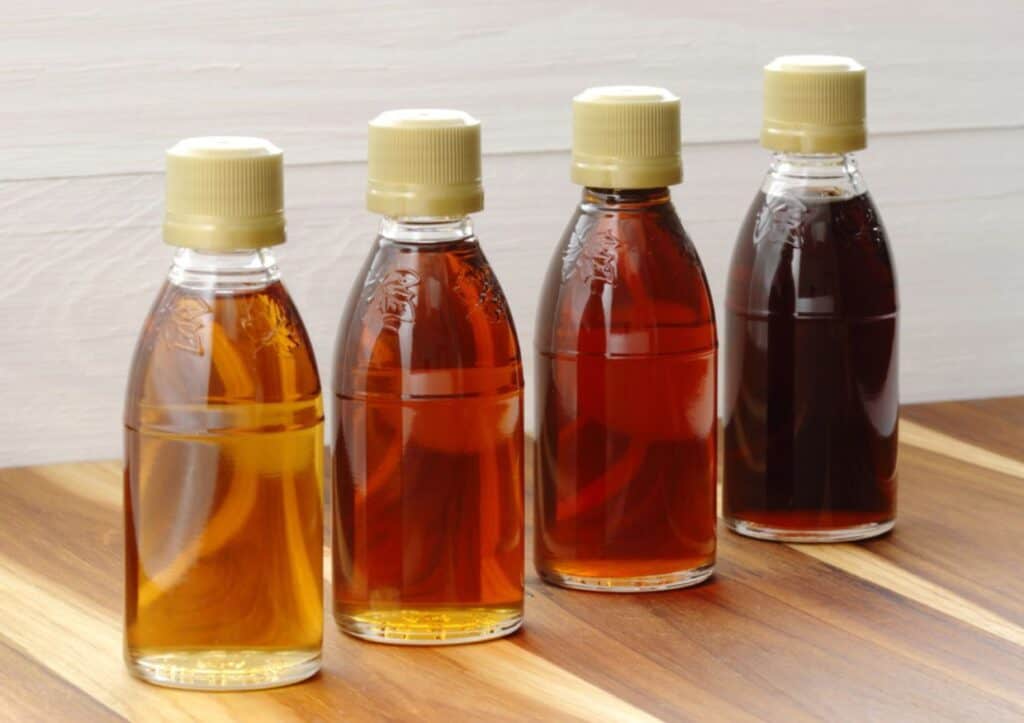
Maple syrup has a similar consistency but a distinct maple flavor, which might change the taste of your dish. It can be used in baking, but it might affect the browning and moisture content. Make sure you are using 100% real maple syrup because manufactured syrups are too sweet and the consistency doesn’t hold up when baking. Maple syrup can be used as a 1:1 replacement for honey.
“I’ve swapped maple syrup for honey quite a few times, especially in baking. I like the deeper flavor it brings, and it works really well in muffins and quick breads. I’ve also used agave in salad dressings when I wanted something that blended in smoothly without standing out too much. It is great to have a couple of options to reach for when a recipe calls for honey!”
— Kristin King, Dizzy Busy and Hungry
Agave nectar
Agave nectar is derived from the agave plant, a succulent that is native to the Americas. Honey is made up of fructose, while agave is made primarily of glucose. Agave browns faster than honey, so it works best in recipes that require little to no heat. It works best in sauces, marinades, dressings and to sweeten drinks. Agave can be used as a 1:1 substitute for honey.
Light molasses
Light molasses is sweet and has a warm, slightly smoky flavor. It is thicker than honey, but it works well in baked goods such as gingerbread cookies and spice muffins. Light molasses can be used as a 1:1 replacement for honey.
Light corn syrup
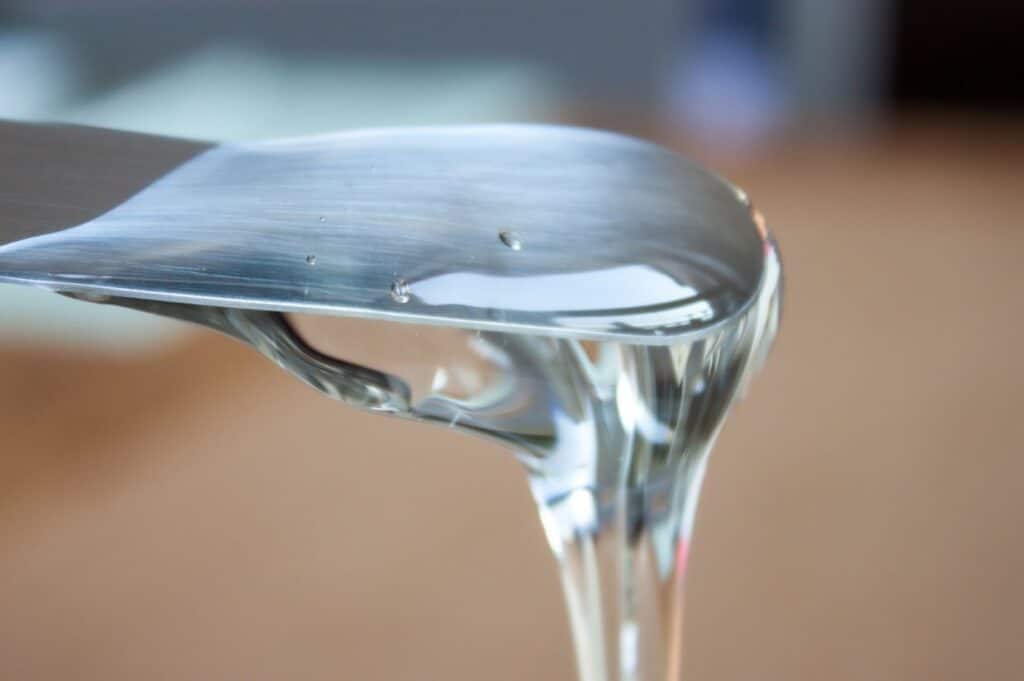
Honey is slightly sweeter than corn syrup, but similar in consistency. Corn syrup works in most baking recipes where honey is called for, unless the honey flavor is essential to the final product. Corn syrup can be used as a 1:1 substitute for honey.
Golden syrup
Golden syrup is similar in color and consistency to honey, but golden syrup has a milder, slightly buttery, caramel-like flavor. It works well in baking, oatmeal and on pancakes. Golden syrup can be used as a 1:1 replacement for honey.
Barley malt syrup
Barley malt syrup is about half as sweet as honey and has a similar flavor profile to molasses. It works well in cakes, breads and muffins. Barley malt syrup can be used as a 1:1 substitute for honey, but you may need to add more to achieve the same level of sweetness as honey.
Date syrup
Date syrup has a similar flavor and consistency to honey, which makes it a suitable alternative. It works well in baking, on pancakes and in tea or coffee. Start with a 1:1 replacement, but you may need to add more to achieve the same level of sweetness as honey.
Brown sugar
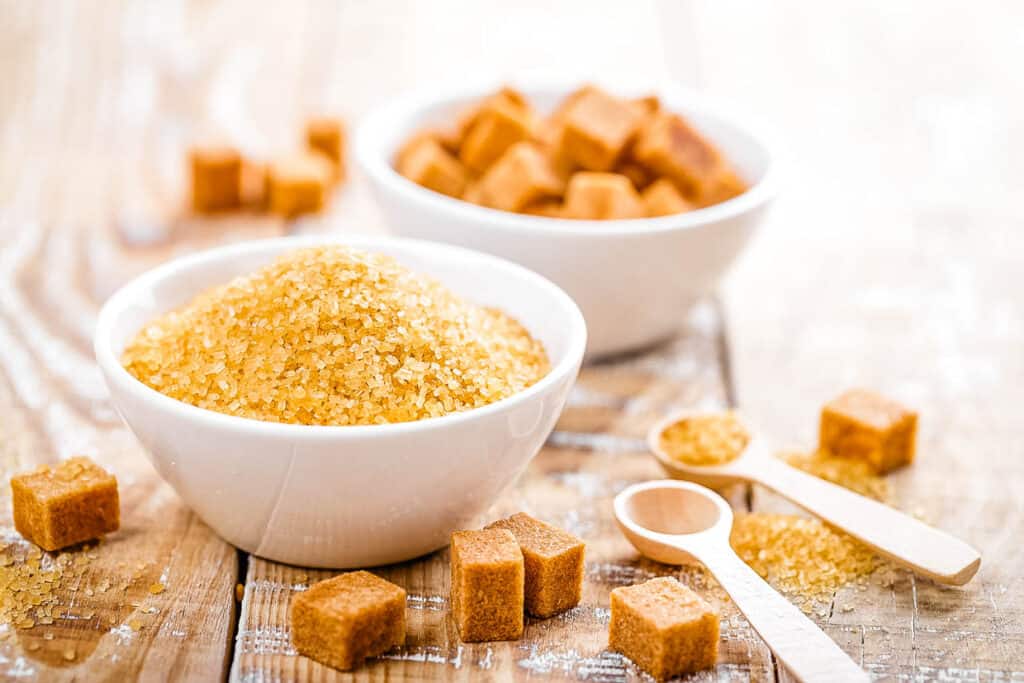
Brown sugar has a similar sweetness to honey and a caramel-like flavor and aroma. It adds great texture to cookies, cakes and quick bread. Because it has less moisture than honey, you may need to add an extra tablespoon of whatever liquid the recipe calls for. Use 1 cup of brown sugar for every 3/4 cup of honey your recipe calls for.
Yacon syrup
Yacon syrup is less sweet than honey, but has a similar consistency. It works as a topping for pancakes, a sweetener in tea and coffee and in some cooking and baking. Yacon syrup isn’t recommended for high-heat baking. It can be used as a 1:1 substitute for honey.
Simple syrup
Simple syrup is thinner than honey and won’t provide the depth of flavor that honey gives. However, it will add sweetness. For each cup of honey you are replacing, you will need 5 cups of sugar and 1 cup of water. Add the water and sugar to a pot and bring it to a slow simmer on the stove. To help the sugar dissolve, stir it slowly. Once the sugar has dissolved, let it cool before using.
Final thoughts
You’re no longer stuck when the honey jar runs empty. Match the substitute to your recipe, tweak the ratio with the notes above, and you’ll still get that glossy finish and balanced sweetness. Save this guide so you never have to pause mid recipe.
Heidi is a Certified Elementary School Teacher in the Inland Northwest and has been teaching for 19 years. She is also a vintage recipe blogger at Real Life of Lulu, where she focuses on recipes that are at least 50 years old, many from her grandparents’ kitchens. When she isn’t teaching or baking, she loves spending time with her husband and three kids.