
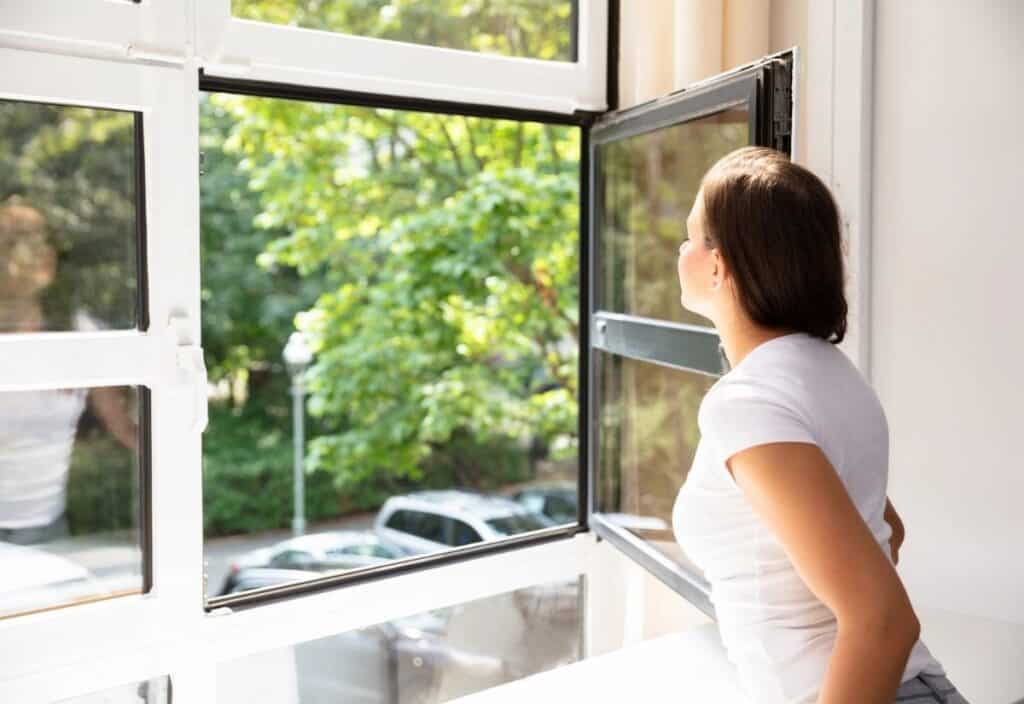
If your house feels a little stale, TikTok has a viral solution: “house burping.” The term refers to opening windows and doors briefly to keep air circulating, a habit long practiced in many German households as part of everyday life. Supporters of house burping swear by the instant relief of fresher air indoors, while ventilation experts warn that opening windows at the wrong time can send heating costs climbing.
This post may contain affiliate link(s). As an Amazon Associate, I earn from qualifying purchases. See Disclosures.
House burping has gained interest among homeowners seeking low-cost ways to improve ventilation without installing new systems. Postpandemic focus on indoor air quality, tightly insulated modern homes and the need for fresher air during long winter months have helped turn the practice into an online trend.
Daily ventilation goes viral
House burping is the social media term for airing out a home by opening windows and doors for a short period. The goal is simple: swap used indoor air with fresh air from outside. Most people who follow the practice open windows wide for about 5 to 15 minutes. Many create cross ventilation by opening windows on opposite sides of the home. Some repeat the routine once a day, while others do it several times.
Air quality expert Tony Abate, chief technology officer at AtmosAir Solutions, says the approach can lower indoor pollutants. “You bring in some more air from the outside, you dilute those concentrations and you reduce them,” Abate said. He notes that fresh air can help limit moisture, airborne contaminants and carbon dioxide buildup inside enclosed spaces.
German tradition behind the trend
The practice traces back to Germany, where it is known as “luften,” a word that means to air out a space. In many German households, opening windows is part of the daily routine, even during the coldest months. The custom is so common that some rental agreements include guidance on regular ventilation to help reduce moisture and prevent mold.
There is also a stronger approach often referred to as shock ventilation. This method calls for opening all windows at once for a short period to create a fast exchange of indoor and outdoor air. The goal is a quick refresh without leaving windows cracked for hours.
Online presence boost practice
Short videos across TikTok and Instagram brought the practice into wider view, with wellness creators presenting it as an easy way to clear indoor air. In a widely shared post by @dw_berlinfresh, Deutsche Welle reporter Briana Ekanem, an American living in Germany, explains that many German windows have multiple settings. A tilted mode allows for regular airing out, while “stossluften,” or shock ventilation, means opening windows fully for 5 to 10 minutes even in winter. She admits the habit felt extreme at first, but is now part of her routine.
As the clips spread, comment sections filled with questions from viewers who had never heard of the custom. Creators responded with follow-up videos that offered clearer step-by-step guidance. Others shared reaction videos that expressed surprise or curiosity, which helped move the trend into wider feeds and new audiences.
Airflow concerns drive interest
Interest in the practice rose after the pandemic placed new attention on indoor airflow. During COVID, public health officials urged people to improve ventilation at home, noting that something as simple as opening windows could reduce the spread of airborne illness and cost little to implement.
Modern construction has also played a role, as many new homes rely on tight insulation to improve energy efficiency, which can trap moisture. Poor air circulation links to breathing irritation in pets, especially because dust and particles settle closer to the floor. Colder months keep households inside for longer periods, which increases attention to air quality and simple steps that can improve comfort indoors.
Limits to daily ventilation
Not everyone in the heating and cooling industry supports the daily routine. BNG Heating and Cooling notes that opening windows can help at times, but a daily routine may not suit American homes that rely on central heating and air conditioning. Brief ventilation works best after heavy cooking or cleaning, or during mild, dry weather.
Experts also caution against keeping windows open for extended periods. Abate advises restraint, saying, “Ten minutes, no more than that is really necessary.” Longer ventilation can upset indoor moisture levels, allow outdoor allergens to enter and reduce overall energy efficiency. In humid climates, open windows may introduce excess moisture that raises the risk of mold and increases strain on air conditioning systems.
Many specialists also note that occasional airing out makes sense after heavy cooking, strong cleaning products or on mild, dry days. However, a daily routine does not fit every home, particularly those designed around central heating and cooling.
Practicality over popularity
Like many viral home habits, house burping works best when considered in light of local conditions rather than online popularity. Climate, insulation and overall home design all determine whether opening windows helps or creates new issues. Its lasting value will depend on how carefully people adapt it to their own environment instead of treating it as a universal rule.
Jennifer Allen is a retired professional chef and long-time writer. Her work appears in dozens of publications, including MSN, Yahoo, The Washington Post and The Seattle Times. These days, she’s busy in the kitchen developing recipes and traveling the world, and you can find all her best creations at Cook What You Love.