
Chili may be one dish, but its versions differ widely across the United States. Recipes vary in flavor, texture and even how they are served, with some bowls built for meat lovers and others spiced like a rich sauce. These differences spark debate and keep fans coming back to see what each region brings to the table.
This post may contain affiliate link(s). As an Amazon Associate, I earn from qualifying purchases. See Disclosures.
The clash of opinions fuels its popularity, turning every kitchen and cook-off into stages for defending local pride. These conversations keep chili in the spotlight and show how deeply it reflects the places and people that make it.
What makes a chili
At its core, chili combines meat, beans, tomatoes or chili peppers to form its base. A blend of spices such as chili powder, cumin and garlic sets the flavor and can be adjusted for heat or complexity. Some versions are thick and hearty, while others lean toward a looser, stew-like consistency.
Chefs usually slow-simmer the dish, allowing the ingredients to meld into a rich, balanced bowl. They serve it hot and often top it with onions, cheese or sour cream, depending on taste. Local ingredients and culinary traditions influence how each region puts its own spin on the dish, making chili a uniquely adaptable staple across the country.
The classic Texas chili pot
Americans may love chili nationwide, but Texans take it more seriously than anyone else. Bold flavors and big cuts of beef dominate the Lone Star State. Chuck roast or brisket takes center stage, often chopped into hearty chunks or ground coarsely into chili grind.
Dried chiles such as ancho, pasilla and cascabel give it smoky, earthy heat, while cumin and garlic bring a strong, savory punch. Classic recipes skip beans and tomatoes, keeping the focus on meat and spice. Some cooks stir in a touch of masa harina toward the end to thicken the sauce and add a hint of corn flavor.
Chili served the Cincinnati way
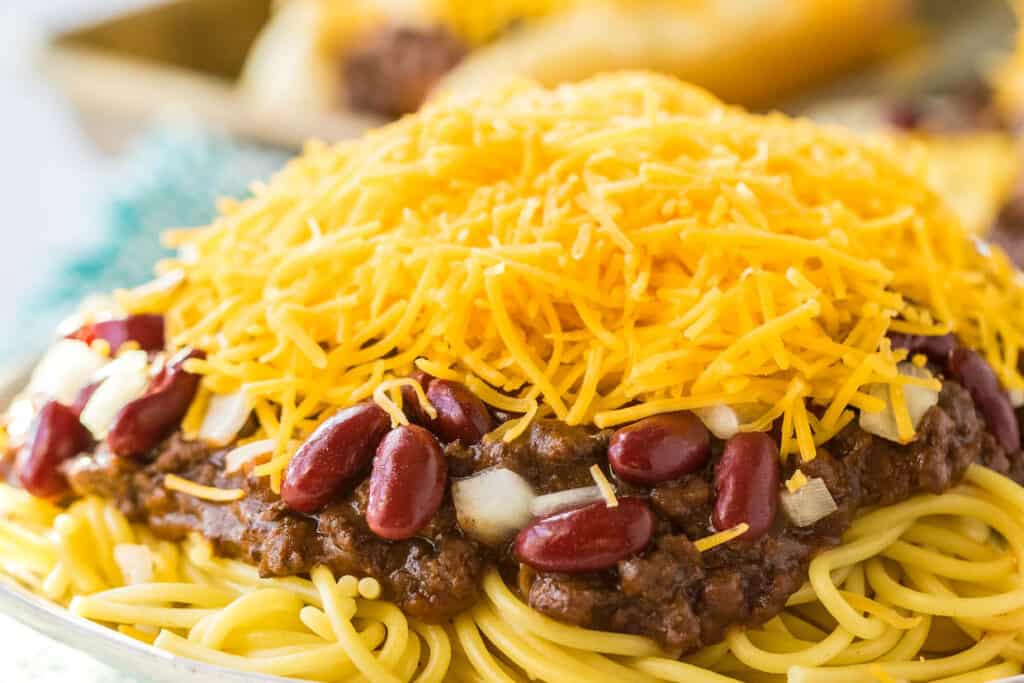
Cincinnati gives chili a completely different personality, drawing on Greek and Mediterranean spices for a distinctive flavor. Cinnamon, cloves, allspice and even a touch of unsweetened chocolate create a warm, aromatic base. Chefs boil the beef rather than brown it, breaking it down into a fine, uniform texture that soaks up the spices and turns the dish into a rich, sauce-like chili.
Cooks serve Cincinnati chili over spaghetti instead of in a traditional bowl, using a layered ways system that lets diners customize their plate. A three-way includes spaghetti, chili and cheese, while four- and five-way orders add onions and beans for extra texture and heartiness.
Southwest bowls full of heat
In the Southwest, chili takes on a distinctly regional flavor, with New Mexico and Southern Arizona leading the way. Cooks favor green chile, or chile verde, made with roasted fresh green chiles such as Hatch, often paired with pork or beef. Tomatillos, garlic and onions add brightness, creating a smoky, vegetal and sometimes tangy bowl.
New Mexicans prepare red chili sauces using dried red chiles, emphasizing pure chile flavor rather than tomato. Diners can even order “Christmas” style to get both red and green on the same plate. Southwest cooks ladle chili as a hearty stew or use it as a sauce for enchiladas and burritos, finishing each plate with fresh cilantro or a squeeze of lime for extra flavor.
Cook-off season heats up
Chili cook-offs have been part of American food culture since the first one took place in Terlingua, Texas, in 1967. What started as a small showdown has grown into a tradition that blends community pride with a little friendly rivalry. Competitors line up to earn titles like best chili or people’s choice, with winners often advancing to bigger contests at the state, national or even international level.
These events are about more than bragging rights. They raise money for schools, churches and local nonprofits while turning parking lots and fairgrounds into lively gathering spots. Crowds come for the chili but stay for the music, beer tents and vendors, making it a full day out for families and food lovers. Creative spins, including green chili and meatless entries, keep the competition fresh and keep the debate over what makes the perfect chili alive year after year.
Pride and rivalry in chili
Chili sparks passionate arguments across the country, with each region setting its own rules for what belongs in the pot. Some insist beans and tomatoes have no place in a true bowl of chili, while others question whether Cincinnati chili counts at all. These debates often play out at local cook-offs and festivals, where communities proudly showcase their versions.
Regional ties run deep, with New Mexico naming chile as its state vegetable and celebrating it during harvest season. Modern cooks keep the dish evolving with fusion recipes and creative twists, from green chile spaghetti to Texas-style versions made with plant-based meat. As recipes travel with people, chili continues to adapt while remaining a symbol of local flavor.
A story in every bowl
Chili’s many versions across Texas, Cincinnati and the Southwest show how one dish carries local history and taste. From beef-heavy bowls to cinnamon-spiced sauces and green chile stews, each reflects the region that made it popular. Debates over beans, spices and toppings reveal how deeply people care about preserving their traditions. However it’s made, chili continues to bring communities together and honor the flavors that tell each region’s story.
Mandy Applegate is the creator behind Splash of Taste and seven other high-profile food and travel blogs. She’s also the co-founder of Food Drink Life Inc., a unique and highly rewarding collaborative blogger project. Her articles appear frequently on major online news sites, and she always has her eyes open to spot the next big trend.