
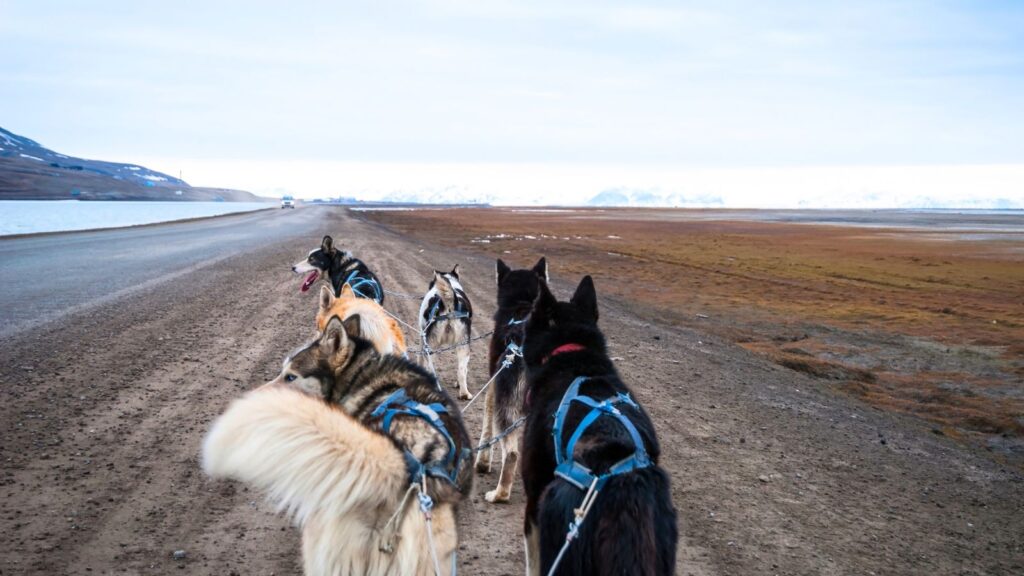
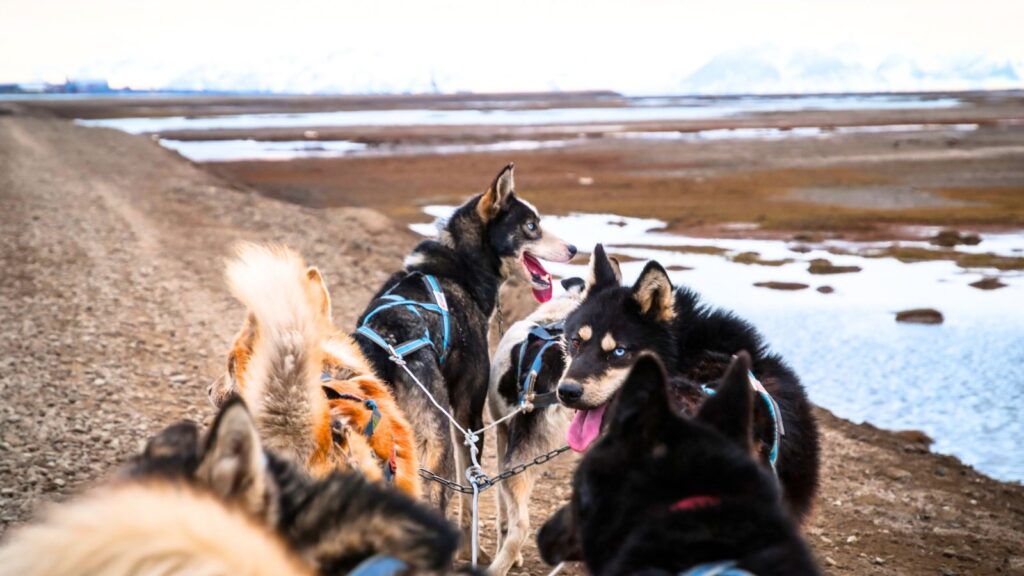
Come summer, the dog teams at Wapusk Adventures don’t stop working. They just trade snow for gravel, swapping sled runners for wheeled carts and pulling visitors along the same Hudson Bay coast trails they run all winter.
It’s one of several Indigenous-owned, land-based tours popping up across the continent this year. These are guide-led experiences that connect travelers with people actually living these traditions, not watching them performed on a fixed bus tour schedule. The timing lines up with International Day of the World’s Indigenous Peoples on Aug. 9, though this work has been underway long before any date on the calendar.
Manitoba’s Dog Carts and Beading Circles
In Churchill, Manitoba, Wapusk Adventures has guided travelers through Métis culture and storytelling since 2001, with dog carting doubling as the warm weather version of its better-known winter sled tours.
Winnipeg backs up the region’s reputation. At just over 102,000 people, the city holds the largest Indigenous population of any census metropolitan area in Canada.
Elsewhere in the province, Borealis Beading runs circle style workshops in beading, quilting and finger weaving. Beyond Boreal Expeditions, guided by Tiffany Spence, runs land and photography tours through the same region. Renée Simcoe of Indigenous Tourism Manitoba called tourism one of the most powerful ways forward for reconciliation in Canada.
Tracking Brown Bears on Chichagof Island
On Chichagof Island in Alaska, John and Marilyn Hillman, both Tlingit, launched Wilderness Island Tours in 2021, the region’s only Indigenous-owned tour operator working entirely on land.
Their driving excursions move through brown bear habitat, one of the densest bear populations anywhere. Traditional foods like sockeye salmon and Sitka black-tailed deer are part of the tour, along with medicinal plants like devil’s club and nagoonberries.
Hoonah, the largest Tlingit village in Alaska, added its first cruise ship dock in 2016, and visitor numbers climbed into the hundreds of thousands within a few years. The Hillmans launched right as that growth took off, giving travelers an Indigenous-led option that hadn’t existed before.
Carving Ceremonial Pipes in Minnesota
In southwestern Minnesota, the Keepers of the Sacred Tradition of Pipemakers represent 23 affiliated Plains tribes. They lead multi-day experiences at Pipestone National Monument, including guided catlinite pipe carving, storytelling, dances and ceremonies, with the option to stay overnight in a traditional dwelling.
People have quarried pipestone at the site for roughly 3,000 years, and permits today are limited to enrolled tribal members, with the waiting list for a permanent quarry running eight to 10 years.
Bud Johnston, a member of the Bad River Band of Lake Superior Chippewa Indians, has led the Keepers every two years since 1996. That puts the group’s 30th anniversary in the same year as this one, with membership spanning 40 states and six countries.
Guides across all three regions say they want the same thing from visitors: someone who sticks around long enough to learn something, not just snap a photo and move on. If one of these trips is on your radar this year, that’s the difference worth chasing.
Jennifer Allen is a retired chef turned traveler, cookbook author and nationally syndicated journalist; she’s also a co-founder of Food Drink Life, where she shares expert travel tips, cruise insights and luxury destination guides. A recognized cruise expert with a deep passion for high-end experiences and off-the-beaten-path destinations, Jennifer explores the world with curiosity, depth and a storyteller’s perspective. Her articles are regularly featured on the Associated Press Wire, The Washington Post, Seattle Times, MSN and more.