
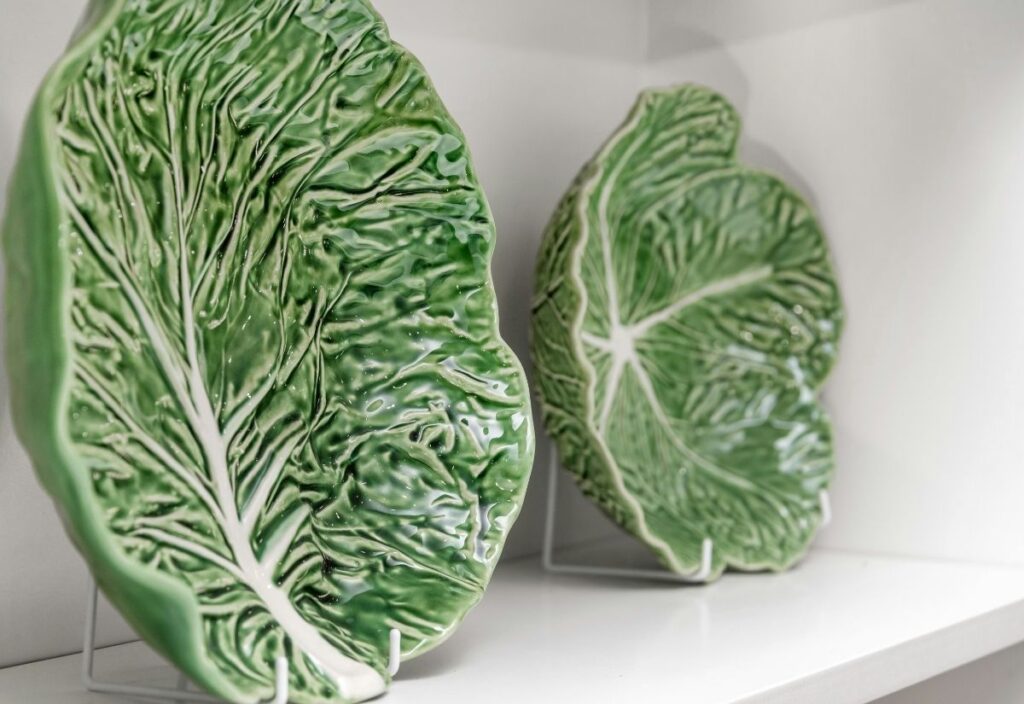
Collectors are going wild over quirky lettuce-shaped china, turning once-overlooked dishware into high-ticket items at markets and auctions. No longer relegated to dusty cabinets and thrift store shelves, these leafy ceramics now appear in upscale home features. With 18th-century roots, they combine history, charm and craftsmanship that appeal to modern collectors.
This post may contain affiliate link(s). As an Amazon Associate, I earn from qualifying purchases. See Disclosures.
As attention to cabbage- and lettuce-shaped china grows, so does the curiosity around their care, authenticity and use. Collectors and casual buyers are starting to explore what sets originals apart and how these pieces live beyond display cabinets.
The origin of the craze
Cabbage and lettuce-shaped tableware first hit its stride in the late 19th century, thanks to Portuguese artist Rafael Bordallo Pinheiro. Though botanical ceramics existed across Europe earlier, Pinheiro’s designs stood out for their humor, color and craftsmanship. His factory in Caldas da Rainha has produced these whimsical pieces since the 1880s. The original ware features hand-painted earthenware glazed in bold Majolica pottery colors. This style continues to attract attention for its sculptural and textured designs, with every piece balancing novelty with Old World techniques, giving them charm and credibility among collectors.
Why collectors are snapping it up
Tastemakers sparked renewed interest in Bordallo Pinheiro’s cabbageware by using it in their homes. Vintage cabbage bowls and platters now fetch $200 to $600, depending on rarity and condition. Demand spikes for earlier pieces and limited editions, though prices fluctuate depending on provenance.
New collections remain largely handmade in Portugal and sell through luxury retailers such as Williams-Sonoma. While production has modernized, the aesthetic stays true to its roots. Collectors and designers continue to seek out these pieces for their visual appeal in themed table settings and decorative arrangements, especially during spring retail cycles. While direct sales data remains limited, growing visibility in upscale retail and interior styling still signals consumer interest.
Spotting real vs. replica pieces
Collectors often look for a backmark naming the brand and Portugal, though older pieces may show worn or missing stamps. With no official chronology available, most rely on visual comparisons with known examples. Stamp designs have evolved, with small differences in typeface or layout signaling age and authenticity.
Spotting replicas takes more than a glance. Mass-produced imitations often feel lighter, with flatter or less vibrant glazes. Some knockoffs use resin instead of ceramic, a key giveaway when assessing authenticity. While some licensed reproductions maintain a high visual standard, unauthorized versions often cut corners in texture and detail. Genuine older pieces often display natural signs of aging, such as kiln marks or crazing, which can confirm authenticity when structural integrity remains intact.
Modern uses beyond the table
Interior designers now treat lettuce ware as functional art, using the textured green ceramics to anchor curated displays across open shelving, hutches and gallery walls. Their exaggerated forms and bold glazes complement vintage-inspired and maximalist spaces, where layering and contrast take priority.
Though the pieces remain fully usable as serveware, many collectors display them with restraint to prevent chips or glaze wear. Seasonal decorating trends have also brought cabbageware into the spotlight, particularly in spring when fresh palettes dominate retail campaigns. While the cabbage motif has no formal connection to Easter or garden holidays, it fits naturally within themes that celebrate renewal and whimsy.
Handling and storage tips
Caring for these special wares requires more than surface-level maintenance. Handwash the ceramics with mild soap and lukewarm water to preserve the glossy glaze and prevent deterioration. Dishwashers and harsh detergents can weaken finishes and cause stress fractures over time.
Temperature shock remains one of the most common causes of damage, as sudden exposure to heat or cold can trigger fine cracks or crazing, which worsen when ignored. To safeguard their appearance, collectors should also keep the pieces out of direct sunlight, as this can fade the color. Proper display choices and careful handling help extend the life of both antique and contemporary items.
Where to find authentic pieces
The brand’s official website sells New Bordallo Pinheiro cabbageware and ships internationally, though stock and shipping options may vary by region. Retailers like Williams-Sonoma also offer select pieces, sometimes as part of seasonal or limited-edition collections.
Those seeking vintage or discontinued items often turn to resale platforms, including Replacements and 1stDibs. Prices on these sites reflect rarity, condition and market trends, making verification essential when buying secondhand items. Estate sales and flea markets provide another door of opportunity, though buyers should come prepared to evaluate glaze quality, backmarks and material weight. In many cases, consulting with a specialist can prevent costly mistakes and help confirm authenticity.
A collectible with staying power
Bordallo Pinheiro’s cabbageware has evolved from niche oddity to cultural touchstone, capturing the attention of collectors, decorators and design editors alike. Active production in Portugal keeps shelves stocked while resale markets thrive on demand for vintage pieces with verifiable provenance. Museums now recognize the ware as part of Europe’s ceramic heritage, reinforcing its value beyond aesthetics. For buyers chasing authenticity or charm, these textured green pieces reflect a rich legacy shaped by craftsmanship, nostalgia and shifting tastes.
Mandy writes about food, home and the kind of everyday life that feels anything but ordinary. She’s travelled extensively, and those experiences shaped everything, from comforting meals to little lifestyle upgrades that make a big difference. You’ll find all her favorite recipes over at Hungry Cooks Kitchen.