
Between September 2025 and early 2026, online conversations about “looksmaxxing” exploded, with more than 806,000 mentions across social media platforms, according to a Brandwatch analysis. More than 405,000 unique users contributed to these posts. Public sentiment around the trend is largely critical: 84% of the tracked mentions are negative, often criticizing the pressure it places on body image and self-perception.
This post may contain affiliate link(s). As an Amazon Associate, I earn from qualifying purchases. See Disclosures.
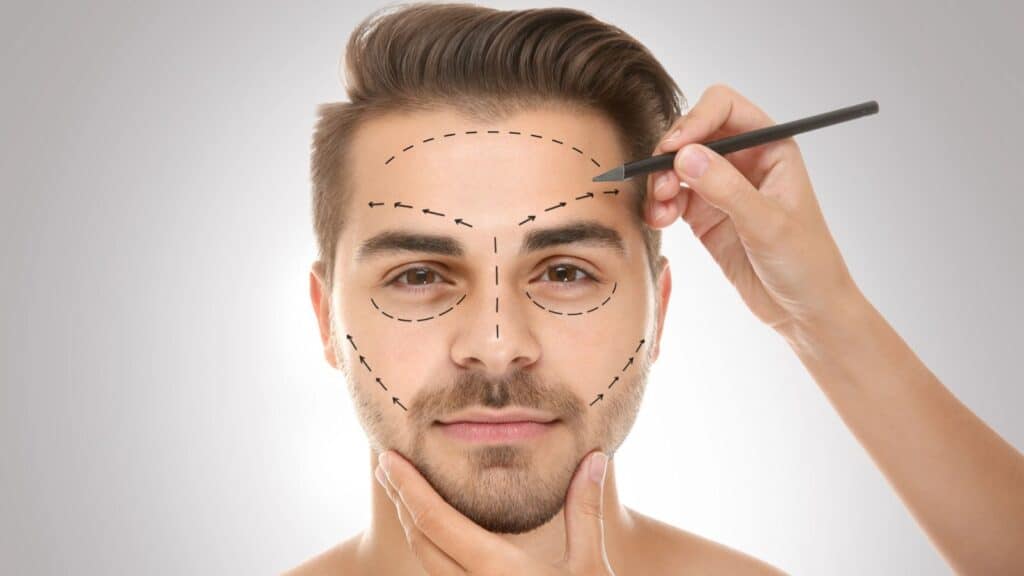
Looksmaxxing, softmaxxing and hardmaxxing are social media-driven phrases that encourage people to aggressively pursue what they believe is the ideal face or body. This particular fad falls outside the expected norm, primarily targeting young men.
Brandwatch notes that these communities often rely on attractiveness scales, facial ratios and jawline measurements to score appearance. This takes self-improvement and transforms it into a metric that can be calculated and compared online.
While proponents often frame the practices as self-improvement, health experts told Healthline the trend can fuel anxiety, body dysmorphia and eating disorders. Some participants engage in risky behaviors or consider unnecessary cosmetic surgical procedures to meet unrealistic beauty standards.
What looksmaxxing means in practice
Looksmaxxing ranges from seemingly harmless activities such as intensive grooming, debloat diets and jaw exercises to far more extreme behaviors. Andrew Levey, LMSW, a therapist at LightLine Therapy in New York City, wants to make sure people recognize the trend does not always begin with harmful intent.
“It’s important to note that looksmaxxing can stem from good intentions. Improving one’s appearance can have health benefits. Teen boys and young men who are trying to looksmaxx may find themselves going to the gym, eating better and engaging in healthier habits, which can lead to higher confidence and improved physical and mental health,” Levey says. “While it’s natural for people to worry about their appearance and fitting in with peers, looksmaxxing may become a problem if concerns about appearance become obsessions or become tied to self-worth.”
A 2025 community survey of active looksmaxxing participants found that 49.1% of respondents under age 24 were considering surgical procedures like jaw surgery or hair transplants, even though only 3.4% had actually undergone surgery. More than 55% acknowledged stress or anxiety tied to their engagement with appearance enhancement practices.
In some corners of social media and the so-called manosphere, influencers have pushed the trend into dangerous territory. Reports from the South China Morning Post and other outlets documented viral clips of men striking their cheeks with hammers to reshape bone and recommending unproven or unsafe methods to “boost sexual appeal.” These videos often accompany endorsements of supplements, steroids or cosmetic products.
Why this feels normal to Gen Z
Part of what makes looksmaxxing powerful is that it does not feel extreme to many of the young people participating. It can look like self-care, productivity and discipline. Skincare routines, gym time, careful eating and posture work are already common parts of wellness culture. Looksmaxxing simply organizes those habits around facial results.
Comment sections often reinforce the behavior. Users trade tips, learn diets like low-carb and carnivore from each other and celebrate small changes. For young men who may not have many spaces to talk openly about body image, these communities can feel supportive, even if the standards they promote are difficult to reach.
In The Guardian, a cultural critic described looksmaxxing content as offering solutions to perceived flaws rather than emotional tools to address insecurity, calling for open conversations about male body image rather than algorithm-driven quick fixes.
Psychological toll and health risks
Health professionals stress that the line between healthy self-care and harmful obsession is narrow. Licensed therapists interviewed by Healthline describe looksmaxxing as often rooted in self-hate and inadequacy, particularly when anxiety, not confidence, drives the pursuit. They warn that extreme focus on aesthetic metrics can crowd out personal relationships, daily functioning and a balanced sense of self.
Even mainstream health reporting outside the looksmaxxing context underscores a broader mental health concern. Recent coverage in Men’s Health highlighted how social media and supplement marketing are already contributing to conditions like muscle dysmorphia, an obsessive fixation on muscularity, among adolescent boys, alerting parents and clinicians to the risks of algorithm-driven content.
Chris Coussons, founder of Visionary Marketing, said the trend is also visible in search behavior. His agency tracks search data for a living, and he said looksmaxxing has been difficult to ignore. “Looksmaxxing search volume has grown more than 4,000% in the last two years. We’ve watched it go from niche Reddit slang to mainstream, and our own team members in their early twenties talk about it casually,” Coussons says.
He cautioned that dismissing or mocking the trend is unlikely to help. “These young men are looking for self-improvement content because they genuinely want to feel better about themselves. That impulse is healthy. The problem is where the algorithm takes them once they start looking. The conversation should be about media literacy and helping young people evaluate which advice is evidence based versus which is someone selling them insecurity to make money.”
When self-care becomes self-surveillance
Experts say the appeal of looksmaxxing is easy to understand. It offers clear steps, visible results and a sense of control in a digital world where appearance is constantly on display. But the same structure that makes it attractive can also make it relentless. When facial angles, skin texture and jawlines become daily metrics, self-improvement shifts into self-surveillance.
Therapists and researchers interviewed in recent reports encourage young people to return to function over form. For example, eating high-protein sheet pan eggs or stuffed meatloaf for energy instead of debloating, grooming for hygiene instead of symmetry or moving their bodies for strength instead of aesthetics. Reducing exposure to appearance-focused content and following accounts that promote body acceptance are among the most common recommendations.
Looksmaxxing reveals how glow-up culture has evolved into something more demanding than confidence or self-care. For many young men, it has turned the face in the mirror into a project that never feels finished.
Jessica Haggard creates simple, nutrient-dense, family-friendly recipes for people who want real food that supports their health without adding stress. At Primal Edge Health, she helps busy home cooks prepare wholesome meals with straightforward ingredients and no-fuss methods that fit real life. Her recipes are built for everyday routines, diverse dietary needs and families who want nourishing meals that actually feel doable.