
As consumers seek both wellness and novelty in their beverages, loose-leaf tea has become a booming market expected to reach $2 billion by 2030. Health-focused ingredients, unconventional pairings and globally inspired blends drive the category, attracting a fresh wave of tea drinkers. Forget Earl Grey; these tea flavors are trending and redefining what belongs in a cup.
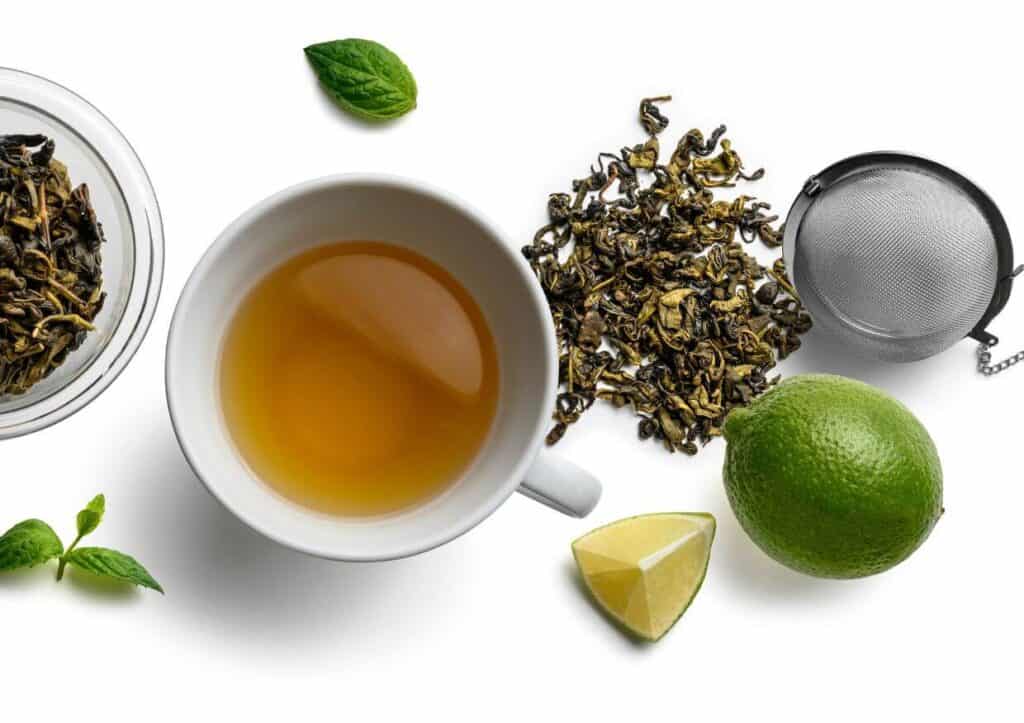
New blends are stepping outside traditional flavors, offering everything from antioxidant-rich roots to florals that rival perfumes. Today’s loose-leaf tea market caters to a growing appetite for complexity and care.
Tea sales are rising, and so is flavor innovation
The U.S. tea market is steadily expanding, generating $1.4 billion in revenue in 2024. This growth reflects a nationwide interest in tea not only as a daily beverage but as a functional and flavorful ritual. Within this surge, loose-leaf and specialty blends stand out as the categories driving deeper engagement.
With a market size of $2.8 billion, North America contributed 40% of the global loose-leaf tea market revenue in 2024. This highlights the region’s demand for premium teas that prioritize flavor complexity and health. Latin America also gained notable traction that same year, accounting for 5% of the global revenue and signaling a growing interest in diverse, high-quality blends across continents.
Flavor profiles to try
Loose-leaf tea is transforming into a full-on flavor adventure. From earthy spice and woodsy smoke to refreshing sweetness, there’s a blend for every palate. These flavors aren’t just trendy; they invite people to explore drinks outside their comfort zone.
Turmeric chai
Turmeric chai is a vibrant blend that combines the earthy depth of turmeric and the warmth of spices like cinnamon, cardamom and ginger. Steeped in Ayurvedic tradition, these ingredients aid digestion and calm inflammation.
What makes this mix resonate with modern tea drinkers is how seamlessly it merges wellness alongside flavor. The slightly peppery bite of turmeric pairs well with creamy elements like vanilla or oat milk, creating a brew that’s both soothing and satisfying. Beyond flavor, turmeric chai attracts attention for its potential health benefits, like reducing symptoms of knee osteoarthritis, supporting cardiovascular health by lowering oxidative stress and reducing cholesterol and weight.
Blueberry basil
Blueberry basil isn’t a traditional pairing, but that’s exactly what makes it captivating. This blend often mixes dried blueberries, whole basil leaves and a white or green tea base. The result is unexpectedly refreshing: sweet and tangy from the fruit, herbaceous and aromatic from the basil. It’s great whether hot or iced, making it enjoyable for those who love layered flavors.
Smoked Lapsang
One of the oldest known black teas, smoked Lapsang Souchong originates from China’s Wuyi Mountains. Traditionally dried over pinewood fires, its leaves absorb a distinctive smokiness that resembles the aroma of campfires, smoked paprika or charred wood. Best enjoyed at a leisurely pace, it pairs well with savory snacks or sharp cheeses.
Floral oolongs
Often scented or imbued with notes of jasmine, osmanthus, rose or magnolia, floral oolongs are semi-oxidized teas that create a nuanced sensory experience with their soft, layered fragrance. Usually sourced from Taiwan or southern China, these teas vary in oxidation, with some having a creamy mouthfeel while others are light and airy.
Brewing tips for these blends
Mastering the art of brewing brings these loose-leaf teas to life. It’s not just about heat and time; it’s about unlocking layers of flavor with each cup. A few thoughtful steps can elevate a casual sip into a refined, sensory ritual.
Techniques for flavor and aroma
To get the most from loose-leaf teas, pay attention to water temperature and steeping time. For robust blends like turmeric chai and smoked Lapsang Souchong, boil water, then let it cool to 194 to 203 degrees Fahrenheit. Steep them for 3 to 5 minutes to bring out their rich flavors.
Steeping techniques to enhance complexity
For floral oolongs, cooled water around 185 degrees Fahrenheit helps preserve their delicate aroma and layered taste. Rinse the leaves briefly before the first infusion to release their natural oils and prepare them for multiple steeps. To give the leaves enough space to unfurl, use a wide infuser for a more aromatic brew.
Where to find these teas
For those ready to explore trending loose-leaf teas, a few standout retailers make the journey more rewarding. They offer traditional, quality blends that reflect the evolving tastes of today’s tea drinkers.
Upton Tea Imports is a trusted source for traditional and rare offerings, especially among seasoned tea drinkers. Their selection includes smoked and single-origin teas such as Lapsang Souchong and other hard-to-find varieties. These well-crafted blends appeal to those who value complexity and classic preparation styles.
Known for making tea accessible without sacrificing quality, Harney & Sons’ collection ranges from floral oolongs and seasonal blends to beloved classics such as Earl Grey. Elegantly packaged and available worldwide, they offer both familiarity and discovery in every tin.
Another option for those drawn to character and comfort, Tea & Sympathy brings a distinctly nostalgic charm to its lineup of teas. The brand combines British tradition alongside playful twists, offering cozy herbal mixes and British-style classics. It’s a go-to for those who want a cup that feels like home.
The future of tea is anything but ordinary
Loose-leaf tea reflects today’s shift toward intentional living, where flavor, wellness, and global awareness intersect. Consumers are choosing tea not just for hydration, but for ingredients, origins and experiences that feel both rooted and exploratory. From turmeric-laced brews to smoky black teas with centuries-old heritage, each cup tells a story that transcends trends and redefines what it means to slow down and savor what’s in your cup.
Disclaimer: These statements have not been evaluated by the Food and Drug Administration. The contents of this article, made available via Food Drink Life, are for informational purposes only and do not constitute medical advice. The Content presented here is not intended to be a substitute for professional medical advice, diagnosis, or treatment. Always seek the advice of a qualified healthcare provider with any questions you may have regarding a medical condition or dietary changes. Reliance on any information provided by this article is solely at your own risk.
Jennifer Allen is a retired professional chef and long-time writer. Her work appears in dozens of publications, including MSN, Yahoo, The Washington Post and The Seattle Times. These days, she’s busy in the kitchen developing recipes and traveling the world, and you can find all her best creations at Cook What You Love.