
Packing a lunch every day can feel repetitive. Peanut butter and jam sandwiches are quick, but they don’t always cut it when you’re looking for variety, nutrition and food that stays fresh. With a little planning, you can create lunches that cost less than $5 per serving, hold up without refrigeration or a microwave and appeal to both kids and adults.
This post may contain affiliate link(s). As an Amazon Associate, I earn from qualifying purchases. See Disclosures.
From elementary school to the office, these lunchbox ideas for every age focus on food safety, repurposing leftovers to avoid food waste and making lunch-packing a shared family effort.
The basics: Safety first
The foundation of a good lunch is keeping it safe to eat. Perishable foods shouldn’t stay at room temperature for more than two hours. One simple solution is to freeze a juice box and place it next to meat, poultry, cheese or yogurt.
By lunchtime, the drink has thawed, and the food has stayed cool. An insulated lunch bag helps even more, especially if you add a gel pack. For hot foods like soups or stews, use a wide-mouth thermos. Preheating it with boiling water keeps the contents warm until noon.
Cross-contamination is another risk worth avoiding. Washing hands, knives and cutting boards between recipes takes only a few extra minutes. If you’re packing foods with common allergens, label the lunch clearly to prevent accidental swaps. And if any food comes back uneaten at the end of the day, don’t reuse it. Discard it.
The right containers

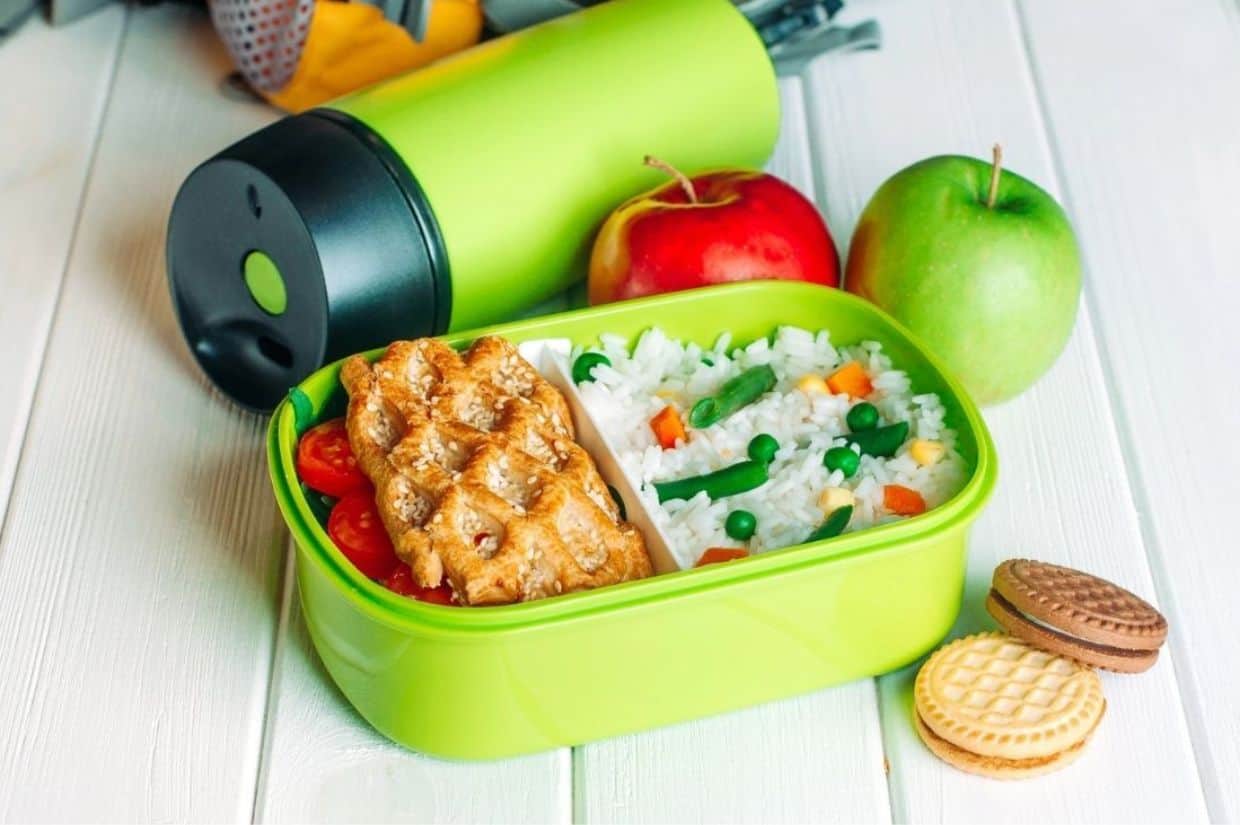
A sturdy lunchbox makes all the difference. A bento box with snug dividers keeps crackers crisp and vegetables fresh. Thermoses hold heat or cold for hours, making them useful for soups, chili or even chilled yogurt parfaits.
Reusable pouches are perfect for applesauce, smoothies and dips that might otherwise leak. Investing in dishwasher-safe options makes nightly cleanup less of a chore.
Make the most of leftovers
Stretching your grocery budget is easier when you pack yesterday’s dinner for today’s lunch. Roasted vegetables become fillings for wraps or toppings for grain bowls. Chicken or beef, if paired with a frozen juice box to keep them cold, can be shredded into taco bowls or diced into a tasty Mexican salad.
Grains and beans make hearty salads when mixed with vinaigrette and fresh vegetables. Soups, meanwhile, are a thermos-friendly classic. Cooking once and packing twice reduces waste while saving time.
“My kids all love pasta in a thermos for lunch. It’s a hot lunch that fills them up, and the possibilities are endless: meatballs and pasta, chicken fettuccine and Alfredo, for example.”
— Gena Lazcano, Ginger Casa
Lunches for elementary school kids
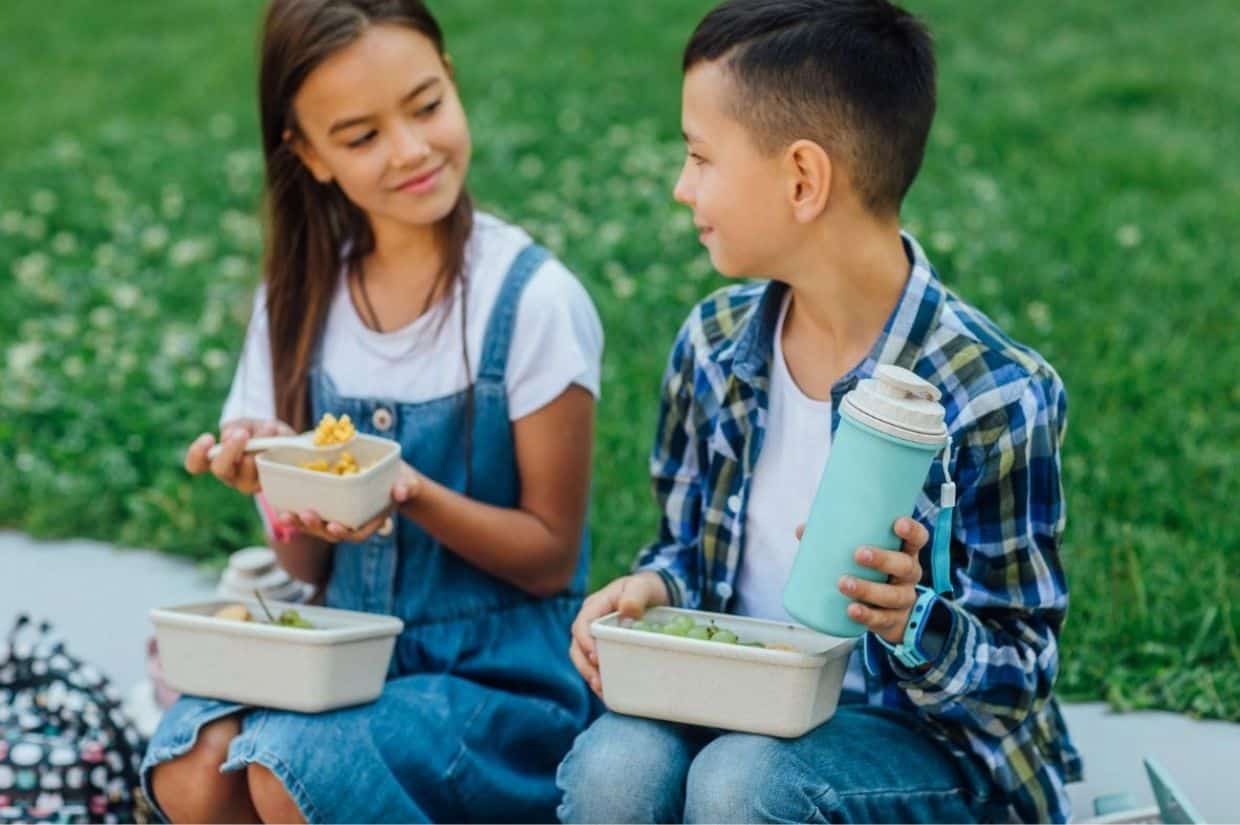
Young children need lunches that travel well, don’t require reheating and are easy to handle. For example, pinwheels made with whole-wheat tortillas, hummus and grated vegetables are both colorful and sturdy.
Pasta salads with chickpeas and peas provide protein and fiber without spoiling quickly. Quesadilla triangles, cooked the night before and cooled completely, hold their shape in a lunchbox. And crackers with sunflower seed butter and apple slices offer a nut-free variety.
At this age, involving children in washing produce, spinning lettuce or arranging compartments helps them feel proud of their meal. They’re also more likely to eat what they helped prepare.
Lunches for middle school kids
Appetites grow in middle school, and so does the desire for variety. A taco salad bento box, complete with romaine, black beans, cheese and crushed tortilla chips, lets kids assemble their own meal.
Cold noodle bowls dressed with soy sauce, rice vinegar and sunflower seed butter are filling and allergen aware. Mediterranean snack boxes with pita, hummus, olives and cucumbers hold up well, as do frittata-style egg bite muffins baked with spinach and cheese.
Encouraging tweens to help with lunch prep. Teach them to portion grains, mix dressings or assemble pinwheels on Sundays, which sets them up for independence and saves time on weekday mornings.
Lunches for high school students
High school students often need more fuel, but they still want something portable. Grain bowls made with rice or quinoa, roasted vegetables and chickpeas provide hearty and balanced nutrition.
Deli-style wraps with cheese and lettuce stay crisp when condiments are packed separately. And chickpea tuna salad is a plant-based option that pairs well with crackers or pita. Cold pasta salads with edamame or roasted pumpkin seeds are rich in protein and stay fresh. Snack boxes with hard-boiled eggs, firm cheese, fruit and crackers are simple yet filling.
At this stage, teens can take charge of batch cooking. A tray of roasted vegetables and a pot of grains on Sunday creates easy mix-and-match bases for the week ahead.
Lunches for the workplace

Adults also need lunches that fit easily into a busy day. Mason-jar salads are a popular choice, with beans and grains at the bottom, vegetables in the middle and greens on top. Dressing stays separate until you’re ready to eat.
Lentil and roasted vegetable bowls are sturdy enough to be eaten cold, while ouscous paired with a tuna pouch makes a protein-rich meal that costs less than $5. Hummus with vegetables, olives and pita is satisfying and easy to prepare. And for those who like a warm lunch, a thermos filled with soup paired with bread and fruit is a reliable option.
Cooking a pot of beans or lentils at the start of the week gives you the flexibility to season them differently each day, turning one batch into several distinct meals.
Allergen-friendly adjustments
Nut-free lunches can rely on sunflower seed butter, roasted pumpkin seeds or edamame for protein. Dairy-free options include plant-based cheese, hummus or smoked tofu cubes.
Gluten-free eaters can choose corn tortillas, rice noodles or quinoa bowls. Sesame-free adaptations are easy, too. Sunflower seed butter stands in for tahini, while pumpkin seeds add crunch. Labeling allergen-safe lunches clearly helps avoid mix-ups at school.
Teach kids to pack their own
Beyond nutrition and frugality, packing lunches is also a life skill. Elementary-aged kids can help by washing fruit or tearing lettuce. Middle schoolers can stir dressings and measure out grains. High schoolers are ready to plan their own menus and batch-cook ingredients. Creating a packing station at home with bins for proteins, carbs, fruits and vegetables lets kids build balanced meals quickly while giving parents one less task in the morning.
Try something new in their lunchboxes
By rethinking how we use leftovers, choosing the right containers and teaching children to pack their own meals, families can keep lunch nutritious, frugal and safe. With these lunchbox ideas for every age, you’ll find options that travel well, fit the budget and satisfy everyone from the youngest student to the busiest parent.
Sarita Harbour is a food, finance and lifestyle writer. She created Recipes From Leftovers to help people make delicious meals while saving money and reducing food waste.