
The milk was only part of the memory. What made doorstep delivery stick was the routine around it: bottles appearing before breakfast, empties going back out, and a driver who knew the household’s usual order. The whole system ran on habit, trust, and a few simple signals. If a milkman once stopped at your home, these seven details may feel familiar.
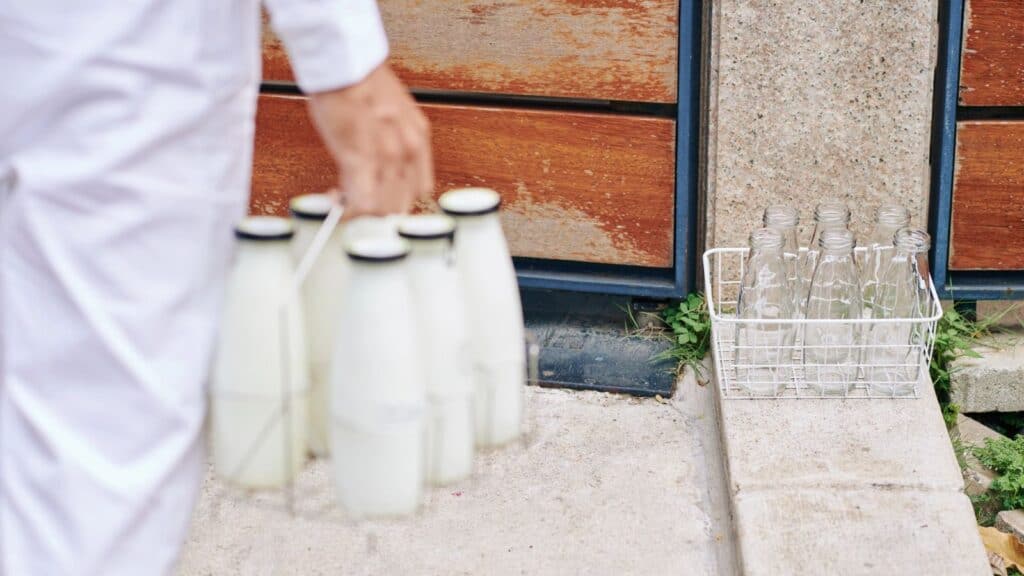
It Was Already There Before You Got Up
Milk delivery could happen while the neighborhood was still asleep. Bart Carrig, writing about Morgan’s Dairy in Little Falls, New York, recalled being awakened at 4 a.m. for route work. On school days, the crew started at 4:30 and finished around 8, hoping to reach school by 8:30, though Carrig said they rarely managed it. By breakfast, the delivery had already happened.
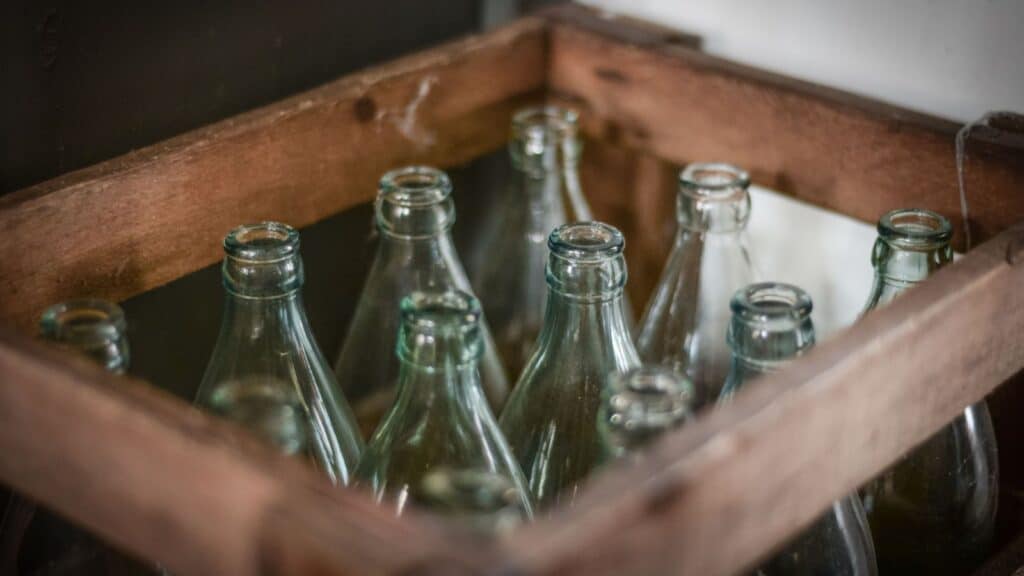
The Empties Went Back Out
The glass bottles were meant to come back. You rinsed them, set them out, and the dairy collected them for reuse. That bottle loop still survives at dairies such as Morning Fresh in Colorado, which says returned glass bottles are washed, sanitized, and reused. Its home-delivery customers can leave empty bottles in the milk box for pickup on the next visit.
Cream Sat at the Top
Before homogenization became standard, milk could separate as it sat. The University of Guelph’s dairy science text explains that fat in raw milk rises and forms a cream layer. Homogenization reduces that tendency by breaking fat globules into much smaller droplets that stay more evenly dispersed. If you remember shaking the bottle before pouring, the cream line was the reason.
Frozen Milk Could Lift the Cap
A bitter morning could turn a bottle into a weather report. In a Spokesman-Review remembrance, writer James A. Nelson described frozen milk pushing upward out of the bottle with the cap still sitting on top. He even remembered judging the cold by how high the frozen milk rose, comparing it with mercury in a thermometer.
The Porch Box Had a Purpose
That metal box beside the door was more than part of the scenery. It helped protect a delivery from heat and cold until someone brought it inside. The practice has not vanished. King Brothers Dairy in upstate New York tells customers to leave out a cooler or porch box and says a driver will not leave an unattended order without one unless prior arrangements have been made.
Butter and Eggs Could Join the Order
Milk was not always the only thing arriving. Carrig remembered Morgan’s Dairy carrying butter, cottage cheese, eggnog, and eggs along with milk. Customers could leave a paper note with the empty bottles, while the route itself ran on shorthand for the household’s usual order. A delivery could be adjusted without turning the weekly stop into a separate shopping trip.
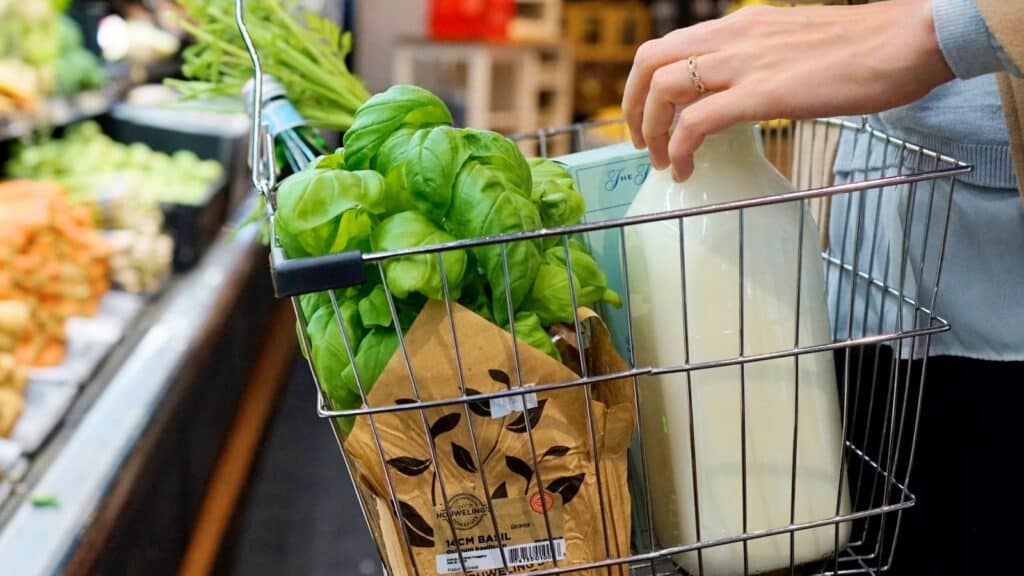
The Route Faded as Store Buying Took Over
Doorstep milk went from a major way Americans bought milk to a shrinking part of the market. A federal dairy-industry report from the early 1970s described supermarkets as the dominant outlet and put home delivery at about 26% of fluid milk sales. It also noted that store sales were rising as retail-route labor costs climbed and milk was usually cheaper per gallon at stores.
The Routine Was the Part That Lasted
What made milk delivery memorable was not just getting a bottle without leaving home. It was having a household task run on a rhythm everyone understood. The empties, notes, porch box, and familiar order all reduced the number of decisions a family had to make. Modern grocery buying gives you far more choice, but the old route shows why a dependable routine can feel like its own kind of convenience.