
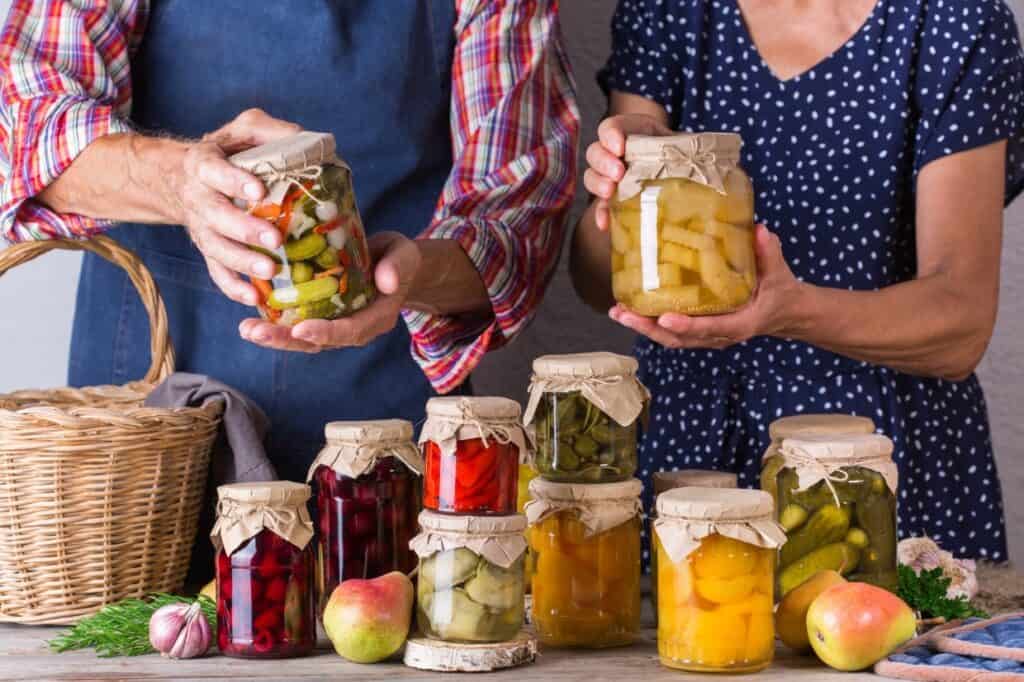
National Canning Day on Oct. 23 celebrates a timeless kitchen craft that continues to thrive. More people are gearing up to preserve their own food, with the U.S. canning jar market projected to expand about 6.3% a year through 2033. The trend suggests growing concern over cost and waste, as home canning becomes economical and sustainable.
This post may contain affiliate link(s). As an Amazon Associate, I earn from qualifying purchases. See Disclosures.
To save money and cut back on store-bought goods, more households are making their own pickles, jams and salsas. Many also take advantage of seasonal produce, preserving fruits and vegetables at their peak to enjoy year-round.
A tradition with deep roots
The history of canning carries as much flavor as the foods it preserves, stretching across centuries of innovation and necessity. Canning’s story begins with Nicolas Appert in 1809, whose breakthrough in food preservation won Napoleon’s prize and paved the way for a global practice. The story took a distinctly American turn in the 19th century, as tins and glass jars became vital tools for feeding armies and expanding frontiers.
By the early 20th century, the U.S. Department of Agriculture had published canning guidelines, and World War I brought nationwide campaigns encouraging households to preserve food as a patriotic duty. That surge continued into the mid‑century, when innovations such as pressure canners made the process safer and more accessible.
A community of home canners
National Canning Day honors a community as strong as the market that sustains it. The U.S. canning jar market topped $900 million in 2024, with 48% of households canning at least once that year. Among newcomers, 62% cited ingredient transparency as their motivation.
Regional energy also keeps the practice vibrant. In the Southeast, North Carolina’s Cooperative Extension reported a record 19,400 participants in canning classes in 2024. Farther north, innovation meets preservation in New York City’s Compost Project, which distributed 500,000 jars for household food‑scrap storage.
These numbers highlight how canning connects heritage with modern needs, and the holiday proves that preservation thrives not only in family kitchens but also in community programs, local economies and eco‑friendly initiatives.
The science of preservation
Food preservation is a safeguard of flavor and safety built on three essentials: heat, sealing and timing. The core principle applies heat to sealed containers, killing microorganisms and deactivating enzymes that cause spoilage so jars remain safe and enjoyable long after harvest.
This heat treatment, known as thermal processing, warms food to precise temperatures for just the right amount of time. The heat destroys bacteria, yeasts and molds, while the sealed container prevents reinfection and creates a vacuum that locks in taste and halts aerobic growth.
Several factors influence the results, from acidity to density and heat transfer. High‑acid foods such as fruits and pickles thrive in boiling water baths, while low‑acid staples such as meats and vegetables demand pressure canning to guard against botulism. Dense foods heat more slowly and need longer processing time, while liquid‑rich recipes like soups transfer heat quickly and shorten the process.
Recipes that celebrate the season
Recipes are at the heart of National Canning Day, with flavors that range from tradition to bold experimentation. Classic jars of pickles, jams and salsas remain timeless staples, while adventurous canners venture into relishes, sauces and even preserved meats.
Each creation captures both the pace of the harvest and the creativity of the cook. Every jar sealed preserves a story and captures a snapshot of the season for future enjoyment.
The lasting value of canning
Canning’s value endures not just in flavor but in its environmental impact. By sealing harvests in jars, households reduce food waste and make the most of seasonal produce.
This practice also eases pressure on supply chains and lowers the carbon footprint tied to out‑of‑season shipping. In every pop of a jar lid, there’s both a taste of summer and a quiet nod to sustainability that helps kitchens waste less and live more responsibly.
Sealed with a smile
The canning tradition blends science, sustainability and community pride. Kitchens and communities alike display jars as markers of resilience and resourcefulness. When lids pop this year, they’ll release not only the flavor of the season but also the reminder that preservation remains as much about joy as it is about food.
Mandy writes about food, home and the kind of everyday life that feels anything but ordinary. She has traveled extensively, and those experiences have shaped everything, from comforting meals to small lifestyle upgrades that make a big difference. You’ll find all her favorite recipes over at Hungry Cooks Kitchen.