
Nobody paddles to a canoe put-in looking for a crowd. The whole point is the opposite: a portage trail that ends somewhere quiet, a lake with no motor noise, a morning where the only thing moving faster than the water is a loon. That instinct drives one of the more unexpected travel stories of 2026, and the numbers behind it are hard to ignore.
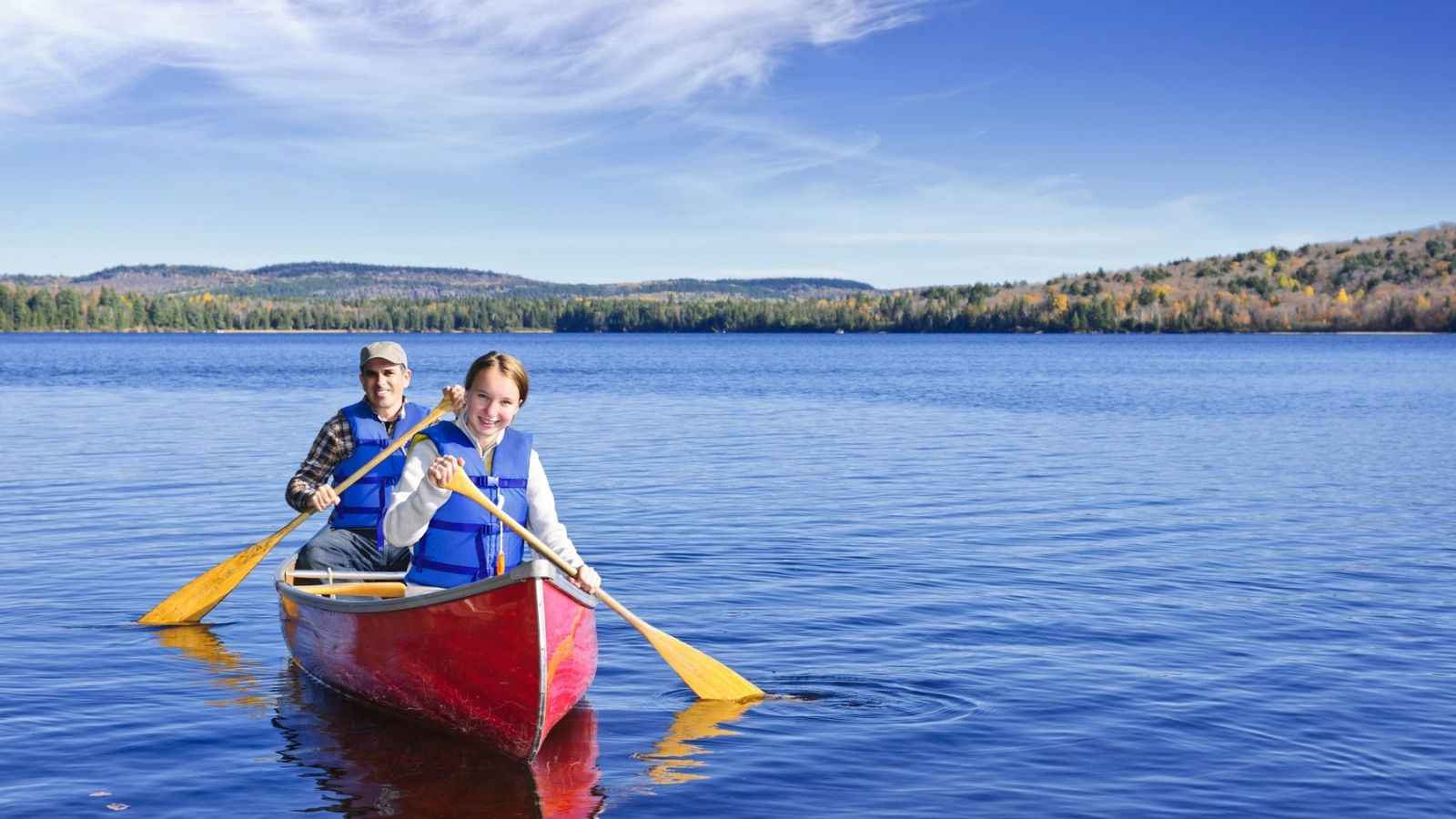
Outdoor travel has been building toward this for a while. National Canoe Day is this Thursday, and the timing could not be better. The canoe asks more of a traveler than a paved trail does, and for a growing share of Americans planning summer trips, that extra effort is becoming part of the appeal. Paddle travel reaches wilderness that no road touches and costs less than most long weekends away, and the waterways stay relatively uncrowded precisely because not everyone is willing to make the carry.
Paddle travel is having a moment
New data shows 43% of global travelers would vacation specifically to feel closer to the natural world, and searches for stays near U.S. national parks are up 35% heading into summer. One in 4 travelers now considers the pursuit of quieter hobbies reason enough to book a trip. Paddle travel fits that demand in ways that resort towns and crowded trailheads simply do not.
Boundary Waters, the gold standard
The Boundary Waters Canoe Area Wilderness in northeastern Minnesota is the most visited wilderness area in the national system for good reason. Spanning more than one million acres along the U.S.-Canada border, the BWCAW contains over 1,200 miles of canoe routes, more than 2,000 designated campsites and more than 1,000 lakes, the vast majority of which prohibit motorized boats.
Permits are available through Recreation.gov, while outfitters in Ely, Minnesota, can provide gear, food and route-planning assistance. Late June offers long days and manageable water temperatures, with a great chance of spotting moose at dawn on the quieter interior lakes.
Maine’s Allagash for the guided paddler
Northern Maine’s Allagash Wilderness Waterway draws paddlers who want experienced guides on the water. Canoe the Wild, a Maine-licensed outfitter based in Weston, runs multi-day trips on the Allagash from late spring through fall, which the outfitter describes as prime time for moose sightings and wildlife photography. The 92-mile waterway threads through lakes, ponds and rivers deep in the north woods, with campsites spaced along the route. The trips include meals, gear and transportation from Ashland and guided support on the water throughout.
The Northern Forest Canoe Trail for distance paddlers
Stretching 740 miles from Old Forge, New York, to Fort Kent, Maine, the Northern Forest Canoe Trail is the longest inland water trail in the United States and one of the least crowded. Paddlers can take on a single section, with the early stretches running through the Adirondack lakes, or plan a multi-week traverse through New York, Vermont, Quebec, New Hampshire and Maine. The trail connects towns, outfitters and campgrounds the whole way, which makes it workable for nearly any experience level and offers more scope than a single overnight permit allows.
A cross-border option worth the drive
For U.S. travelers willing to cross into Ontario, the Canadian Canoe Museum in Peterborough runs voyageur canoe tours on Little Lake throughout the paddling season. The tours are guided group paddles in traditional voyageur canoes that follow the routes of the fur trade era, led by staff who know the history behind every stroke. The museum holds the world’s largest collection of canoes, kayaks and paddled watercraft, and traces its collection to the Indigenous traditions that gave the canoe its form long before European contact.
Where paddle travel goes from here
Paddle travel’s growing appeal tracks a larger pattern in how Americans approach outdoor recreation: less spectacle, more contact with actual wilderness. Waterways stay relatively uncrowded because they ask more of the traveler than a paved trail does, and that extra effort is increasingly becoming part of the attraction. As interest in outdoor recreation continues to grow, canoeing offers an experience that cannot be packaged into a roadside overlook or a quick photo stop.
Mandy is a luxury travel, fine dining and bucket-list-adventure journalist with expert insight from 46 countries. She uncovers unforgettable experiences around the world and brings them to life through immersive storytelling that blends indulgence, culture and discovery, and shares them with a global audience as co-founder of Food Drink Life. Her articles appear on MSN and through the Associated Press wire in major U.S. outlets, including NBC, the Daily News, Boston Herald, the Chicago Sun-Times and many more.