
A mixtape was never just a stack of songs. It was a small engineering project with a deadline, limited tape and no undo button. You learned how long to hold pause, how to rescue loose tape with a pencil and how to fit one last song before the reel ran out. If you made tapes for friends or a crush, the routine became second nature.
The Recording Itself
Waiting by the Radio With Your Finger on Record
You sat through songs you did not want just to catch the one you did. DJs often talked over song intros, so you learned to listen for the moment the music really started and hit record fast. If the host came back before the last note faded, that voice became part of your copy.
Nailing the Pause Button Timing
Record captured whatever the machine heard. Pause decided how cleanly one song ended and the next began. A late press could leave a stray word, burst of static or half-second of unwanted music on the tape. Once it was there, fixing it usually meant recording that section again.
Dubbing Tape to Tape on a Boombox with 2 Decks
A dual-deck boombox made copying a friend’s cassette much easier. One deck played the source while the second recorded onto a blank tape. You still had to pay attention to the available time, especially when the source tape and blank cassette did not line up neatly.
The Packaging Was Half the Gift
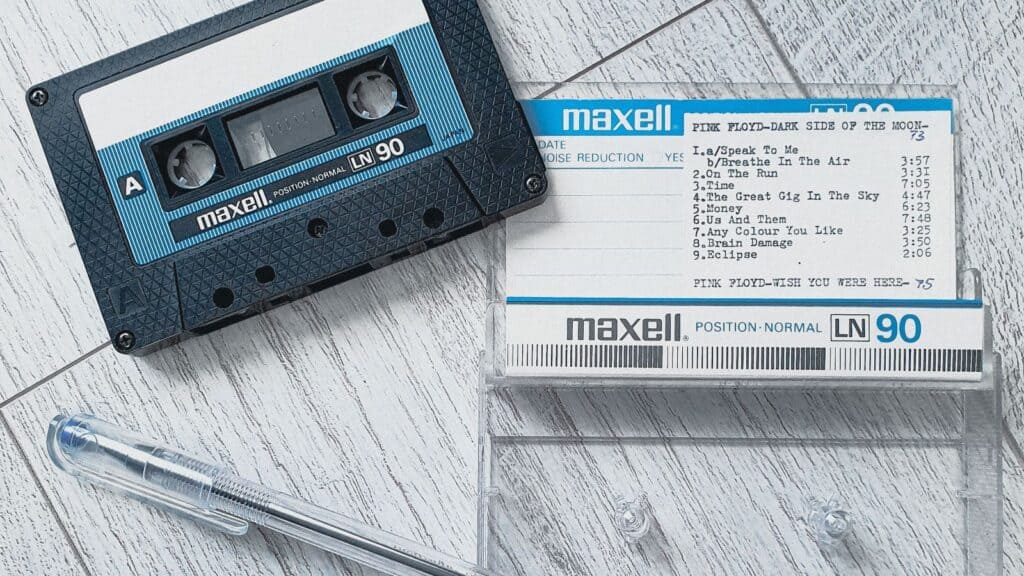
Filling Out the Paper Insert by Hand
The paper insert inside the case became your track list, cover art and personal note all at once. You wrote song titles and artists by hand, squeezed long names into tiny spaces and decorated the empty corners when plain paper felt too boring.
Building a Mix for Someone You Liked
A tape for a crush carried more pressure than a tape for yourself. Song order could say what you were not ready to say out loud. One track that felt too obvious, too gloomy or just wrong next to the previous song could send you back to the recorder.
Trading Tapes Like Currency
Mixtapes passed between friends, siblings and classmates because copying them was easy once you had the right equipment. A good one might be borrowed, duplicated and handed along again. Keeping track of who owned the original case or which copy belonged to whom could get messy fast.
When the Tape Fought Back
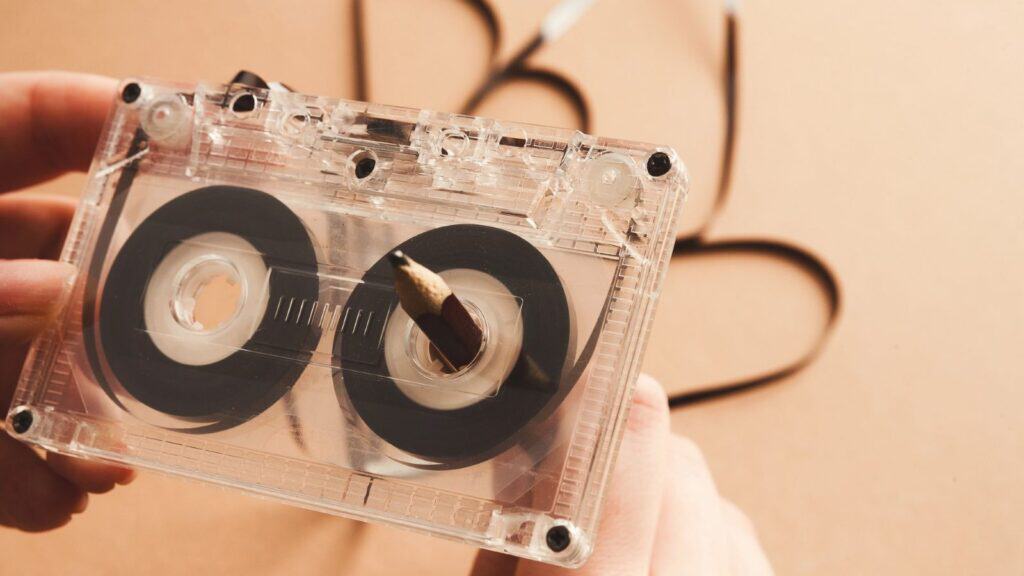
Fixing a Jam with a Pencil
A loose cassette often had a simple fix. You could put a pencil into one of the reel hubs and turn it to take up the slack. Maxell even printed instructions telling owners to use a pencil stub to tighten loose tape before travel.
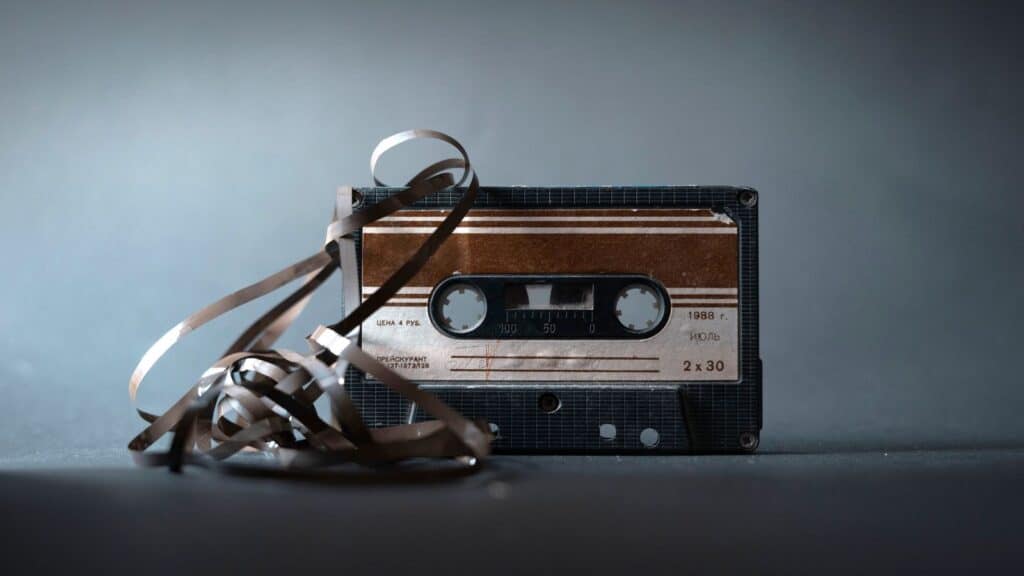
Splicing a Snapped Tape Back Together
A broken tape was not automatically finished. Damaged magnetic tape could be repaired by carefully joining the broken ends with proper audiotape splicing materials. General-purpose adhesive tape was a bad substitute because the wrong adhesive could contaminate the tape or playback equipment.
The Last Song Almost Never Fit
Blank cassettes came with fixed playing times. A C60 gave you about 30 minutes per side while a C90 gave you about 45. That made song order a math problem. If your planned side ran long, you had to cut a track, choose a shorter one or accept an awkward ending.
Brand Loyalty You Would Defend
Maxell or TDK, No In-Between
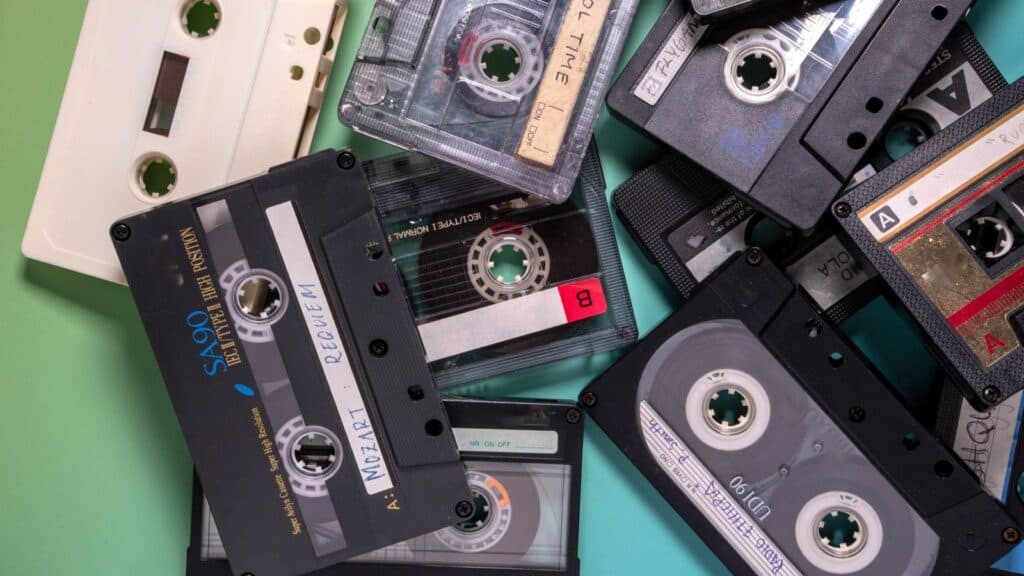
People had favorite tape brands, and Maxell and TDK became two names closely associated with the cassette era. Maxell’s official history dates its UD series to 1970. TDK says its music cassettes helped make the company a household name around the world.
The Car Adapter That Wasn’t Even a Tape
Portable CD players created a compatibility problem for cars equipped with cassette decks. The solution looked like a cassette but did not work like one. A cable ran from the portable player’s headphone output into the cassette-shaped adapter, which transferred the audio through the deck’s playback head. Larry Schotz filed a U.S. patent application for that design in 1986.
Why the Effort Still Sticks
Digital playlists are faster, cleaner and far easier to edit. That convenience also removes the small decisions that once made a mix feel personal. A cassette forced you to spend real time choosing, ordering and recording music for another person. The finished tape carried evidence of that effort, which may be why people can still remember making one decades later even when they have forgotten half the songs on it.