
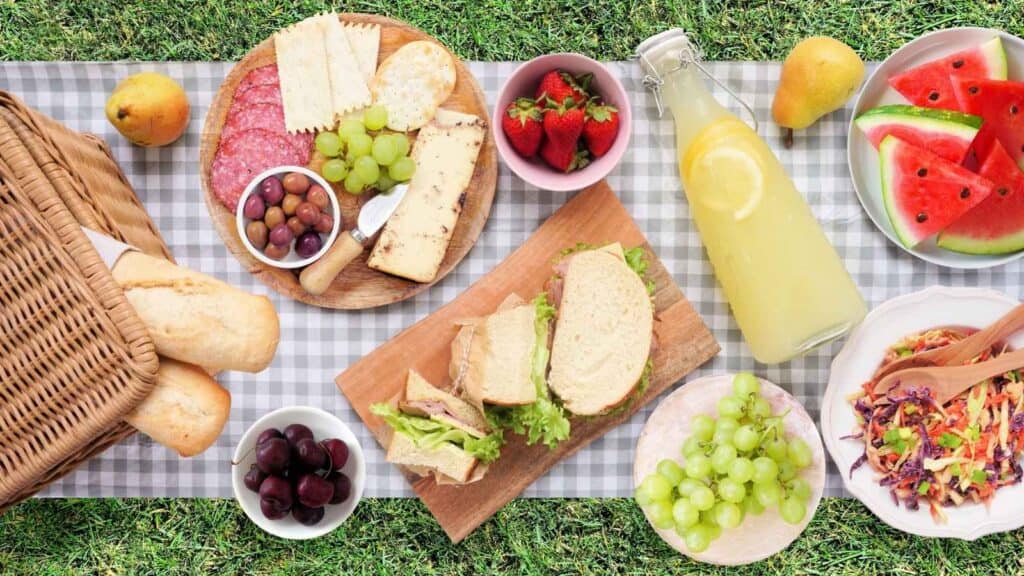
Classic picnic staples hold their ground, and no amount of grocery store innovation seems ready to knock them off the blanket. As National Picnic Day arrives on April 23, what goes into the basket still comes down to what travels well and asks little of the person carrying it. Convenience, it turns out, is the most durable tradition in outdoor dining.
This post may contain affiliate link(s). As an Amazon Associate, I earn from qualifying purchases. See Disclosures.
About 52% of Americans say they love picnics, pointing to steady interest in casual outdoor dining. That plays out in the food people pack, with prepared items and grab-and-go options cutting out extra steps and keeping meals ready as soon as they’re unpacked.
Classic dishes remain go-to picnic foods
Traditional picnic dishes, such as fried chicken, deviled eggs and pasta salads, continue to lead picnic menus because they travel well and hold up through transport and service. These options are ideal for group settings where food needs to move quickly from the cooler to the table. Potato salads with fresh herbs, coleslaw and lemon-based pasta dishes bring lighter flavors that suit spring. Early produce, such as asparagus and peas, often appear in chilled salads, adding freshness without complicating the dish.
Packing also plays a role in keeping these foods reliable. Perishable items are placed together with ice to maintain safe temperatures, while baked goods such as brownies, cookies and muffins travel well without refrigeration. These recipes help streamline planning and accommodate a range of preferences, which keeps menus consistent across different groups.
Convenience sets picnic food choices
Convenience is one of the leading factors when selecting what food to bring, with 47% of Americans placing the highest value on ease when getting and preparing meals. That priority is even stronger among younger adults, which influences what ends up in picnic baskets. Time constraints often lead to a mix of ready-made items and quick-assembly options that reduce the steps required before leaving home.
Outdoor conditions also narrow the options, as limited access to cooking tools favors foods that do not require heating or extra on-site preparation. Group picnic arrangements also guide these decisions, as most people favor meals that divide cleanly into portions and can be served without extra tools in open spaces. Packaging supports this setup, with resealable containers and single-serve options helping manage portions and reduce handling during the meal.
Portable sandwiches lead picnic meal options
About 36% of Americans say they love sandwiches, solidifying their place as a staple in outdoor meals. Their popularity comes from their versatility, with combinations that can be prepared in advance and eaten without disrupting the flow of a group meal.
Common combinations remain widely used, including ham and cheese, turkey with lettuce and tomato, egg salad and tuna salad. To keep bread from getting soggy, spreads such as mayo or mustard are often packed separately and added just before eating. Wrapping each portion in parchment or foil helps keep everything intact during travel. Bread choice also matters, with rolls, baguettes and wraps holding their structure better outdoors than soft sliced bread, which can compress or fall apart.
Shelf-stable snacks fit outdoor eating
Packaged snacks, like chips, crackers and snack bars, remain important in picnic meals because they hold up well without refrigeration, which allows more room for items that need to stay cold. Their flexibility adds to their appeal, with chips doubling as a base for quick nachos when paired with pre-shredded cheese and canned toppings packed separately. Crackers also work well with peanut butter or sealed cheese portions, which can be added as needed with minimal setup.
Advance portioning supports smoother serving by dividing snack mixes ahead of time for easier sharing. This allows the dishes to be allocated without extra containers or utensils and helps keep the distribution more organized during the meal.
Outdoor drinks need minimal serving effort
Beverage choices for picnics center on portability and low-effort handling. Water remains essential for staying hydrated during time outdoors, especially in warmer conditions. Single-serve bottles and cans are widely used as they are easy to carry, pass around and use without additional tools.
Frozen water bottles can be packed with food to keep items cold, then used later as drinking water once thawed. Pre-mixed options such as lemonade or iced tea eliminate the need to mix or measure ingredients on site. Container choice also affects how drinks are handled during the meal, with wide-mouth bottles and reusable tumblers making pouring and sharing more manageable, especially in open spaces where surfaces may be limited.
Classic picnic foods adapt to modern needs
Familiar picnic staples now act as a built-in shortcut, helping people make quicker decisions when time and effort are limited. Instead of replacing them, cooks update these foods through smarter prep methods and improved ingredient pairings that fit current habits. This points to steady demand for reliable options, with future growth likely focused on refining what already works rather than introducing entirely new choices.
Jennifer Allen is a retired professional chef and long-time writer. Her work appears in dozens of publications, including MSN, Yahoo, The Washington Post and The Seattle Times. These days, she’s busy in the kitchen developing recipes and traveling the world, and you can find all her best creations at Cook What You Love.