
Pumpkin cheesecake is built on two ingredients that have carried the wrong names for generations. One name traces to a federal labeling policy issued in 1969, while the other was chosen by a New York cheese distributor in 1880 because a different city sounded more prestigious. National Pumpkin Cheesecake Day is Oct. 21, and it helps to know how both names came about before the next batch goes in the oven.

Most people making pumpkin cheesecake this October will reach for the same two ingredients without giving either label a second thought. The can says pumpkin. The package says Philadelphia. The history of how each of those names got there is the part that never makes it onto the packaging.
The squash behind the season
The pumpkin in most canned-pumpkin products sold in the United States is Cucurbita moschata, the same botanical grouping as butternut squash, not the orange carving pumpkin most people picture. It looks more like a meatier butternut squash with a slightly whitish cast to the skin than the ribbed orange pumpkins lining front porches in October, and much of it grows around Morton, Illinois.
The FDA addressed this in 1969, issuing labeling guidance that allowed golden-fleshed sweet squash to be sold under the name pumpkin. The guidance acknowledged that pumpkins and squash share a genus, and the botanical line between them has never been particularly clear. That guidance has been in place for more than 50 years.
Cucurbita moschata tends to produce a denser, sweeter baked filling than a field pumpkin variety would, holding spice without turning watery or flat. This filling works because this particular variety, not the field pumpkin most people picture, is the right ingredient for the job. It has been from the start.
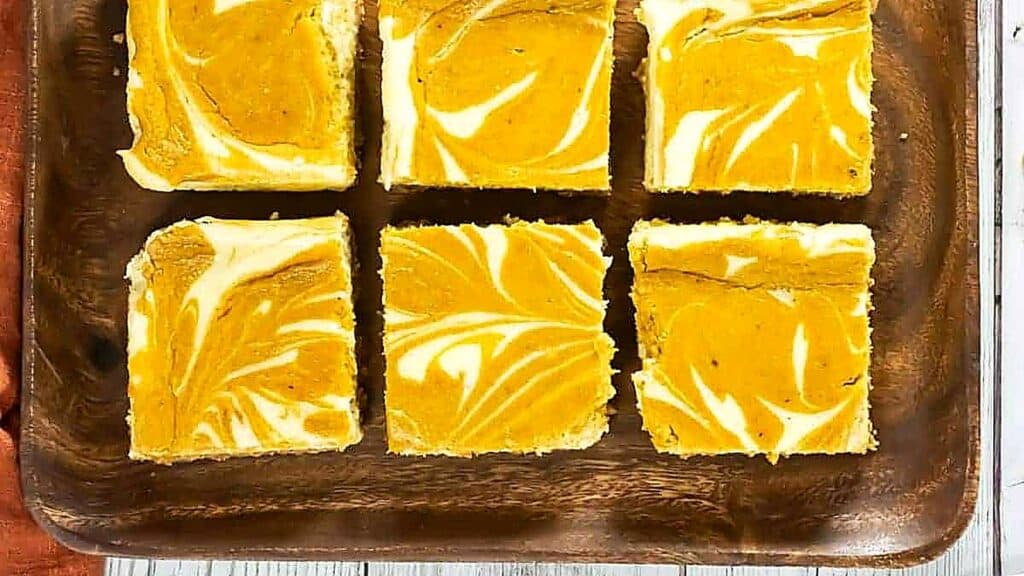
The cheese that got the wrong address
In 1872, a dairyman in Chester, New York, named William Lawrence was working through a batch of “Neufchâtel,” a tangy French soft cheese he had been trying to reproduce, when he added cream to the Neufchâtel and came out with something else entirely. Richer. More spreadable than any soft cheese he had made before. By the time Reynolds took over distribution, Lawrence had been selling it under his own brand for several years.
A cheese distributor named Alvah Reynolds took on larger quantities of Lawrence’s product in 1880 and renamed it. He chose Philadelphia because the city had a reputation for high-quality dairy, while New York, where Lawrence made the cheese, did not. Philadelphia did not produce it when the name was chosen, and early production remained in New York. In the decades that followed, the name passed through multiple owners.
The tanginess that keeps pumpkin cheesecake from tasting like sweetened squash comes from what Lawrence produced in Chester. The name on the package comes from a city that played no part in making it. Every fall, people across the country follow recipes built on those two facts and find the result exactly right.
What October actually tastes like
Pumpkin spice’s grip on fall coffee menus is weakening. Pumpkin led seasonal latte searches in just three states this fall, down from 32 states in 2025 and 48 in 2024, while searches for banana coffee syrup and caramel apple iced coffee both hit all-time highs.
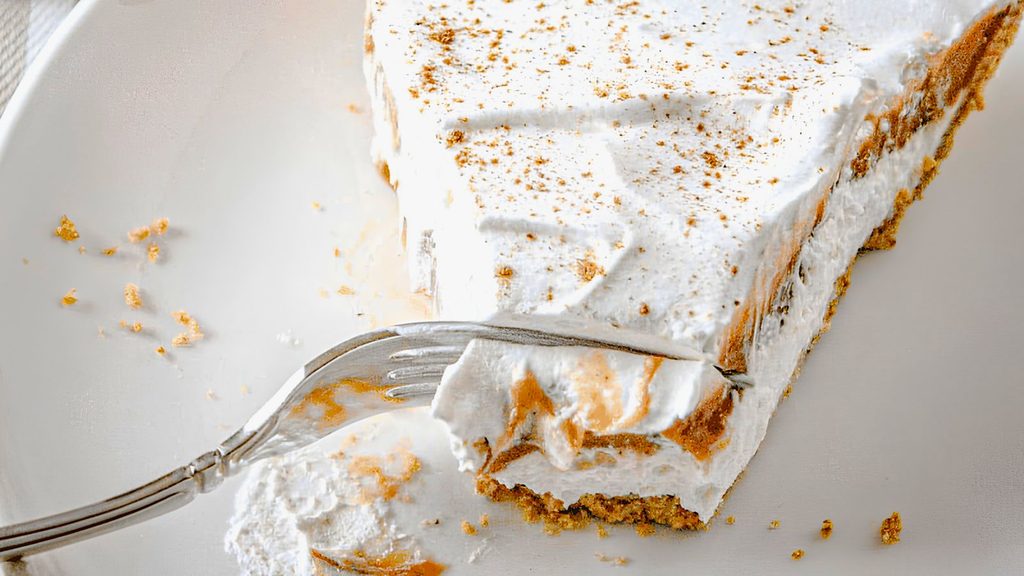
Pumpkin cheesecake has always sat in a different category. Its place on October tables comes from what it is as a dessert: a baked filling built on a squash variety that holds spice without going flat, and a cream cheese base that adds tang rather than sweetness. Many recipes call for an oven, a water bath and an overnight rest in the refrigerator, a combination that has nothing to do with seasonal marketing. A no-bake pumpkin cheesecake skips the oven entirely and still depends on the same two core ingredients.
Built to outlast
Fall flavor is broadening out fast, and the season no longer belongs to a single ingredient as it once did. Pumpkin cheesecake earns its place through what it is, not through what the calendar says. The ingredients that make it work will still do so long after the latte calendar has moved on to whatever comes next.
Mandy writes about food, home and the kind of everyday life that feels anything but ordinary. She has traveled extensively, and those experiences have shaped everything, from comforting meals to small lifestyle upgrades that make a big difference. You’ll find all her favorite recipes over at Hungry Cooks Kitchen.