
National Truffle Day on May 2 celebrates a classic French-style confection made for indulging in small, rich bites. These delightful treats turn chocolate and cream into a dessert that feels polished enough for a gift box and simple enough for a home kitchen. Their charm comes from how easily basic ingredients can become refined, decadent and memorable.
This post may contain affiliate link(s). As an Amazon Associate, I earn from qualifying purchases. See Disclosures.
Chocolate truffles remain significant beyond gift boxes and holiday shelves. A recent report projects the global truffle chocolate market at $16.36 billion in 2026, giving the confection a stronger frame within the premium dessert category. The demand points to a segment where small portions and careful presentation can compete with larger sweets.
Chocolate truffles and lasting prestige
Rich and creamy, chocolate truffles still have a reputation that reaches well beyond special holidays. Market Reports World estimates the global truffle chocolate market to reach $24.53 billion by 2035, with a compound annual growth rate of 4.6% from 2026 to 2035.
Food histories often link the chocolate truffle to Louis Dufour, a pastry chef in Chambray, France, who created the confection in 1895 with chocolate, cream and cocoa powder. The dessert’s rich center, small size and cocoa finish give it a polished feel, while its resemblance to the prized truffle fungus reinforces its luxurious identity.
Why truffles feel premium
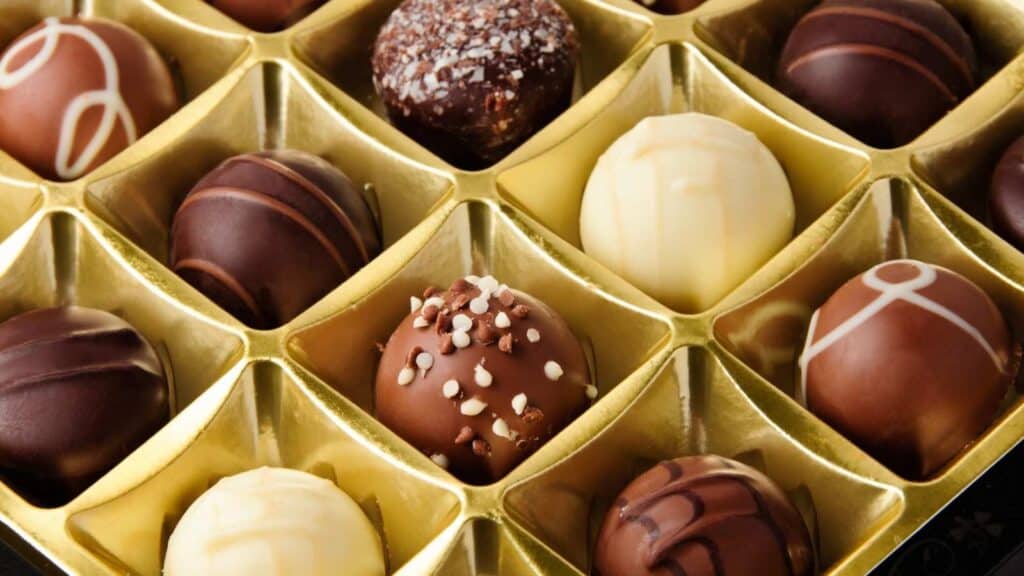
A good truffle earns its price before anyone takes a bite. The center should feel smooth, the coating should look neat and each piece should sit in the box with the same quiet polish people expect from a premium chocolate counter. Small mistakes can quickly make the dessert feel less special; a broken ganache can turn grainy, a soft center can lose its form and uneven coatings can make the whole batch look hurried, even when the flavor still works.
High-end versions often include champagne, espresso, sea salt, pistachios, liqueur centers or single-origin chocolate, but those extras only work when the base holds up. The outside also matters because truffles are often bought as gifts or served as a small final course. A glossy shell, even size, paper cup or tidy box can make a few pieces feel generous before the first bite, proving that finish can carry nearly as much weight as flavor.
Simple ingredients, rich payoff
A classic chocolate truffle begins with ganache, usually made by pouring warm cream over chopped chocolate until the mixture turns smooth and dense. Once chilled, the center can be rolled in cocoa powder, covered with chopped nuts or dipped in tempered chocolate.
The process keeps the dessert within reach for home cooks, as it does not require baking, large equipment or a long list of specialty items. A cook can start with good chocolate, heavy cream and cocoa powder, then decide how simple or polished the final piece should look.
A truffle packs chocolate and cream into a small serving, so the bite feels full without cake, frosting or extra decoration. The coating gives the piece enough structure to hold its form, while the center carries the deeper flavor that makes the dessert feel generous despite its size.
A luxury dessert within reach
Truffles suit home kitchens because they deliver a polished result without asking cooks to take on a full pastry project. This practicality keeps the dessert useful for holidays, dinner parties and last-minute gifts, as they can chill in advance, pack neatly in a box and deliver an expensive look people expect from a special treat.
Cocoa powder offers the easiest finish because it softens rough edges, adds a slightly bitter note and keeps the focus on the chocolate center. Chopped nuts or chocolate shavings can give the pieces a more finished appearance while still keeping the process manageable for a home cook.
Homemade and professional truffles differ
Chocolate truffles remain approachable, though texture, coating and presentation separate a homemade batch from a luxury confectionery product. The ingredients may look similar at the start, but the outcome reveals the care behind each piece, from the smoothness of the center to the size and finish.
Home cooks can get close to flavor because truffles do not require baking or rare ingredients. A good chocolate bar and fresh cream can produce a rich center, while cocoa powder or chopped nuts can cover small flaws and make the pieces look ready to serve.
Professional makers usually gain the edge through smoother ganache, cleaner coatings and stronger uniformity across every piece. They also control consistency across batches, shelf life and retail-ready presentation, helping premium truffles hold value in the chocolate market.
Chocolate truffles hold luxury value
Chocolate truffles earn their spot because they fit how people often want dessert now: rich, portioned and easy to share. A box can become a personal treat or a small gift passed across a table, which gives the confection a role beyond the candy counter. When chocolate tastes smooth and feels generous in one bite, the dessert does not need much else.
Zuzana Paar is the visionary behind five inspiring websites: Amazing Travel Life, Low Carb No Carb, Best Clean Eating, Tiny Batch Cooking and Sustainable Life Ideas. As a content creator, recipe developer, blogger and photographer, Zuzana shares her diverse skills through breathtaking travel adventures, healthy recipes and eco-friendly living tips. Her work inspires readers to live their best, healthiest and most sustainable lives.