
Nature-based dining, centered on food sourced straight from the environment, is moving from chef-driven concept to home cooking as Americans bring the outdoors to the dinner table. While families turn to local farms and markets for fresh, seasonal food, communities seek deeper connections through foraging and farm education. Small producers and guides lead this hands-on approach to eating with responsible harvesting in mind.
This post may contain affiliate link(s). As an Amazon Associate, I earn from qualifying purchases. See Disclosures.
Home kitchens across the country bring this farm-to-table movement to daily meals through simple cooking. Grilling and roasting fresh produce, along with shopping at nearby markets, keep food flavorful while supporting small farms and local food systems.
Embrace nature-based dining
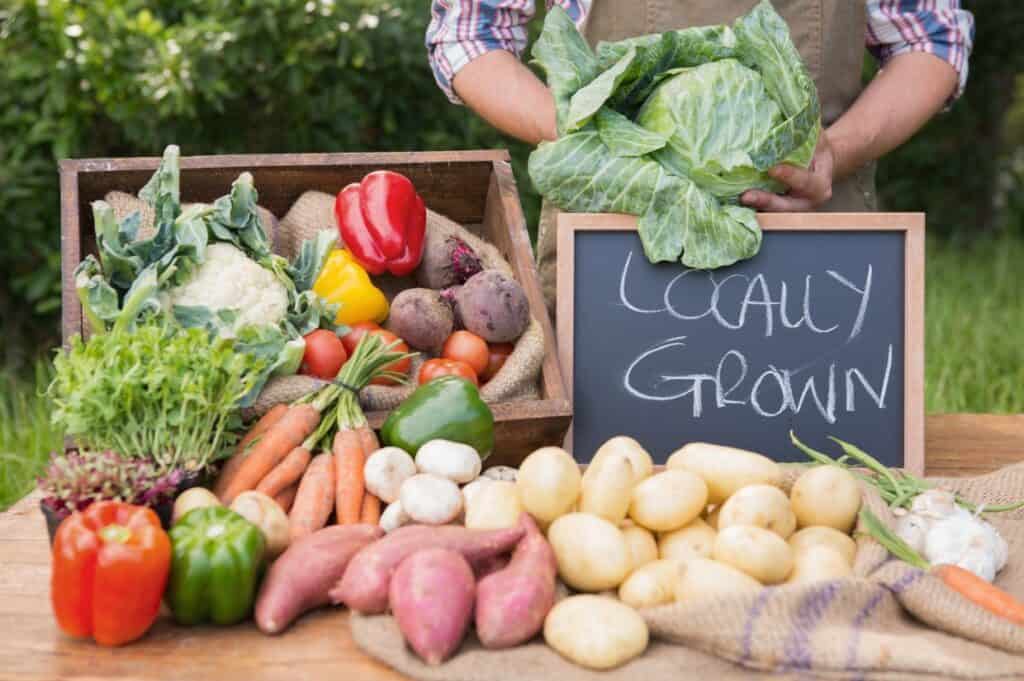
Nature-based dining is reaching home kitchens as more people choose food from nearby farms over distant suppliers. Sourcing from growers close to home keeps ingredients fresh and shortens the trip from field to table. This shift supports local farmers, demonstrates sustainable practices in action and gives families more confidence in where their food comes from.
Farm-to-table is no longer just a restaurant idea. Home cooks ask about the source of their produce, eggs and meat at markets and grocery stores. Many also start small gardens or join farm shares to bring fresh food home.
Cooking with local ingredients has become part of the routine, with meals built around what’s in season. Alongside plant-forward eating and a focus on sustainability, these changes link food choices with climate, health and ethics.
Community connections
Across the country, farms, chefs and guides are finding new ways to connect people with the land and with each other, and nature-based dining is at the center of it. These gatherings turn meals and outdoor experiences into opportunities to learn, taste and engage with the places that grow our food.
Blue Hill at Stone Barns in New York offers a well-known farm-to-table experience where guests dine within sight of the fields and pastures that supply the ingredients. Menus are not fixed but shaped by the season’s harvest, and reservations include a set-price experience that reflects what is growing on the farm at that time.
Foraging tours are also growing in popularity in places where guides teach participants how to identify edible plants responsibly. In Oregon, John Kallas and his Wild Food Adventures share knowledge through workshops, expeditions and publications that focus on the past, present and future uses of wild foods. Their programs bridge technical expertise with cultural traditions, underscoring the value of responsible practices and respect for local ecology.
Jesse of Feral Foraging leads classes and guided walks that introduce people to seasonal mushrooms and native greens, both online and at events in the Pacific Northwest. His mission is to empower others to become confident and ethical foragers, creating a community deeply rooted in the land and inspired to protect it.
Nature-based dining at home
In home kitchens, nature-based dining is flexible and works best when it encourages creativity. Grilling vegetables adds depth of flavor and strengthens the link between a meal and its ingredients, especially when cooks emphasize freshness and simplicity.
Shopping at local farmers’ markets also supports small producers while ensuring a steady supply of fresh ingredients. The practice brings growers and consumers together directly, reinforcing community ties and building appreciation for local food systems.
From market to meal, fire-roasted recipes, such as corn on the cob with chili butter or cast-iron skillet peaches with honey, carry the spirit of outdoor cooking into the kitchen. Aligning meals with the seasons also deepens the connection between food and the natural world, giving home cooks both flavor and meaning.
Everyday rituals
Simple food rituals can bring nature into daily life. Visiting a weekend farmers’ market for just-picked produce, trying a peak-season recipe with wild mushrooms or joining a neighbor’s backyard swap ties eating to what’s growing nearby. These choices connect meals to the season and the land that sustains them.
In the same spirit, adding simple herbs like mint from a home garden to a cup of tea can enrich daily rituals. Sharing homemade meals outdoors with family or friends strengthens bonds and deepens the connection to food and place.
These practices remind us that nature and nourishment can come together in ordinary settings. Whether on a park bench, in a backyard garden or at a community green, each instance adds meaning to meals and grounds them in place.
Stay connected through food
Nature-based dining offers a practical way to stay connected with food and community. Farm-to-table meals, foraging experiences and mindful home cooking all point to a shared move toward eating what grows close to home. Choosing local and seasonal food supports small producers and sustains regional traditions and strengthens the bond between people, the land and one another.
Zuzana Paar is the visionary behind five inspiring websites: Amazing Travel Life, Low Carb No Carb, Best Clean Eating, Tiny Batch Cooking and Sustainable Life Ideas. As a content creator, recipe developer, blogger and photographer, Zuzana shares her diverse skills through breathtaking travel adventures, healthy recipes and eco-friendly living tips. Her work inspires readers to live their best, healthiest and most sustainable lives.