
Potluck meals are making a comeback in offices, apartment buildings and neighborhood gathering spaces as hosts look for practical ways to feed a group. Shared sign-up lists, store-bought platters, homemade dishes and simple ingredient labels make the table easier to assemble, while the format spreads cost and effort across the room instead of leaving one person to handle the meal.
This post may contain affiliate link(s). As an Amazon Associate, I earn from qualifying purchases. See Disclosures.
More Americans are spending time in shared settings, bringing renewed relevance to group meals across work and community life. With about 62% of full-time U.S. employees working fully on-site over the past year, offices remain part of the story, while the same low-cost format also fits apartment socials, church events and neighborhood gatherings.
Office lunches bring back potluck traditions
Many workplaces have revived potluck lunches as employees spend more time on-site during the workweek. About 26% of full-time employees worked in hybrid arrangements over the past year, widening the number of workplaces where shared lunches still fit the routine. Teams often schedule these meals during longer lunch windows or casual staff gatherings, giving colleagues time to step away from daily tasks and talk in ways that rarely happen during a normal workday.
Organizers usually coordinate the event through a brief internal message that lists the date, location and setup for the lunch. Employees bring dishes based on personal taste, favorite recipes or foods they enjoy serving to coworkers. The result is a table filled with different dishes that often spark conversation while colleagues eat and spend time together.
Neighborhood hosts organize community meals
Residential communities often organize potluck meals that bring neighbors into shared spaces. Apartment buildings, condominium associations and suburban blocks use courtyards, clubhouses or lawns where households can bring food and spend time outside their usual routines.
Neighbors often come from different regions and cultural backgrounds, so the table usually includes a wide mix of dishes connected to family traditions. Many gatherings take place during seasonal block events, weekend socials or welcome nights for new residents. Over time, these meals become a familiar part of community life and give residents a reason to step outside and take part.
Ingredient labels support dietary awareness
Dietary needs change how shared meals are organized, and ingredient cards are becoming a standard part of the potluck table. Small labels beside each dish often list the main ingredients, flag common allergens such as nuts, dairy and gluten and note whether a food is vegetarian, vegan or gluten free.
The added information gives guests a faster way to decide what they can eat. People managing food allergies or following specific eating plans do not have to stop and ask about each dish before serving themselves, and the line moves more smoothly when fewer questions need to be answered in the moment.
For hosts, labeling dishes is becoming part of basic potluck preparation. Writing ingredient cards ahead of time helps organizers prepare for a mixed group and makes the meal easier to coordinate.
Grocery stores offer foods for sharing
Grocery retailers have expanded prepared food sections to serve customers purchasing food in larger portions. Many supermarkets now dedicate larger deli and bakery areas to items packaged for multiple servings. Sandwich platters, pasta trays and dessert assortments often appear in displays designed for shoppers planning events.
Retailers also design packaging that makes transport easier from the store to the destination. Sturdy lids, divided trays and stackable containers help keep food stable while customers travel, allowing dishes to arrive intact and ready for serving.
Prepared food departments continue to adjust menus as retailers track demand for convenient group portions, with stores regularly updating selections so shoppers can choose ready-to-serve items suited for different occasions. Seasonal rotations also introduce additional dishes throughout the year.
Home cooks still bring traditional recipes
Many potluck tables still include dishes from family recipes passed down through generations. Favorites such as baked casseroles, deviled eggs, macaroni salad and homemade desserts often appear because they hold meaning in many households.
Some guests also talk about where a recipe came from or how it became part of their family’s regular cooking. Stories about preparation methods or ingredient choices often come up as others ask about a dish on the table, allowing participants to share a small part of their household traditions through food.
The modern potluck keeps the table full
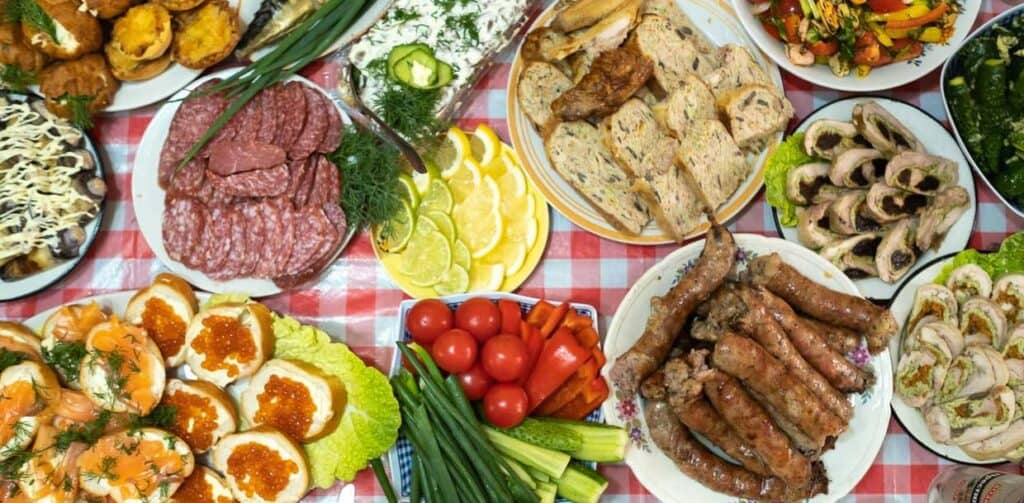
As potlucks return to offices and neighborhoods, the format favors ease over strict tradition. Hosts send out a quick invite, guests arrive with something to share and the table fills up without much fuss. The modern potluck keeps the spirit of the tradition alive while proving that a good gathering does not need a rulebook.
Mandy Applegate is the creator behind Splash of Taste and seven other high-profile food and travel blogs. She’s also the co-founder of Food Drink Life Inc., a unique and highly rewarding collaborative blogger project. Her articles appear frequently on major online news sites, and she always has her eyes open to spot the next big trend.