
You bought a nonstick pan, used it faithfully and for a while, it was perfect: eggs slid out clean and pancakes flipped without a fight. Then one day, without any obvious reason, everything started sticking. Most people assume the coating wore out and that nonstick cookware is disposable by design, but the nonstick layer didn’t fail on its own; it was worn down by habits so common that most home cooks don’t realize they’re doing damage.

This post may contain affiliate link(s). As an Amazon Associate, I earn from qualifying purchases. See Disclosures.
Nonstick pans are simple to use, but they operate by a different set of rules than stainless steel or cast iron. Treat them right, and a good one can last far longer than most people expect.
Mistake 1: Using too much heat
This is the most common mistake, and it happens because nonstick pans look like any other pan. But nonstick coatings are engineered for low to medium heat, and that’s the entire range they’re designed to work in.
When you turn up a burner the same way you would for stainless steel, you’re subjecting the coating to temperatures it wasn’t built for. Nonstick coatings start degrading around 400-500 degrees Fahrenheit. High heat degrades the surface over time, causing it to break down, flake and lose its slipperiness.
You probably won’t see it, but eventually, food starts sticking. So keep the heat at medium or below for almost everything you cook in nonstick cookware.
Mistake 2: Preheating an empty pan
Many cooks have the habit of putting a pan on the burner first and letting it heat up before adding any food. With stainless pans, that’s often a good technique, but with nonstick, it’s a problem.
Nonstick skillets heat up extremely fast, and an empty one can reach damaging temperatures in under a minute on a medium burner. Without oil or food to absorb and distribute that heat, the nonstick layer takes the full brunt of it. Even short periods of heating can shorten the lifespan of nonstick cookware.
A better approach is to add a small amount of fat before the pan gets hot, or add your ingredients right as it’s warming up. These methods protect the coating.
Mistake 3: Using the wrong utensils
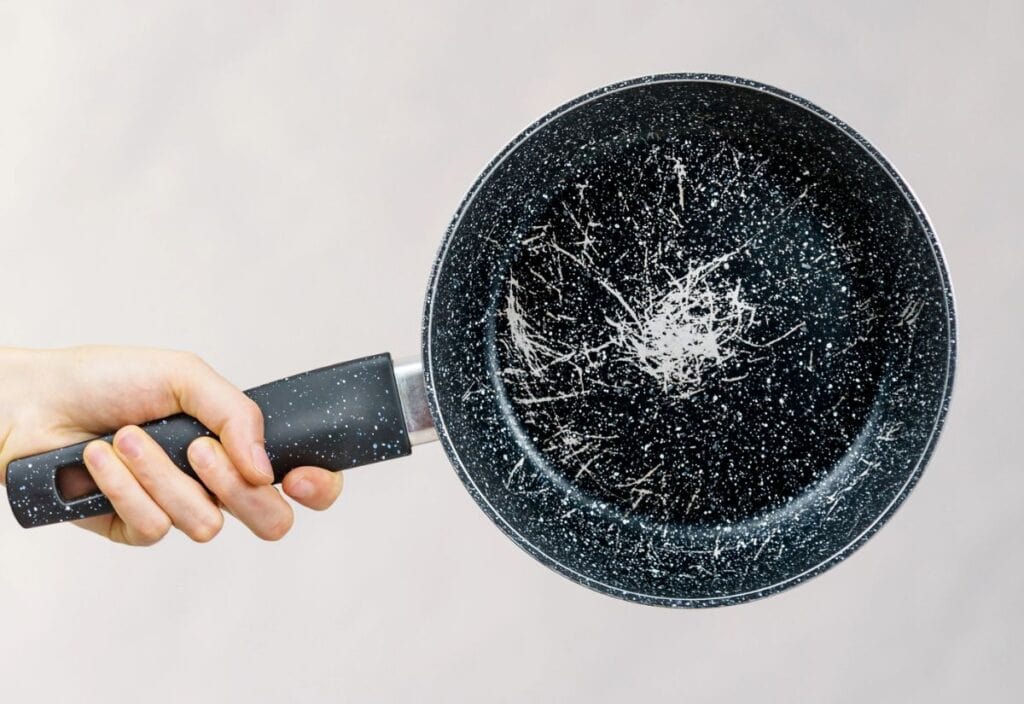
Most people know that metal utensils can scratch nonstick pans, but they underestimate how quickly small scratches turn into real damage. A single aggressive scrape with a metal spatula won’t ruin a pan. But repeated scraping gradually damages the finish.
Silicone, wood and nylon utensils are the right tools for the job. They’re gentle enough to leave the coating intact even with regular use. A silicone spatula costs very little and will significantly extend your pan’s life.
Mistake 4: Cooking foods that require high heat
Nonstick skillets excel at a specific set of tasks: eggs, pancakes, crepes, fish fillets and other delicate foods that would stick and fall apart using a different pan. For those jobs, it is difficult to beat them.
Where they fall short is high-heat searing. Nonstick coatings reduce friction between food and the pan, which also limits the deep browning that occurs when proteins briefly stick before releasing. If you want a proper crust on a steak or deeply browned chicken thighs, a nonstick skillet is the wrong tool.
In addition, searing requires temperatures that exceed the nonstick layer’s design limits. Using nonstick for high-heat cooking can damage the pan and deliver mediocre results. Use your nonstick cookware for what it does best and reach for a different pan when the job calls for it.
Mistake 5: Cleaning the pans the wrong way
The dishwasher is convenient, but it’s hard on nonstick coatings. The combination of high heat and harsh detergents breaks down the surface faster than hand washing does. Most nonstick manufacturers recommend handwashing, and it’s worth following their directions.
Using abrasive scrubbers is another common mistake. Steel wool and rough scouring pads scratch the surface just like metal utensils do. A soft sponge and warm, soapy water are all you need for routine cleaning.
Another thing people overlook is burnt oil buildup. A thin layer of polymerized oil can accumulate on the cooking surface over time, creating a sticky film that undermines the nonstick properties.
If your pan feels less slippery than it used to, even after washing, this is often why. A gentle scrub with a small amount of baking soda can clear the buildup without weakening the surface.
Mistake 6: Using aerosol cooking spray
Cooking sprays seem like the obvious choice for a nonstick pan, but aerosol sprays leave behind a residue that regular washing doesn’t fully remove. Over time, that buildup interferes with the pan’s nonstick surface.
A small amount of butter or regular oil, applied with a paper towel or added directly to the pan, prevents buildup. For most nonstick cooking, you don’t need much oil; just use enough to add flavor and help with heat distribution.
Mistake 7: Expecting the pan to last forever
Even well-cared-for nonstick cookware has a finite lifespan. The coating wears down with normal use, and eventually the pan will need to be replaced. For most home cooks, using a quality pan thoughtfully should last three to five years.
For someone making many of the mistakes above, it might be just one year. The signs that it’s time to replace a pan are visible scratches, flaking coating, dark stains that won’t wash off or food sticking. A pan showing those signs has done its job and should be retired.
Use nonstick pans the right way
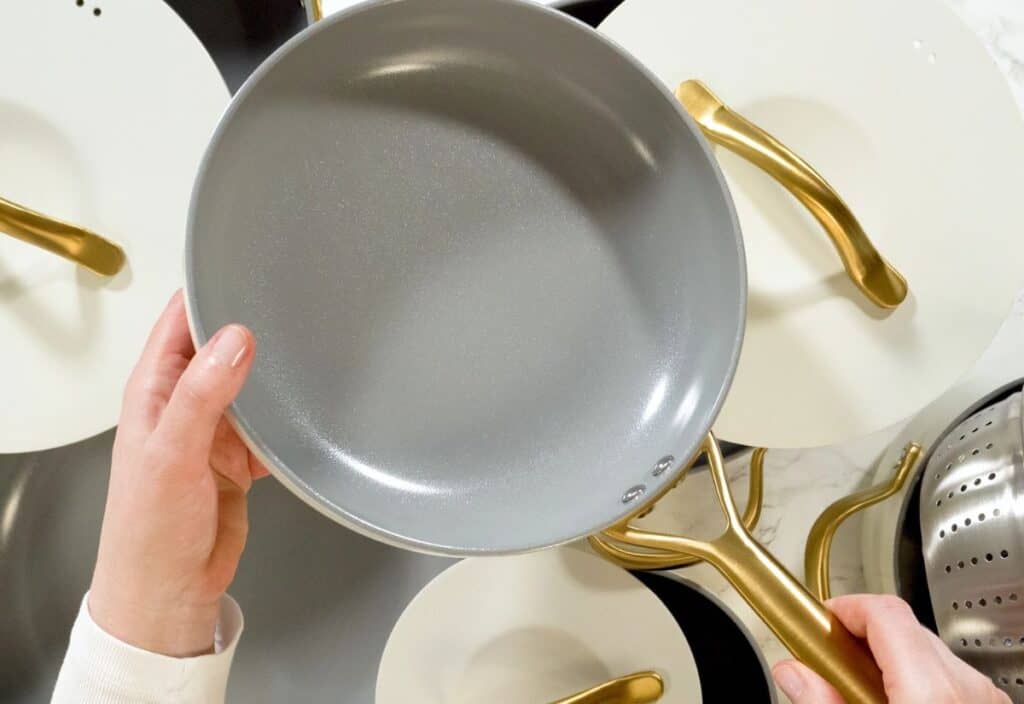
Nonstick pans aren’t fragile, but they do have their own rules. Follow them, and a good pan will stay slick and reliable for years, not just months. For eggs, pancakes, delicate fish or anything that needs a gentle, forgiving surface, there’s no better tool in the kitchen.
Most of the problems people run into come from treating nonstick cookware the same way they’d treat stainless steel or cast iron. Those are different surfaces with different rules. Avoid these common mistakes, and your nonstick pan can last for years.
Anne Jolly is a seasoned writer and creator of the Upstate Ramblings blog, which explores America’s unique food culture. Her work on culinary trends and food traditions has appeared in major publications, including MSN, Fortune, The Mercury News, The Seattle Times, St. Louis Post-Dispatch and Education Week. When not writing, she experiments with new recipes and discovers local food gems in upstate New York.