
The apples that built American cider were ugly, bitter, and largely inedible out of hand. Commercial orchards replaced them decades ago with fruit that looked good in a bin and shipped without bruising. Now those forgotten varieties are back, and the cider they produce is winning medals at the world’s biggest competitions.
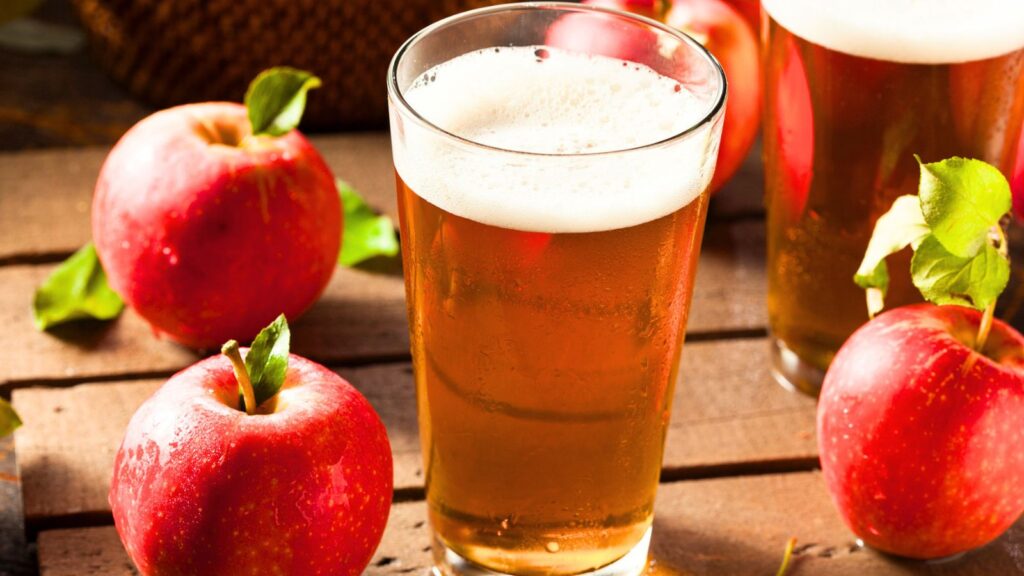
Heritage cider apples were bred for fermentation, not for snacking. Varieties like Kingston Black, Harrison and Ashmead’s Kernel carry levels of tannin, acid and aromatic complexity that Fuji and Gala were never selected for. The difference shows up in the glass the same way it does between a wine grape and a table grape. Most of these varieties quietly disappeared when commercial agriculture consolidated around uniform, shippable fruit. A handful of growers kept the trees in the ground anyway.
The Competitions Are Paying Attention
At the 2026 Northwest Cider Cup, single-varietal entries surged 30% over previous years, with Kingston Black and Golden Russet appearing more than in any prior competition. The Great Lakes International Cider and Perry Competition drew more than 1,100 entries from around the world in its 20th anniversary year. Heritage varieties earned top placements in the heirloom categories, with one cidery sweeping the entire Heirloom Cider – Sweet podium. Colorado’s Snow Capped Cider set a new GLINTCAP record with 14 Best in Show placements and took Midsize Producer of the Year for the third year running.
The Orchards Doing the Actual Work
In Asbury, New Jersey, Ironbound Farm grows what it describes as the state’s largest collection of historic Newark and New Jersey cider apples, including Harrison, Canfield and Graniwinkle. Those three varieties were identified in 1817 as the backbone of Newark’s earliest cider industry. Harrison was considered lost for decades before being rediscovered in New Jersey. In Virginia, Albemarle CiderWorks and Vintage Virginia Apples have been running a parallel effort since 2000. Their Rural Ridge orchard outside Charlottesville holds more than 200 cultivars, and their nursery offers more than 100 heritage fruit tree varieties each fall for growers who want to plant their own.
Where the Apple Grows Changes Everything
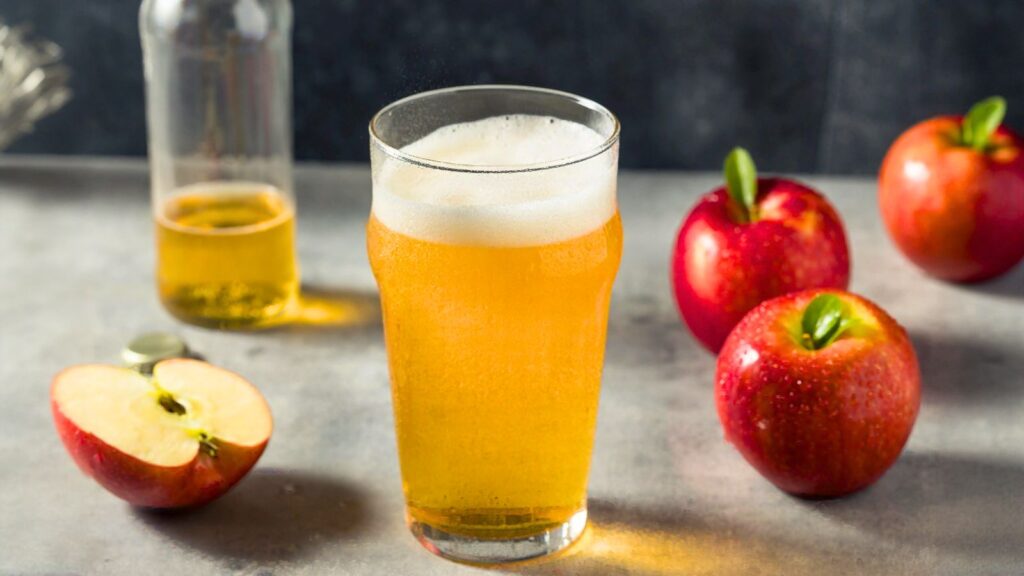
At 6,130 feet in Colorado’s Surface Creek Valley, Snow Capped Cider grows more than 150 varieties at one of the highest-elevation cider orchards in the world. The altitude brings UV exposure roughly 30% greater than at sea level, with warm days and cool nights that concentrate sugar, acid and flavor in the fruit. In Vermont’s Northeast Kingdom, Eden Ciders takes a different route, growing more than 35 varieties using biodynamic methods and sourcing rare cultivars from a network of small partner farms, many with decades-old trees. Varieties like Esopus Spitzenburg, Roxbury Russet and Black Oxford go into Eden’s ice ciders and harvest ciders with an emphasis on preserving what makes each one distinct.
Fall harvest is underway and the 2026 fruit is pressing now. If your cider habit has stayed in the grocery store lane, this is a good season to wander off it.