
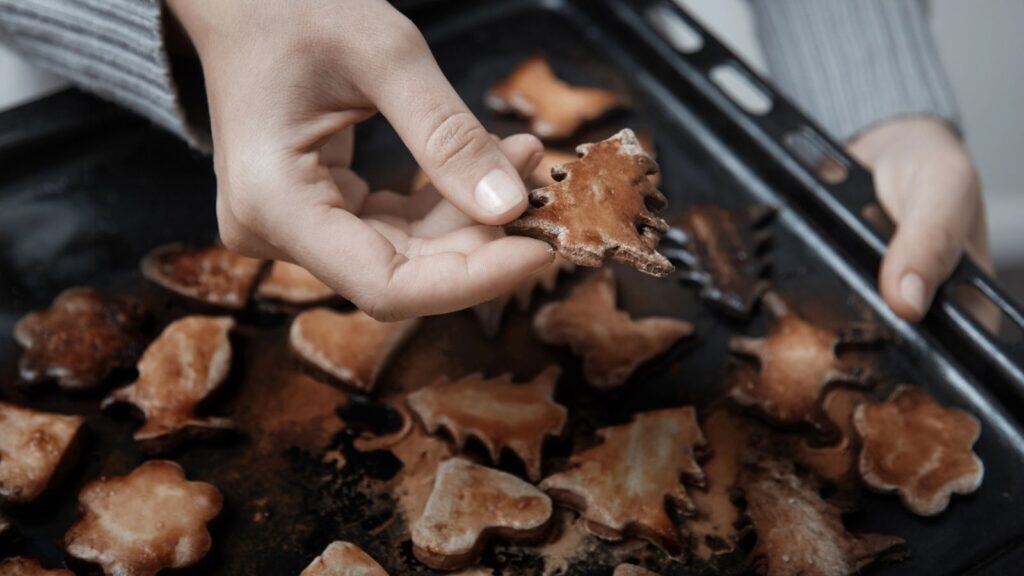
An oven that cooks unevenly is one of those kitchen problems that hides in plain sight. You pull a tray of cookies out of the oven, and half of them look perfect while the others are burnt on one side; or a casserole bubbles aggressively in one corner and sits barely warm in another. Most people assume they did something wrong, so they go back and re-read the recipe, but the recipe is rarely the problem.
This post may contain affiliate link(s). As an Amazon Associate, I earn from qualifying purchases. See Disclosures.
The culprit is almost always the oven, not the cook. And once you understand what’s causing uneven cooking, fixes are surprisingly simple and fast.
Your oven probably has hot spots
Even brand-new ovens don’t heat evenly. Heat comes from specific elements, which create hotter and cooler zones that vary more than you’d expect. The best way to work around this is to rotate your pans halfway through cooking, moving them front to back and turning them 180 degrees. It is simple, but it makes a real difference. The key is not letting anything sit in the same spot for too long.
Rack position matters
Where you place your food inside the oven has a big effect on the result. The top of the oven gets more direct heat from the upper element, which speeds up browning. The bottom runs hotter because it sits close to the lower element.
The middle of the oven, by contrast, has the most consistent temperature, which makes it the best spot for most baking. For everyday cooking, the middle rack is a reliable default. But knowing how the other positions behave gives you more control.
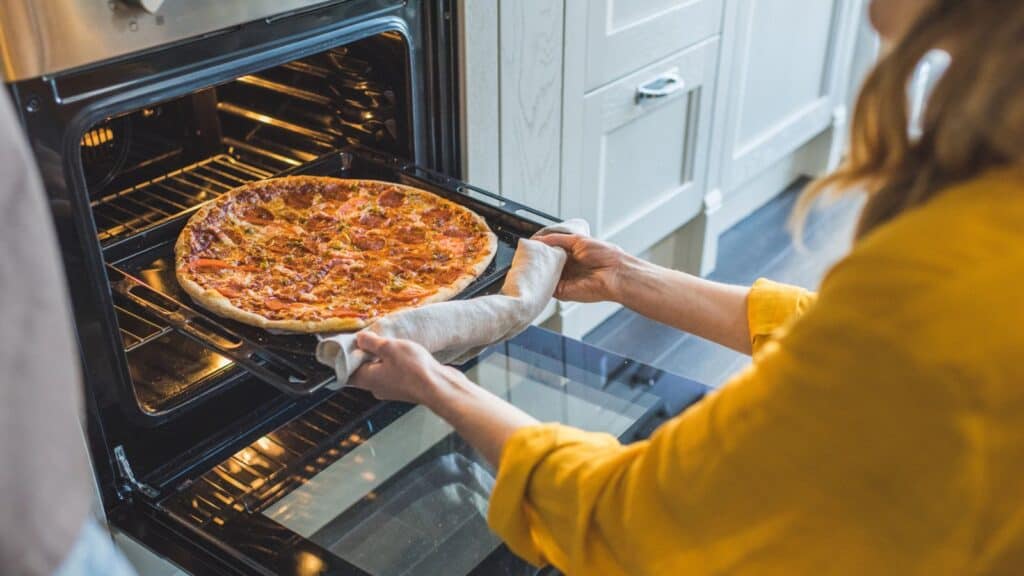
If your scalloped potatoes need more color on top, moving them up a rack can get you there without changing anything else. If the bottom of something like pizza needs to crisp up, dropping it lower will help. Start thinking about rack position before you slide something in, rather than leaving it wherever it was from last time.
You’re crowding the oven
Ovens cook by circulating hot air, and when you pack in too many pans at once, that airflow gets blocked. The result is uneven cooking, with some things overdone while others lag, even when everything went in at the same time and temperature.
The fix is straightforward: leave space between the pans so air can move freely around them. If you’re using multiple racks, stagger the pans rather than placing them directly above each other. When you’re cooking a large meal and can’t avoid some crowding, rotate the pans halfway through so each pan spends time in a better position.
If your oven has a convection setting, it can help with more even cooking because the fan circulates hot air, but it’s not a fix for crowding. You still need to leave space between pans and rotate them if you’re cooking multiple dishes at once.
The oven temperature might be wrong
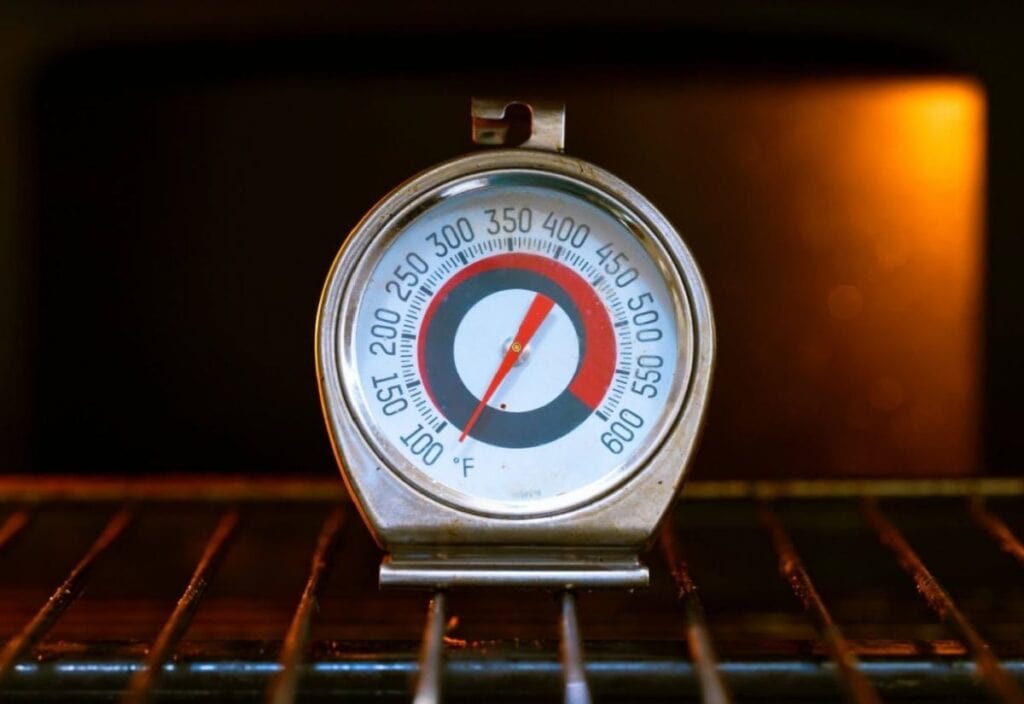
Many ovens don’t run at the temperature shown on the dial, and being off by even 25 degrees can throw off a recipe. It’s a common source of uneven or unexpected results.
An inexpensive oven thermometer is the easiest way to determine whether your oven runs hot or cold. Place it inside, set the oven to a standard temperature and compare. If your oven runs hot, dial the setting down slightly to compensate, and if it runs cool, bump it up.
Pay attention to patterns over time. If things are consistently overbrowning before they’re cooked through, or consistently taking longer than recipes suggest, those are reliable signs that your oven isn’t running at the temperature you set.
Your bakeware matters
The pan you use has more influence on your results than you realize. Dark pans absorb more heat and cook faster, which can result in overdone bottoms before the rest of the food has caught up. Thin pans heat unevenly across their surface, while glass and metal behave differently, particularly for baking, where temperature consistency matters.
When you have a choice, lighter-colored and heavier pans tend to promote more even cooking because they absorb and distribute heat more gradually. If you’re working with dark pans, lowering the oven temperature slightly can help offset their tendency to conduct heat aggressively.
Stay consistent with your bakeware for recipes you make regularly. Bake brownies in a thin dark pan one time and a heavy glass pan the next, and you’ll get crisp, overdone edges one day and soft, underbaked centers the next.
Preheating isn’t done when it beeps
Most ovens beep when they’ve preheated to the set temperature, but that signal often comes before the oven has fully stabilized. The air inside may be at the right temperature, but the oven’s walls, racks and floor are still catching up. A good rule of thumb is to wait an extra 10-15 minutes after the oven signals that it’s ready, particularly for baking.
When it’s the oven
Sometimes the problem isn’t technique, it’s the appliance itself. Heating elements wear out, fans fail and some ovens develop temperature swings beyond normal. If the suggestions above haven’t helped, it’s time to look at the oven itself. A technician can diagnose the problem, and many fixes are straightforward. For older ovens with multiple issues, replacement may make more sense.
Better results start with small adjustments
If your oven is cooking unevenly, the best place to start is with the basics. Rotate your pans, use the middle rack as your default, give your dishes enough space to let air circulate and check your actual oven temperature with a thermometer. Those four things solve the problem most of the time.
Once you understand how your oven behaves, everything gets easier because you’re working with it instead of fighting it. That tray of cookies won’t come out half-burnt anymore, and your casserole will cook evenly from corner to corner. You just needed to know where to look.
Anne Jolly is a seasoned writer and creator of the Upstate Ramblings blog, which explores America’s unique food culture. Her work on culinary trends and food traditions has appeared in major publications, including MSN, Fortune, The Mercury News, The Seattle Times, St. Louis Post-Dispatch and Education Week. When not writing, she experiments with new recipes and discovers local food gems in upstate New York.