
Social media has turned school lunches into a battleground of judgment, with pressure coming from schools and peers. This constant scrutiny traps many parents in a daily cycle of effort and uncertainty, as they try to meet expectations that feel both vague and unreachable. The daily pressure of making lunch for their kids captures exactly why they still struggle with lunchbox guilt.
This post may contain affiliate link(s). As an Amazon Associate, I earn from qualifying purchases. See Disclosures.
The smallest choices, like using pre-cut fruit or skipping a homemade sandwich, suddenly feel like public decisions. Over time, that kind of mental load chips away at confidence and makes every lunch feel like a test. Here’s where the pressure begins to compound, as each seemingly minor decision adds up over time.
More than just a lunch
Lunchboxes have quietly evolved beyond just meal containers; they’re symbols of how well parents are doing. It’s about visuals, variety and values, whether the food looks Instagram-worthy or aligns with the latest health trend. Just scroll through TikTok and you’ll find countless videos of moms assembling picture-perfect lunchboxes with meticulously sliced fruit, themed containers and time-lapse clips that make it all look effortless.
While often meant to inspire, these videos can also heighten the unspoken pressure to perform through food. With every lunch shared online or compared at school, the anxiety grows. The scale of this cultural and emotional weight echoes in the market itself, as the U.S. student lunch box market was valued at $2.5 billion in 2024 and is projected to reach $4.8 billion by 2033. This growth is being driven by several interrelated trends, including a rise in health consciousness among parents and students who prefer home-packed meals over processed food.
Why lunch feels so loaded
Packing lunch seems simple until you do it every weekday before coffee with a picky eater in the mix. It becomes a daily balancing act, where every choice feels like it carries extra weight. There’s the budget, the rush, the food rules and the quiet hope that nothing comes back uneaten.
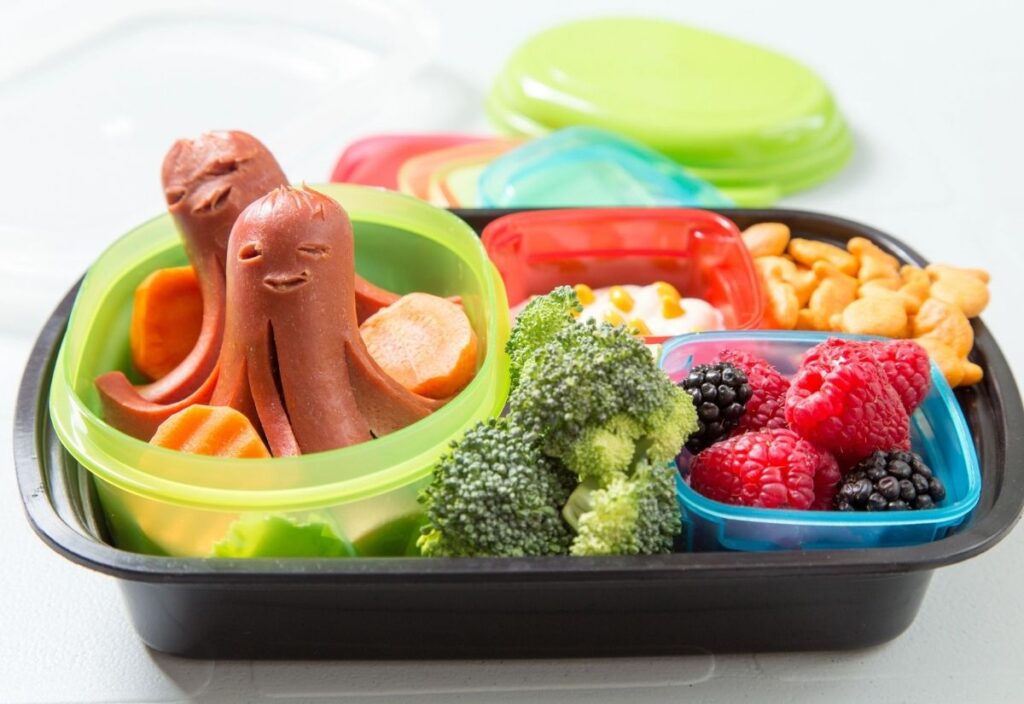
The rise of colorful, bento-style lunches, often packed with ten or more small components, has become a new norm that adds more stress than ease for parents. While visually appealing, this trend can overwhelm kids who have just 20 minutes to eat and are often distracted by the social setting of school lunch. As a result, many return home with half their lunch untouched, not due to dislike, but because the sheer number of components can be overstimulating.
For kids with anxiety or higher nutrient needs, this fragmented style can make it harder to get the calories and nutrition they require. That’s why Russell encourages parents to focus on one solid, meal-type component that centers the lunch and cuts through the chaos. It’s a small, intentional change that can make lunch feel more manageable for both kids and the adults packing it.
Still, even the most thoughtful packing strategy can’t escape the reality of rising grocery costs, which add a different kind of pressure. Food price inflation in the U.S. ticked up to 2.9% in May 2025, up slightly from 2.8% the month before, with food-at-home prices increasing at a faster rate than restaurant meals. This steady rise means every grocery trip demands parents plan more, and with inflation continuing to climb, they are often forced to make tough trade-offs between cost, variety and nutritional value.
Guilt-free lunch hacks
Here’s the part where we take the pressure down a notch. These ideas aren’t about perfect lunches with cutout stars and hand-rolled quinoa wraps; they’re about making lunch-packing easier, more human and sustainable. If you’ve ever stood in front of an open fridge at 7 a.m. with no plan and a half-empty snack drawer, this is for you.
Aim for good enough
It’s easy to think every lunch has to be balanced, colorful and packed with variety, but chasing that ideal every day is a fast track to burnout. What often gets overlooked is that a simple sandwich and a piece of fruit can be just as effective, if not more, at keeping lunchbox stress in check. After all, consistency across the week matters more than obsessing over every food group in a single meal, especially when the alternative is daily frustration and decision fatigue.
Make it personal
Lunch isn’t just fuel; it’s also a moment of connection, especially during a busy school day when kids might need a reminder that someone’s thinking of them. A small sticky note with a smiley face, a familiar snack or even a reusable napkin in their favorite color can turn a simple meal into a comforting touchpoint. That emotional boost can help kids feel seen and supported in a way that often matters more than squeezing in an extra veggie they won’t eat anyway.
Talk it through
The lunchbox is a conversation starter, not a scorecard, and that mindset can shift the entire dynamic of lunch-packing. When kids come home, asking what they ate and what they didn’t opens up a space for honest feedback. Instead of framing it as a correction, think of it as collecting useful clues so you can pack lunches they’ll genuinely enjoy, not just what seems ideal on paper.
Where do we go from here?
Lunchbox guilt mirrors the larger pressures parents face in trying to do it all. Between food trends, rising prices and the emotional weight of school-day nutrition, the stakes around lunch have never felt higher. But small, intentional shifts, like simplifying meals and listening to what kids need, can go a long way. It’s not about making every lunch perfect; it’s about making sure it works in real life.
Zuzana Paar is the creator of Sustainable Life Ideas, a lifestyle blog dedicated to simple, intentional and eco-friendly living. With a global perspective shaped by years abroad, she shares everyday tips, thoughtful routines and creative ways to live more sustainably, without the overwhelm.