
Passover arrives with a burst of spring color, and seder tables are picking up the change. The Jewish holiday centers on the Seder, a structured meal that retells the Exodus story through specific foods and traditions that guide the menu. Within those dietary guidelines, menus bring in greens, fresh herbs and lighter preparations, as kitchens work seasonal ingredients into familiar dishes without losing their place at the table.
This post may contain affiliate link(s). As an Amazon Associate, I earn from qualifying purchases. See Disclosures.
Shoppers keep grocery aisles busy for Passover, stocking up on pantry staples that meet holiday dietary rules. Retail stores respond by giving more visibility to fresh produce and kosher-for-Passover items, expanding seasonal sections and aligning promotions with the holiday period.
Spring produce enters seder menus
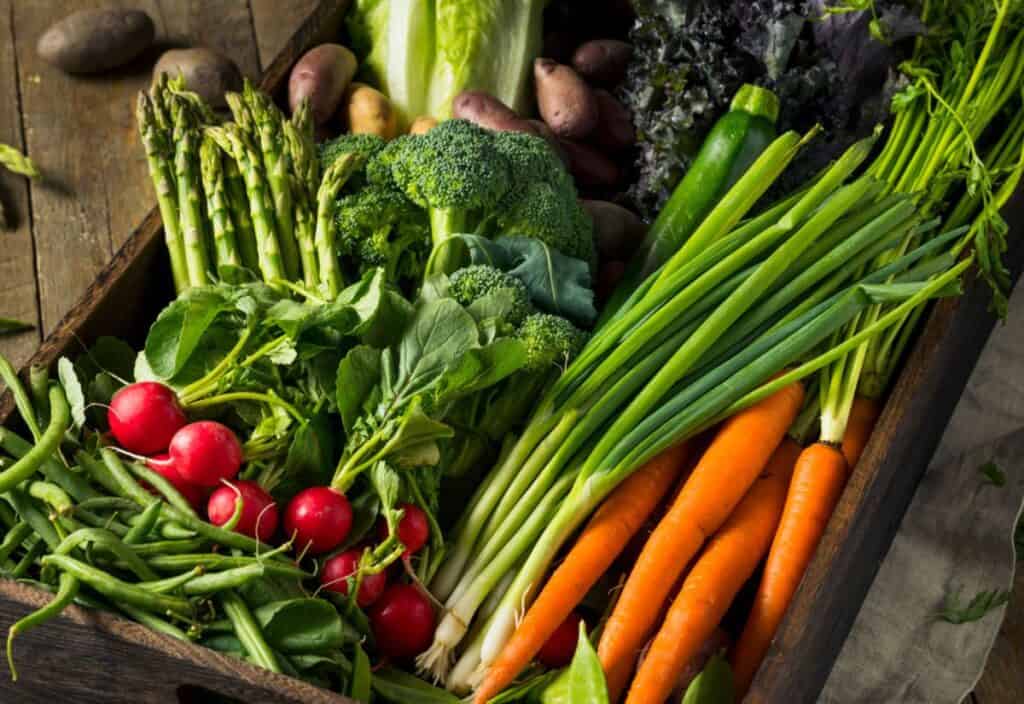
Passover falls in early spring, when vegetables such as asparagus, spinach, and fresh herbs are widely available in U.S. markets. These ingredients often appear as sides or in soups and vegetable-based dishes, adding variety to the meal.
Some greens already hold a defined place in the Seder, with parsley used for karpas and bitter herbs included on the seder plate as required symbolic foods. Other seasonal items, including green onions and leeks, commonly go into cooked dishes, linking the meal to both tradition and the spring harvest.
Matzah, charoset and maror remain essential parts of the Seder, and foods made with leavened grain are not allowed. Recipe changes take place within these limits, which keep the overall meal consistent even as ingredients and cooking methods vary.
Herbs and sauces refresh dishes
Flavor adjustments often come through simple additions that change how dishes taste without altering their foundation. Fresh herbs such as parsley, dill, mint and cilantro appear across many preparations, adding brightness through chopped mixes, light dressings and finishing touches.
Sauces built with olive oil and citrus bring contrast to richer dishes and add sharper notes to the plate. Horseradish also appears in relishes and condiments beyond its traditional role, offering another way to introduce heat. Cooks pair these with proteins such as chicken, fish and lamb to add new layers of flavor while keeping the meal grounded.
Seder menus expand across settings
Passover meals now appear in a wider range of settings, from restaurant dining rooms to catered gatherings and private homes. Food service providers offer holiday menus that accommodate group dining, often structuring meals for shared service or buffet-style formats.
At home, hosts continue to organize meals around the traditional sequence while adjusting portion sizes and presentation for different group sizes. Catering services also support larger gatherings with prepared dishes that meet holiday requirements, allowing hosts to manage multicourse meals more easily.
Retail demand follows seasonal patterns
Many retail stores respond to Passover with dedicated sections that bring together staple items and fresh ingredients used during the holiday. These displays make it easier for shoppers to plan meals without searching across multiple aisles.
Product labels remain a key factor in purchase decisions, helping shoppers quickly identify items suitable for the observance. Stores prepare for this demand each year, stocking inventory based on a set holiday cycle. Convenience also plays a larger role, with many shoppers choosing precut herbs and ready-to-use greens, supported by in-store placement and targeted promotions tied to holiday meals.
Seasonal produce supports tradition
The increased use of seasonal ingredients during Passover aligns with wider consumer shifts toward fresher, more ingredient-driven meals. The holiday shows how long-standing traditions can remain in place while preparation continues to adjust within those boundaries. Continued use of fresh produce in holiday cooking points to the steady integration of seasonal habits into established food practices.
Jennifer Allen is a retired professional chef and long-time writer. Her work appears in dozens of publications, including MSN, Yahoo, The Washington Post and The Seattle Times. These days, she’s busy in the kitchen developing recipes and traveling the world, and you can find all her best creations at Cook What You Love.