
Traveling to Patagonia offers an unparalleled opportunity to explore the rugged and remote beauty at the southern tip of South America, and people are discovering it. According to Las Torres Patagonia, visitors from the United States increased by over 8% in the 2025-2026 travel season compared with the 2024-2025 season. It’s the ultimate adventure for anyone looking to disconnect from modern life and experience a landscape ruled by jagged peaks and ancient ice.
This post may contain affiliate links that may earn us a commission. For more information, see our Disclosures.
Patagonia spans Argentina and Chile, and its vast landscape is largely uninhabited. It’s a place that physically forces you to unplug from your daily routine. There’s virtually no cell coverage once you leave the main towns, so your smartphone quickly becomes nothing more than a camera. In a world where we’re constantly tethered to our screens, this forced digital detox is a major attraction for modern travelers.
Travelers head south
While it takes significant effort to visit, Patagonia is a bucket list destination as part of a broader South American itinerary. Visitors frequently pair a trek through this region with an expedition cruise to Antarctica, an ecological tour of the Galapagos Islands or a journey through Peru to see Machu Picchu.
The trip isn’t a long weekend or even a week-long visit for most tourists. The sheer hours of travel required to reach the destination turn it into a longer two-, three- or even five-week journey. Despite the logistics, more than 140,000 travelers made it to Torres del Paine in 2022, the most recent year for which statistics are available.
Travelers increasingly seek out these untouched vistas to escape the pressures of urban life. This isn’t the trip for everyone, as it generally involves extensive hiking and other physical activity. Still, the area’s wild beauty draws people in and leaves them at a loss for words to describe it.
A long-haul journey to Torres del Paine
You have to put in some serious travel time to get to this remote corner of the world. A flight to Santiago, Chile’s bustling capital, kicks off the trip. From there, you catch a domestic route roughly three hours south to either Punta Arenas or Puerto Natales.
Puerto Natales is closer to Torres del Paine, but the smaller city has fewer flights that tend to be more expensive. Punta Arenas has more flight options and is also the port from which many Antarctic cruises depart, so it’s a common choice. Both cities are worth visiting, so plan to spend a few days there before or after your stint at the nature reserve.
From there, it’s another bus or car ride deep into the national park, with the trek from Punta Arenas lasting around five hours. If you have a driver, ask them to let you know when they spot wildlife and to stop so you can take it in.
The best time to visit
Because Patagonia sits deep in the Southern Hemisphere, its seasons are opposite to those in North America. When the Northern Hemisphere is bundled up for winter, it’s peak summer down in Torres del Paine.
However, summer there doesn’t mean relaxing in a swimsuit. The temperatures may reach 70 degrees Fahrenheit and generally peak around 60 degrees Fahrenheit, but this is when you’ll experience the legendary Patagonian winds, which frequently reach over 100 miles per hour during the warmest months.
The weather is famously unpredictable in all seasons, and locals often note that you can experience all four seasons in a single afternoon. You might start your hike in a T-shirt under a bright sun and find yourself pulling on a heavy waterproof jacket to survive a sudden sleet storm just an hour later.
Because of this, the Patagonian summer is often the most popular time to travel, but it’s also the most crowded, so consider traveling in the shoulder season. March, mid-October and November have a lower likelihood of extreme wind and still have reasonably good weather for hiking and other outdoor activities.
Smart packing and layering aren’t just friendly suggestions but absolute necessities for a safe trip, including appropriate rain gear. Though some of the area is in the Andean desert, rain is common most of the year, and activities continue as long as it is safe. Some trails may require guides after rainy periods, and others may close entirely during high winds.
Explore the wonders of the nature reserve
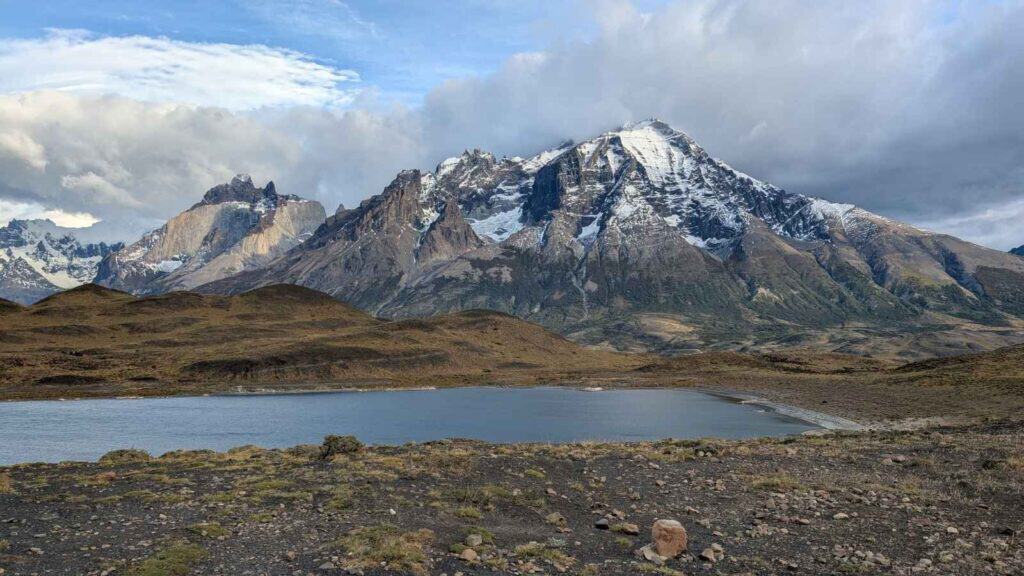
Torres del Paine National Park is a designated UNESCO Biosphere Reserve and is the undeniable crown jewel of Chilean Patagonia. The park is filled with extreme landscapes, featuring everything from lush green valleys to massive ice fields.
Take the time to explore the region’s glaciers as well. You can take boat tours across the freezing water to get up close to Glacier Grey, where massive chunks of ancient blue ice routinely calve off and crash into the lake below. The boats will circle some of the larger icebergs floating nearby so you can see the impact the wind and environment have on them. Other accessible glaciers in the region offer equally stunning views of the sprawling Southern Patagonian Ice Field.
Pay attention everywhere you explore so you don’t miss a single wildlife sighting. Some are more likely in some seasons than others, but you will see animals that simply don’t live outside this region.
As you wander through the area, you’ll likely see herds of guanacos grazing on the golden pampas. These creatures are wild relatives of the llama, and they roam freely across the plains. Keep your eyes peeled for massive Andean condors soaring high above the mountain passes and maybe even an elusive puma if you’re incredibly observant. You may be surprised to learn that there are native flamingos, and that’s just a few of the more common animals in Patagonia.
Choose your ideal base camp
You don’t have to sleep on the cold ground to experience the end of the world. Hotel Las Torres makes a perfect base if you prefer comfortable amenities over pitching a tent in the freezing wind. Located right inside Torres del Paine National Park, it offers warm beds, excellent local food and a ton of guided excursions to make your exploring easier.
However, many visitors prefer a more rugged and immersive experience, such as hiking the famous circuits. There are campsites at each of the refugios, which are designated stops along the routes, and you must book them well in advance.
There are hotels in the area, but none are within the reserve. You’ll need to rent a car or arrange transportation to the various trails and attractions. This adds time to your day, but each has its own fit and feel.
Tackle the famous hiking circuits
Hiking is the lifeblood of Torres del Paine, and there’s a trail for almost every level of ambition and skill. For hardcore trekkers, plan to complete the famous O Circuit. This route takes you around the entire mountain massif and requires about eight days to complete the more than 80-mile route. You have to camp at designated sites along the way and carry your own gear, which requires serious physical stamina and logistical planning.
If you want the highlight reel without committing to over a week in the backcountry, hike the W Circuit. This is by far the most popular option in the park. It takes four to five days to complete and covers more than 37 to almost 50 miles, depending on the specific route and side trails you choose to explore. You hike up three distinct valleys that form the shape of a W on the map, giving you access to glaciers, deep valleys and those iconic mountain peaks. This also requires staying in designated stops each night along the way and booking them in advance.
You can also experience the park’s magic without a multi-day trek. Do a challenging day hike to Mirador Las Torres, which is also known as Base Las Torres. This is a strenuous 8- to 10-hour hike, but it’s designed for a single day as you start early. The trail takes you through dense forests and up a steep boulder moraine before finally revealing a gorgeous glacial lake. From the rocky shoreline, you get a spectacular and unobstructed vista of the famous three granite towers that give the national park its name.
Find your next frontier in Patagonia
Patagonia isn’t a destination you visit just to sit back and relax by a pool. It’s a place that asks something of you physically and mentally, but it rewards you with landscapes and memories you’ll never forget. Spend time riding a horse across the open plains, navigating a boat through icebergs and standing at the base of soaring granite spires, as you use this remote corner of Chile to escape from modern life. Traveling to the end of the world takes effort and planning, but every step on the trail proves that the journey is worth the time, money and effort.
Michelle Price is a food and travel writer at Honest and Truly Travels with an almost empty nest. She loves to provide both the inspiration and the confidence you need to help get you into the kitchen and on the road to enjoy new flavors and experiences.