
Plant-forward menus put produce at the center of the plate, with cooks using technique and layered flavor to build dishes where vegetables lead and proteins play a supporting role. That approach is changing menu construction across kitchens, as expectations around flavor, texture and presentation start with the produce itself.
This post may contain affiliate link(s). As an Amazon Associate, I earn from qualifying purchases. See Disclosures.
About 76% of Americans prefer to use food over prescription medications to support their health, reinforcing a stronger interest in ingredient-driven meals. Health may draw attention, but flavor closes the deal, as cooks pair seasonal produce with bold sauces, proper heat and balanced seasoning that turn vegetables into dishes people return to instead of setting aside.
Spring harvest drives menu choices
Among Americans who turn to food instead of prescription medication, 45% report at least one chronic condition. Within that group, 73% prefer to rely on food as much as possible, while 82% without a condition say the same. At the same time, taste leads decisions for 83% of Americans, while about half place equal weight on health. These priorities lead many kitchens to focus on ingredients that feel fresh, flavorful and timely.
Seasonal supply directly influences menu planning, with kitchens building dishes around peak produce to guide flavor and presentation. Asparagus, peas and radishes take a larger role in many dishes, supported by grains and light sauces that complete the plate.
Proteins appear in smaller portions and act as a supporting element, keeping vegetables central while allowing menus to adjust with the season. Presentation relies on color contrast, precise cuts and cooking methods to define the final look and maintain balance.
Savory flavors without meat
Kitchens develop depth in vegetable dishes by starting with strong flavor bases. Mushrooms, onions and garlic form the foundation, with slow cooking drawing out natural richness and setting up the rest of the dish. Fermented ingredients, such as miso, kimchi and pickled vegetables, add concentrated flavor and sharpness that carry through sauces and sides without overpowering the dish.
Cooking techniques also contribute to flavor development, with browning at higher temperatures creating a deeper taste, especially in vegetables. Cooks add herbs and spices in stages, building complexity across the dish. As liquids reduce, sauces thicken and coat ingredients evenly, giving vegetable-based dishes a full savory profile.
High heat enhances vegetable flavor
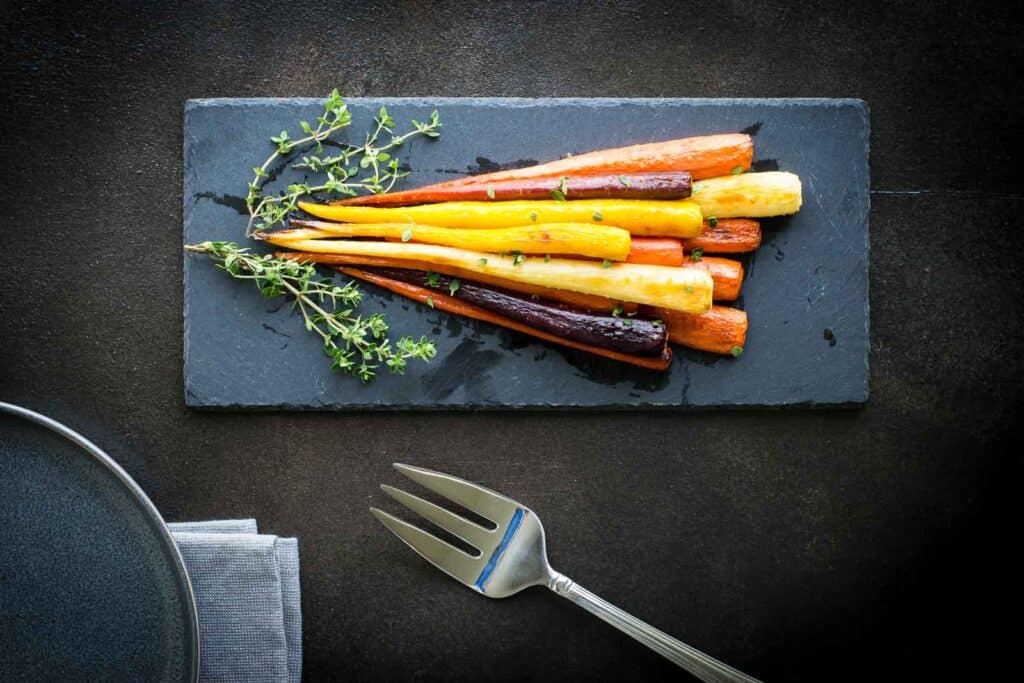
Cooking at high temperatures brings out deeper flavor and a more pronounced surface in plant-based ingredients. Roasting creates caramelized edges and a richer taste in carrots, cauliflower and squash without relying on added elements, while grilling introduces char and light smoke through direct contact with heat. These effects give vegetables a stronger visual and flavor presence, especially in menus where they serve as the main feature.
As moisture cooks off, flavor becomes more concentrated, and the surface tightens. Techniques such as blistering and searing produce crisp edges in mushrooms and zucchini, adding contrast that carries through the entire portion.
Layered textures for vegetable-based meals
Crisp elements such as toasted grains or nuts contrast with softer components, creating variation in each bite and replacing the structure that meat often provides. Combining raw and cooked ingredients adds variety, with fresh cuts bringing bite and roasted or sautéed items providing a tender base. This balance keeps the plate from feeling one-note without adding weight. Finishes also matter, with crunchy toppings layered over softer elements and larger cuts or thicker slices adding a more substantial feel.
Slow cooking builds hearty meals
Longer cooking methods develop deeper flavor and softer textures that still hold their form. Braising breaks down dense vegetables such as fennel, leeks and root crops, allowing them to absorb liquid while becoming tender.
Cooking slowly in oil offers another option, as confit-style preparation locks in moisture and adds richness for a smooth, consistent result. Stews develop flavor through steady heat, allowing vegetables to absorb garlic, herbs and spices and distribute seasoning evenly.
Spring abundance resets menu preferences
When vegetables arrive in volume during seasons such as spring, they stop feeling like a limited option and start dominating menus through sheer variety. That exposure can gradually reset expectations, with diners choosing vegetable-led dishes first because they offer the widest range of flavors at that moment. Over time, this shift could lead to vegetables becoming the first point of interest, even for those who do not follow plant-based diets.
Mandy Applegate is the creator behind Splash of Taste and seven other high-profile food and travel blogs. She’s also the co-founder of Food Drink Life Inc., a unique and highly rewarding collaborative blogger project. Her articles appear frequently on major online news sites, and she always has her eyes open to spot the next big trend.