
Hosts and guests keep disagreeing about cookout rules that neither side ever said out loud, and the grill almost never has anything to do with it. The friction sits in who supplies the meat, who gets to bring an extra person and whose kids are circling too close to the fire. Nobody settles that going in, so everyone finds out in front of the whole backyard.
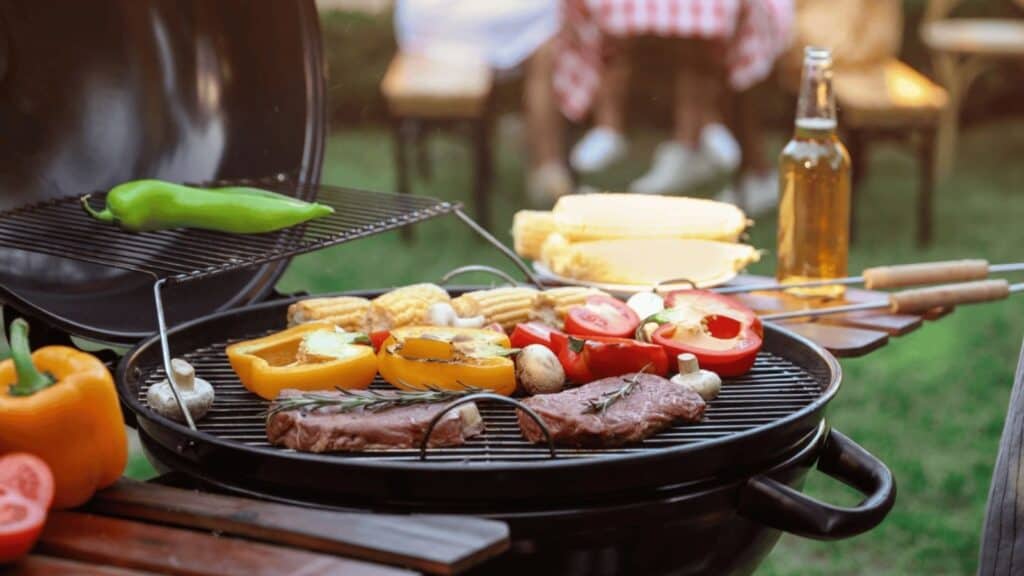
Cookouts skip the dress code, the seating chart and the formal invitation. Every guest walks in carrying whatever version of normal their own family practiced, and higher grocery prices make those differences harder to ignore this year.
Grilling season runs for months rather than a single Saturday, which is why the same arguments come back. Americans plan to host four cookouts and attend five every summer, and most say grilling season is their favorite time of year. One awkward moment gets shrugged off, but a whole season of them looks like a pattern.
Who’s actually bringing the meat
Cookouts run on an informal split of labor, and the group text sorts it out fast. The host covers the grill and the sides, and the guests figure out the protein. The arrangement sounds generous right until someone brings a small tray of smoked garlic parmesan wings for a dozen people.
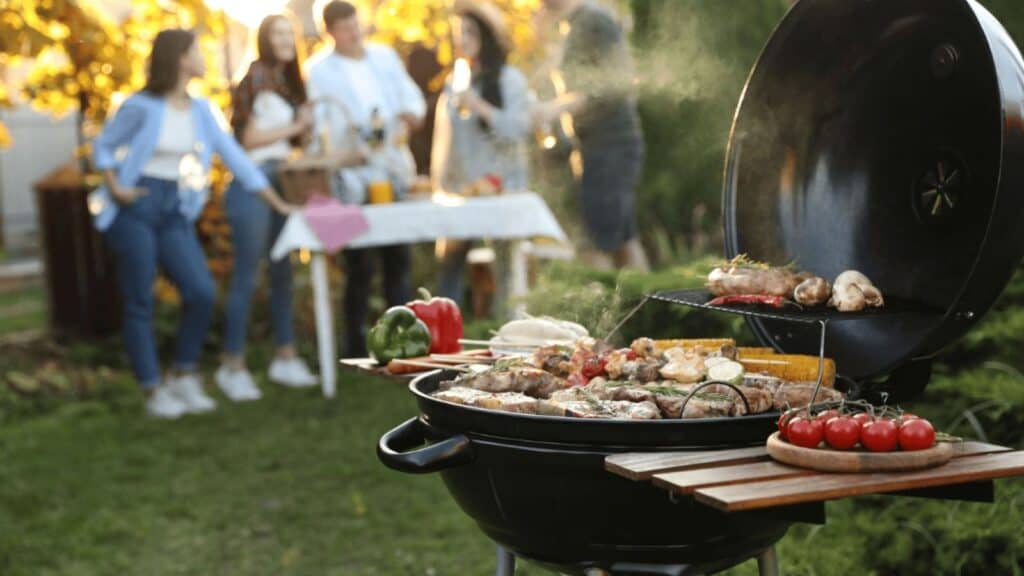
Cost explains most of that tension. Among Americans with summer hosting plans, 34% expect guests to bring their own food rather than supply everything themselves, even though plenty of guests still treat showing up empty-handed as a cookout sin.
The rule hosts name most often
A guest list feels settled the moment it goes out, right until the doorbell rings one extra time. The host runs the math instantly, counting one more chair, one more burger and one more round of introductions.
One rule outranks every other complaint hosts have. More than two-thirds name no uninvited guests as their top unwritten rule, and that answer holds steady regardless of age or background.
What nobody says out loud
Every cookout hits a moment when children play too close to the grill, and every adult within earshot quietly decides whether stepping in is their place. Parents assume the group has an eye on their kids, while everyone else assumes the parents do.
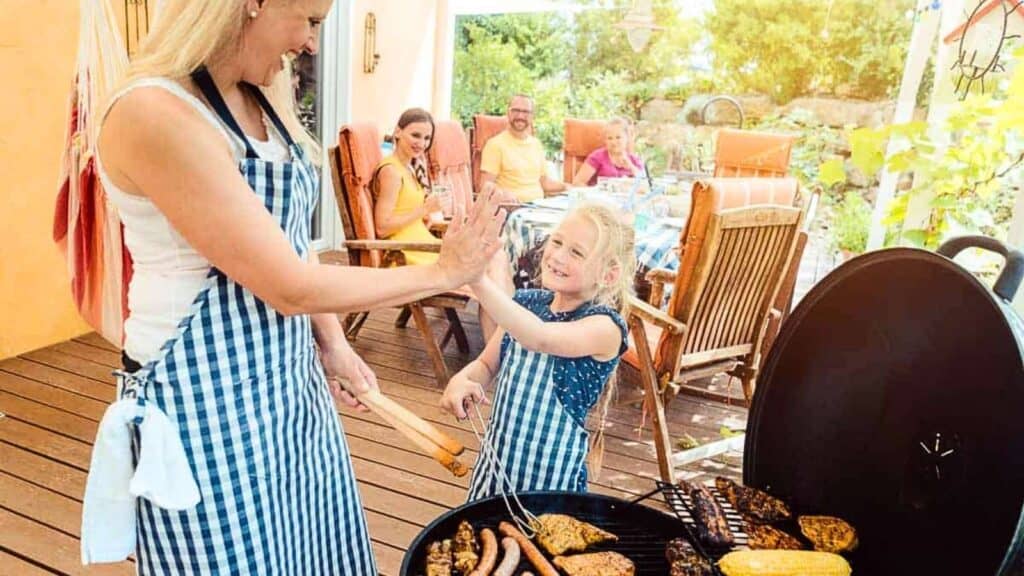
Guests with a food allergy often say nothing at all, picking around a dish instead of asking what went into it. Research on food allergy-related social anxiety in kids and teens has found that many worry about being seen as difficult, which discourages speaking up.
Money turns these quiet disagreements into open ones. Younger hosts are far more likely to expect cleanup to be a shared job, while older hosts expect that help far less, two different ideas about the same job.
The fix costs nothing and takes a minute. Dividing the menu before anyone shops does most of the work, with one guest on drinks and another on a familiar side like Southern potato salad. A group text a few days out settles more cookout arguments than any etiquette rule has.
Jennifer Allen is a retired professional chef and long-time writer. Her work appears in dozens of publications, including MSN, Yahoo, The Washington Post and The Seattle Times. These days, she’s busy in the kitchen developing recipes and traveling the world, and you can find all her best creations at Cook What You Love.